
Indonesia is the world’s largest archipelago, counting over 17,000 islands. Many of these are idyllic, uninhabited and extremely remote. This 10-day trip stays on well-travelled roads, exploring the main island of Java before continuing to Bali.
10-Day Itinerary in Java & Bali
- Day 1: Arrival in Jakarta, Java
- Day 2: Jakarta to Yogyakarta
- Day 3: Yogyakarta
- Day 4: Yogyakarta
- Day 5: Kuta, Bali
- Day 6: Lovina
- Day 7: Lovina to Ubud
- Day 8: Ubud
- Day 9: Mount Batur
- Day 10: Return Flight
Day 1: Arrival in Jakarta, Java
Jakarta’s airport is the country’s main hub for international flights. Several Southeast Asian airlines offer low-cost domestic flights to continue the journey. Before flying on to Yogyakarta, you’ll likely stay a night in the capital. If Jakarta is your first stop in Asia, it might not be love at first sight. The Jewel of Asia in the 16th century is faced with extreme pollution and poverty nowadays.
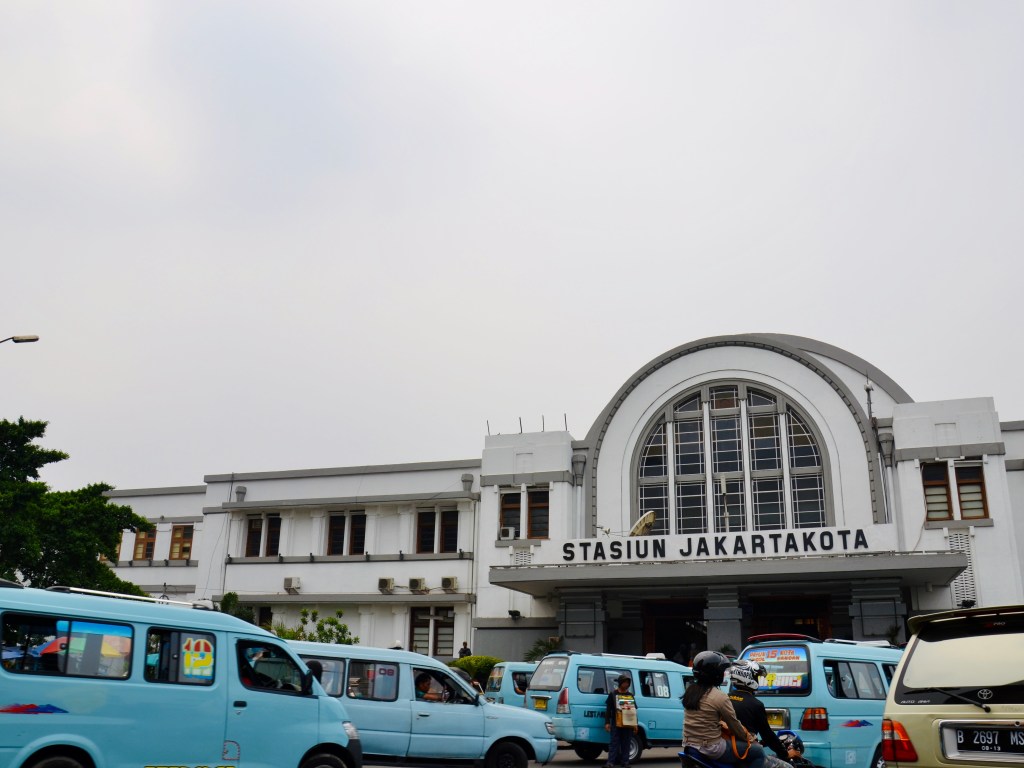
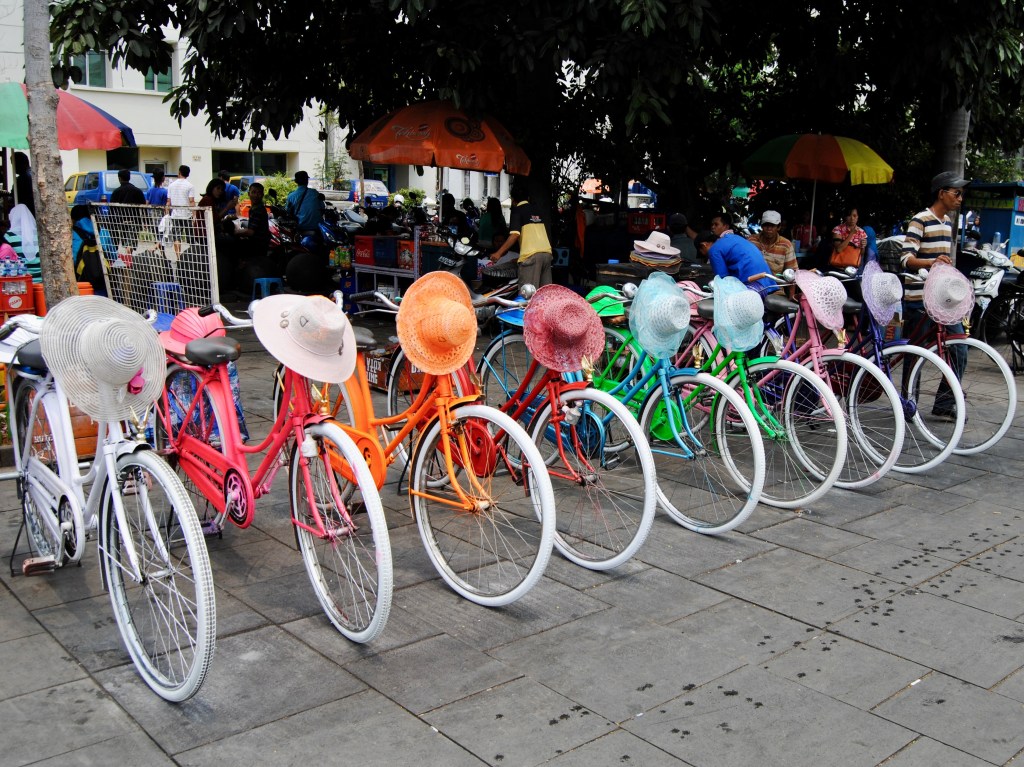
With limited time to spare, explore the capital’s Old Town. Jakarta was called Batavia for more than 300 years, serving as the capital of the Dutch East Indies colony. The Kota Tua neighborhood comprises what is left of Old Batavia. Revel in old-world elegance at Café Batavia, housed in a historic building on Fatahillah Square. The walls are decorated with the many famous guests who visited in the past.
Day 2: Jakarta to Yogyakarta
Catch a flight to Yogyakarta in Central Java. As the cultural heart of Indonesia, Jogja is primarily visited by domestic and regional tourists. This translates to very friendly accommodation prices from an international perspective. Whether it’s a boutique hotel, chic resort or lavish villa, your choice would fall into the budget-category in most parts of the world.
After settling in, head to Via Via Café Jogja to map out your stay in the city. As a travel café, they offer a variety of tours and courses with local guides. The onsite restaurant serves delicious local and international cuisine. It was our base and happy place while staying in Yogyakarta. After two months in Singapore, we could finally indulge in wine and western food that didn’t cost an arm and a leg.

Day 3: Yogyakarta
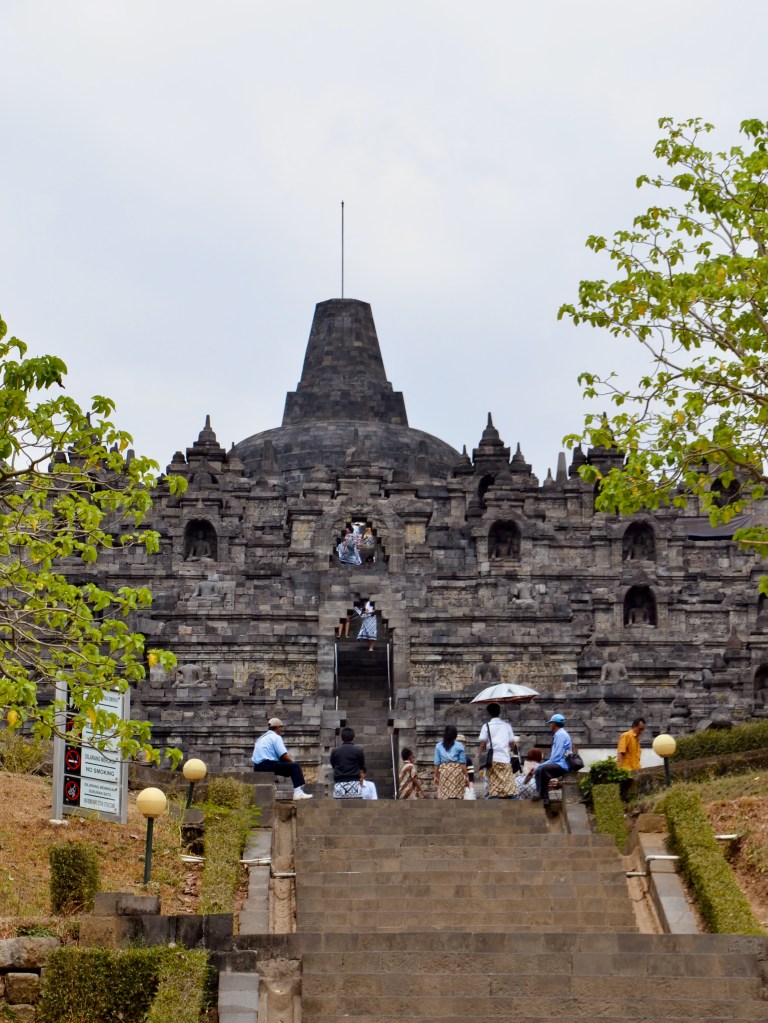
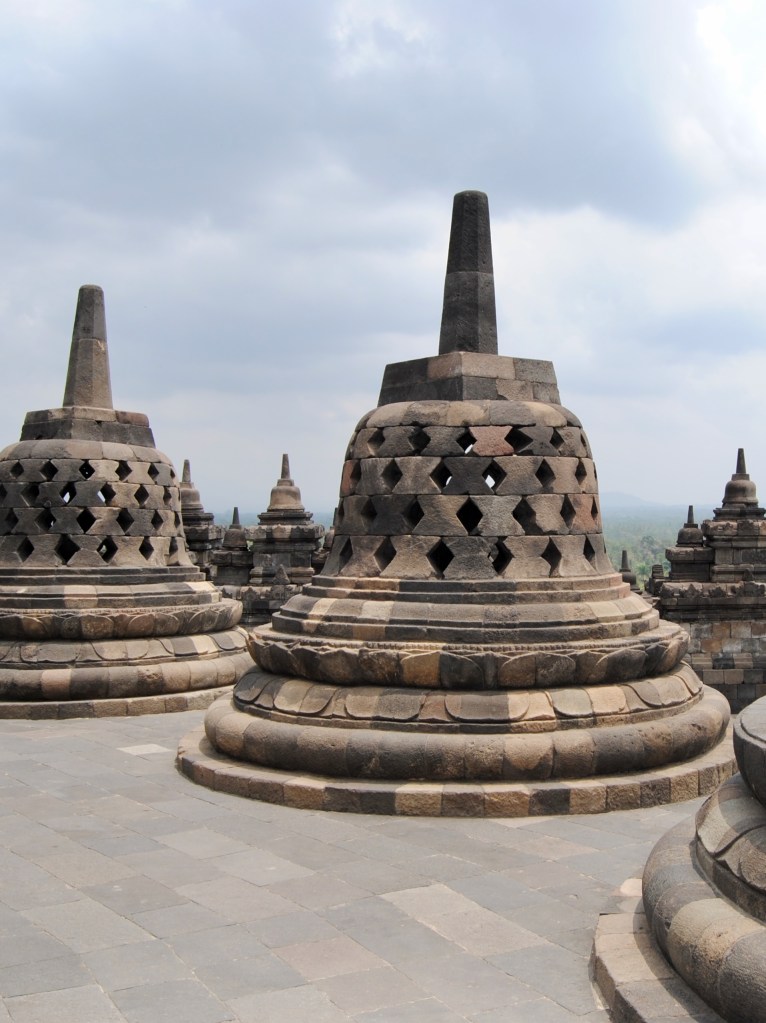
Start discovering Yogyakarta’s cultural heritage by visiting the largest buddhist temple in the world. The impressive Borobudur Temple Compound dates back to the 8th century and is Indonesia’s most visited site. In order to get there, you can book a taxi through your hotel or the ViaVia Café. The drive takes 90 minutes each way and costs around $35 USD roundtrip.

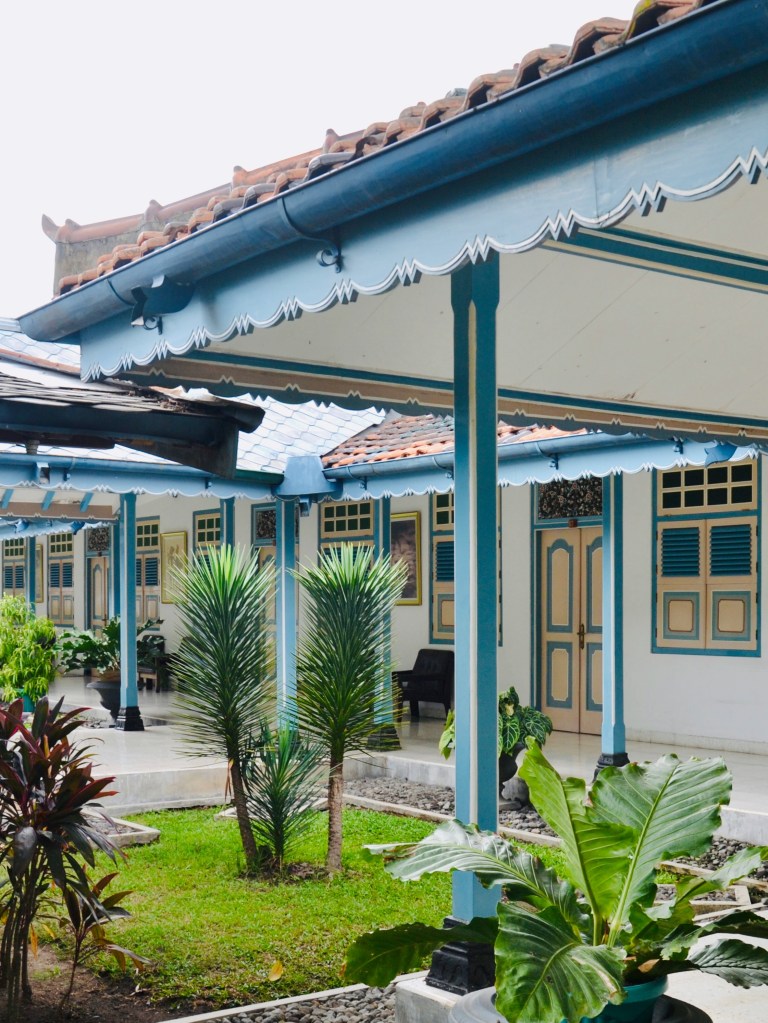
In the afternoon, set out to explore the city. You can walk or hop on a bicycle taxi, known as becak. All roads lead to the Kraton, the royal palace complex that covers an entire square kilometer. It was built over 200 years ago to represent and honor Javanese culture. As a cultural hub, Yogyakarta is also well known for traditional arts and crafts. Bring your bargaining skills to the lively Malioboro Street and Beringharjo Market.

Day 4: Yogyakarta
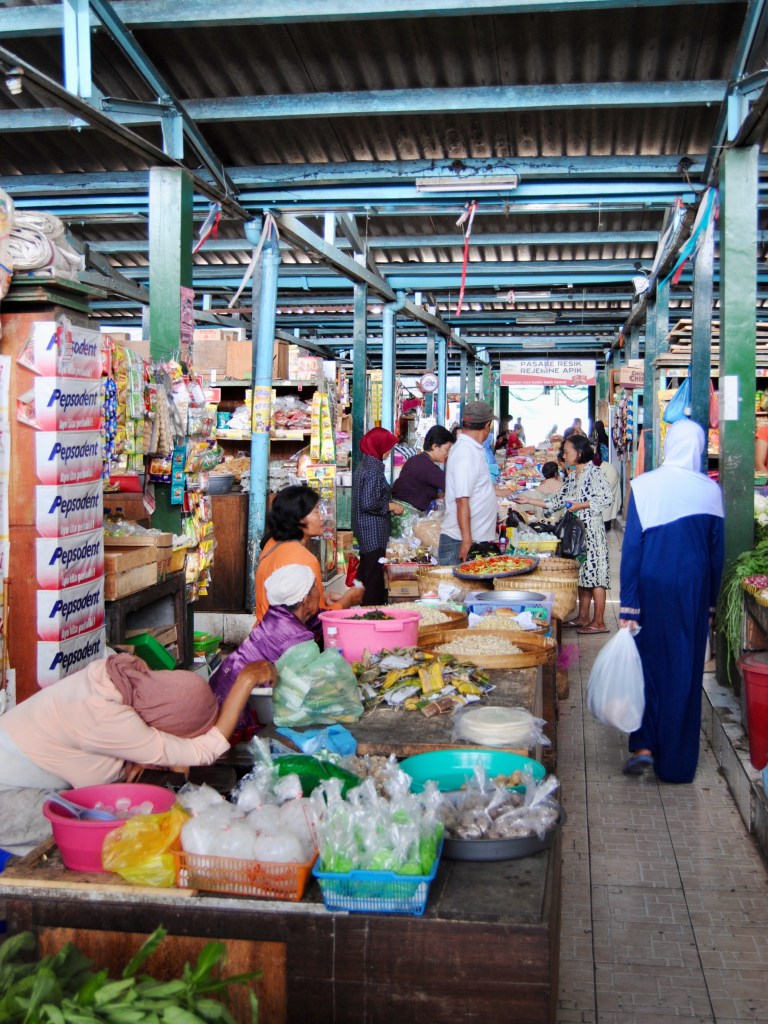
Dive into Indonesia’s colorful cuisine with a cooking course. The morning course at Via Via Café starts with a visit to the local market, to purchase ingredients and learn all about Indonesia’s produce and spices. Guided by a local cook, you’ll prepare a delicious Indonesian feast for lunch.
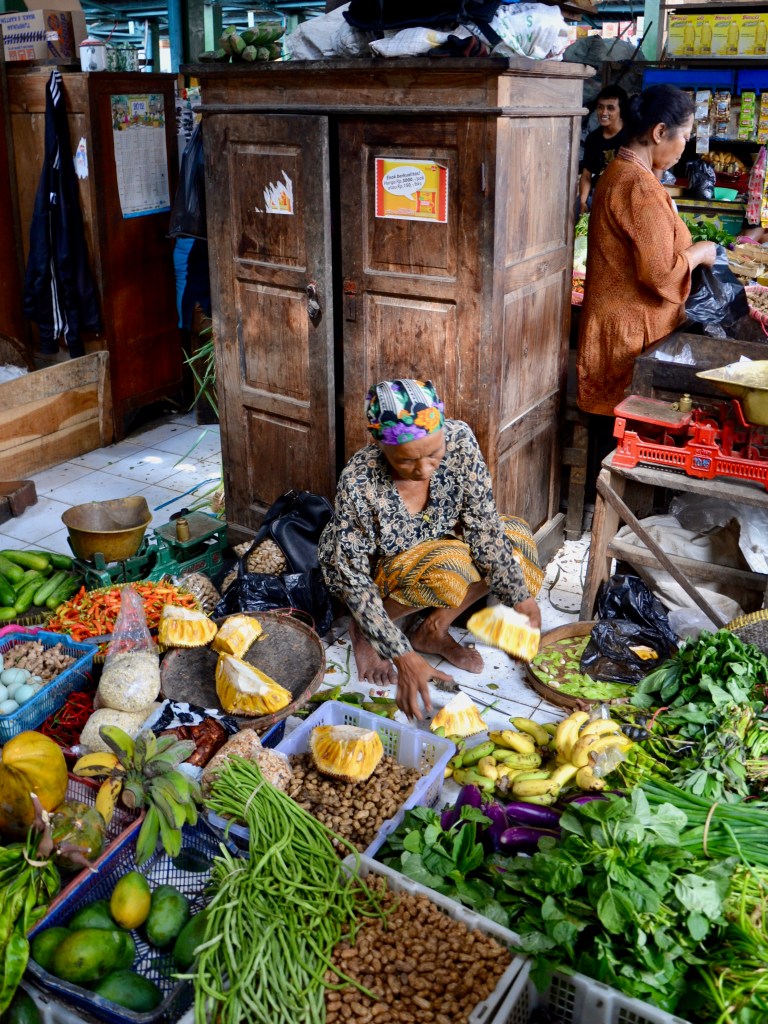

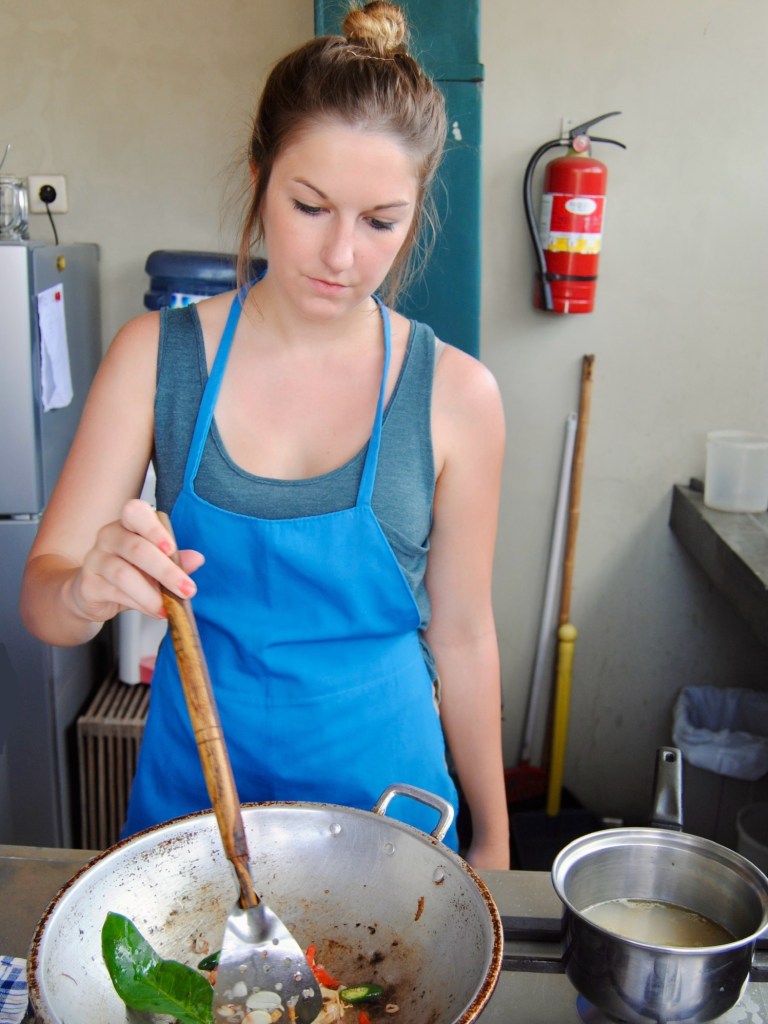
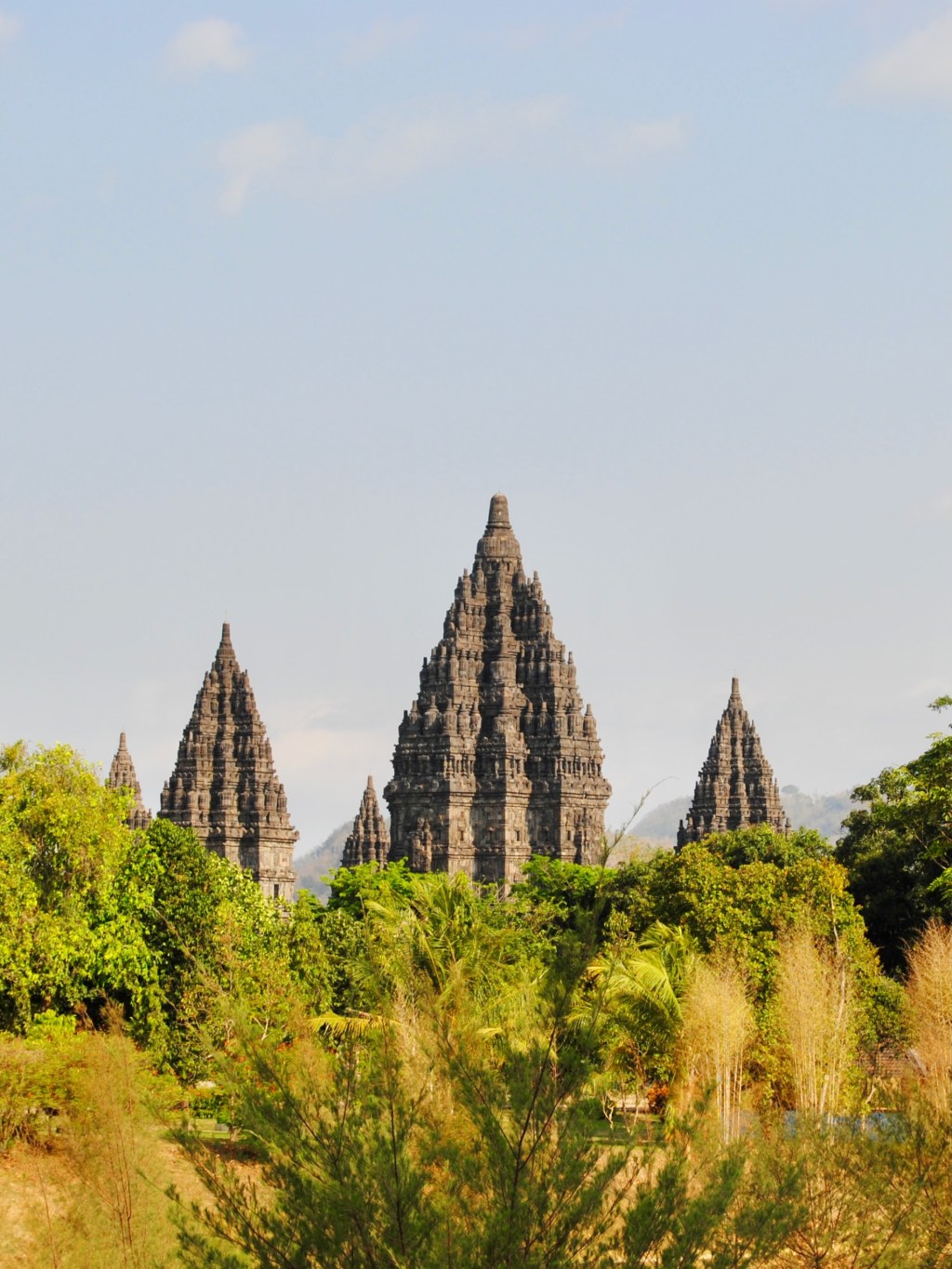
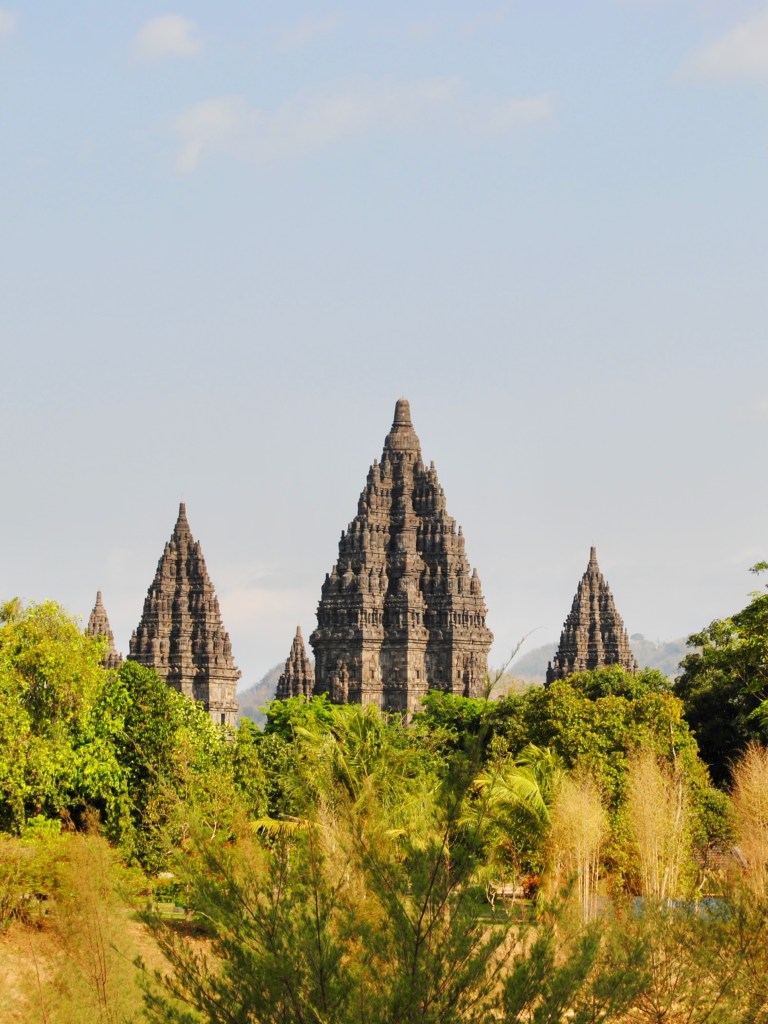
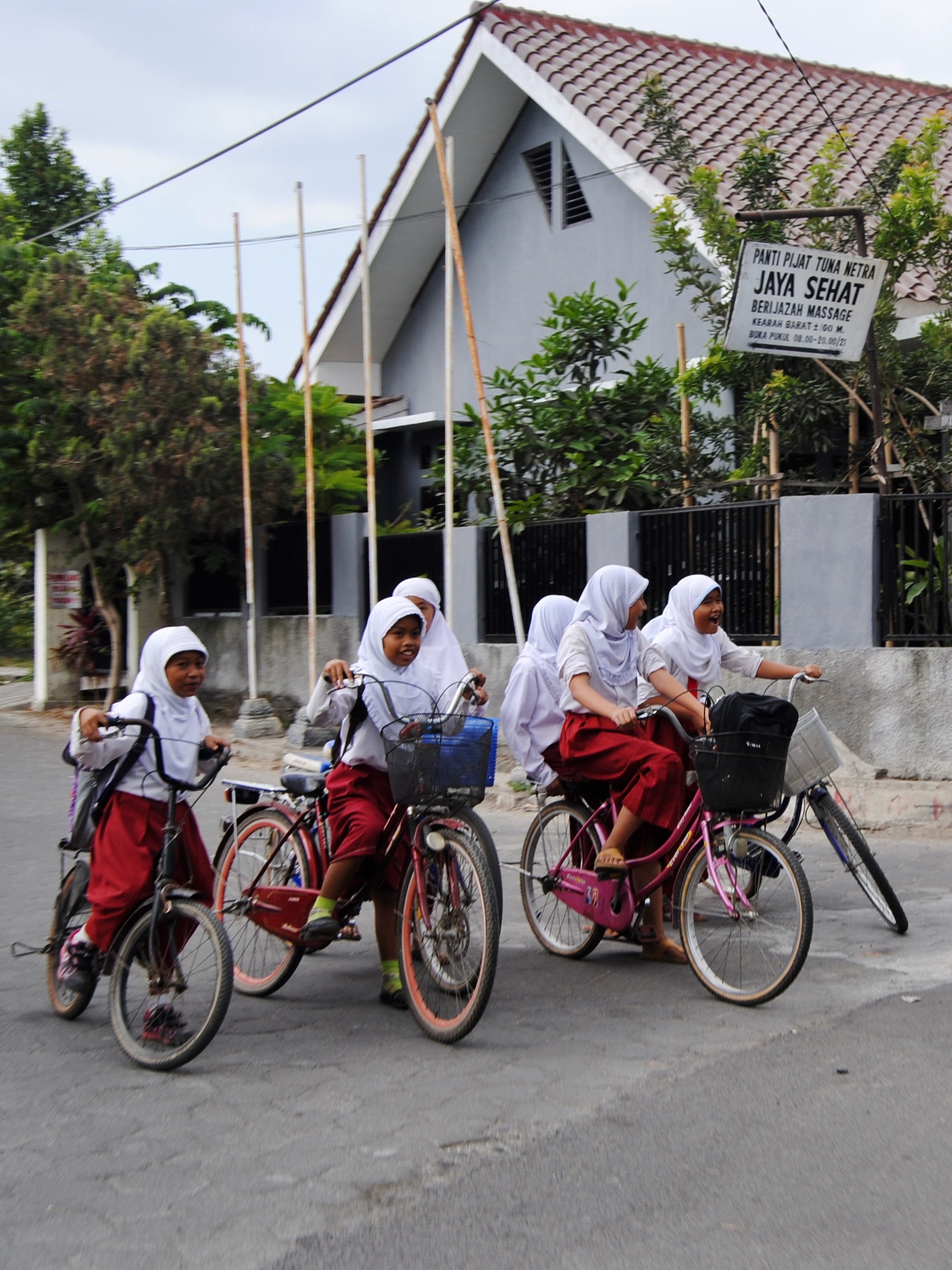
After enjoying the fruits of your labor, hop on the back of a motorcycle to visit another Yogyakarta marvel. The local guides take you past countryside scenery and rural villages to Prambanan, the second largest Hindu temple in the world – after Angkor Wat. The site counted a whopping 240 temples upon completion, but little was left of it ten centuries later. The majestic inner zone with eight main temples has been restored in all its glory.


Day 5: Kuta, Bali
The island of Bali is Java’s neighbor on the east. A short flight will land you in Kuta, a resort town buzzing with tourist activity and nightlife. If that doesn’t sound appealing, escape to the peaceful surroundings. Following an initiation on the back of a motorcycle, we scaled up the adventure-level and rented our own.

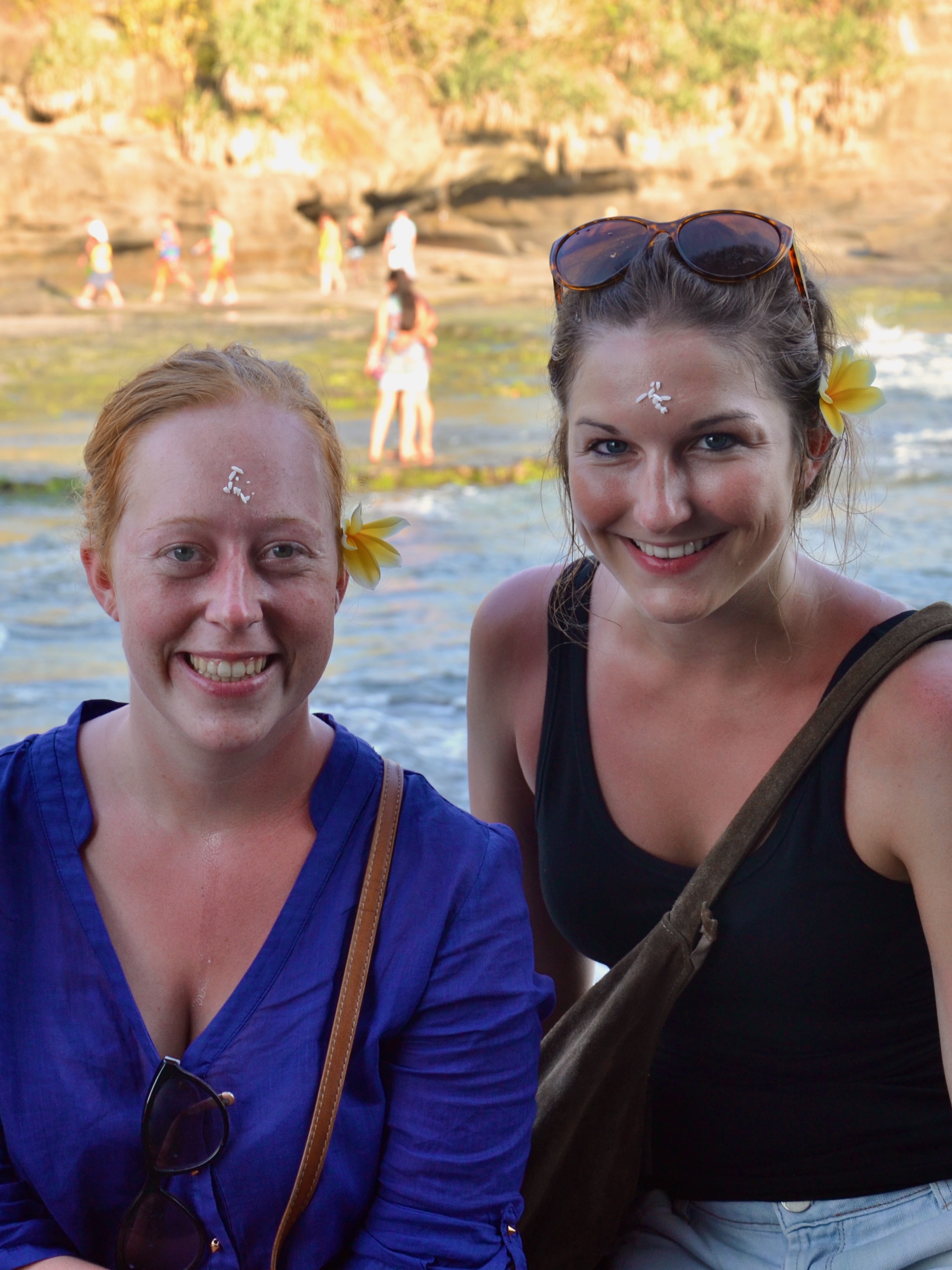
Destination is Tanah Lot, the first of many Bali temples to follow. It is located 20 kilometers from Kuta, on a rocky island off the coast. Even though tourists are not allowed in the main temple, you can receive a blessing by a Hindu priest at the entrance.
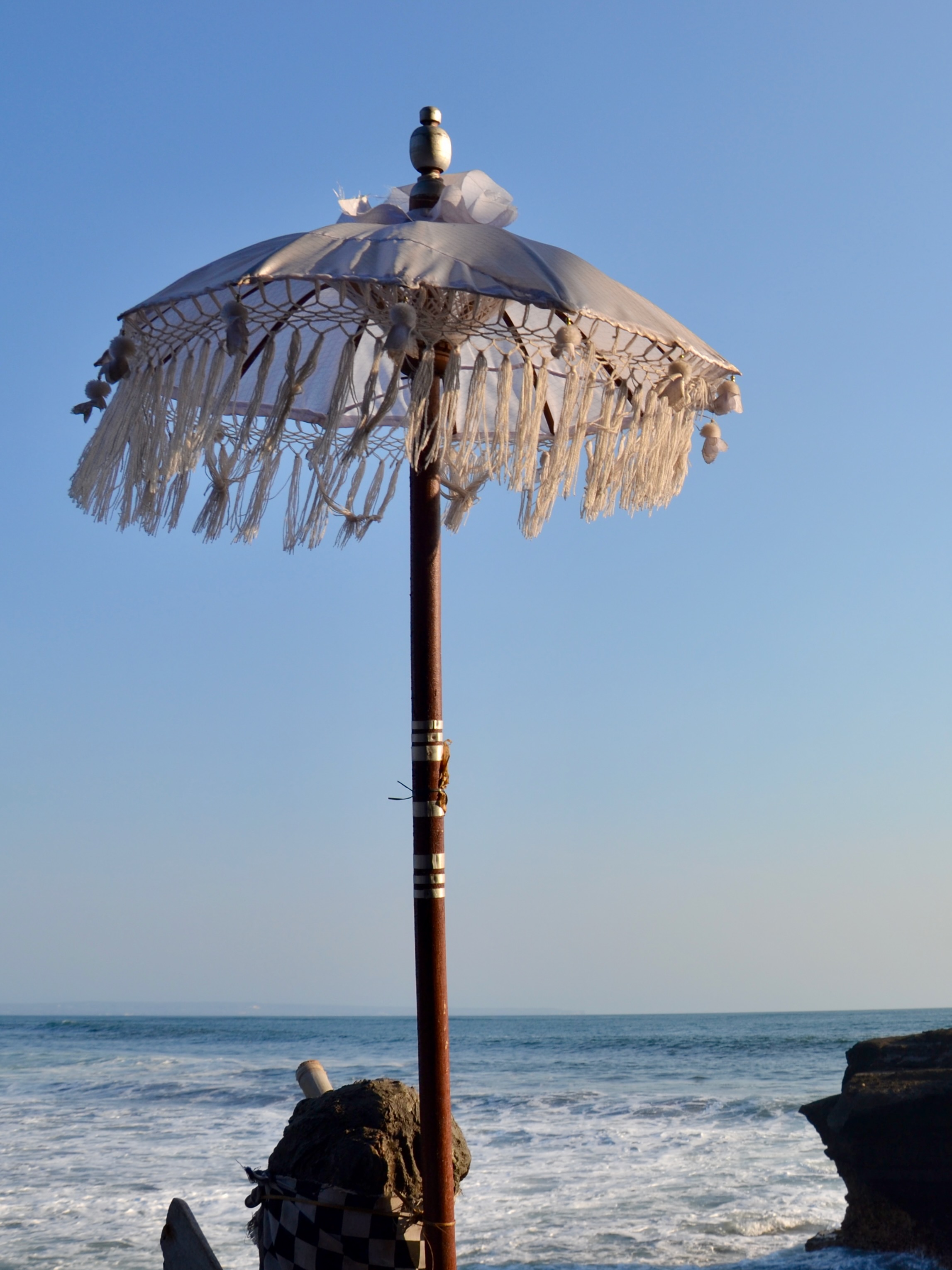
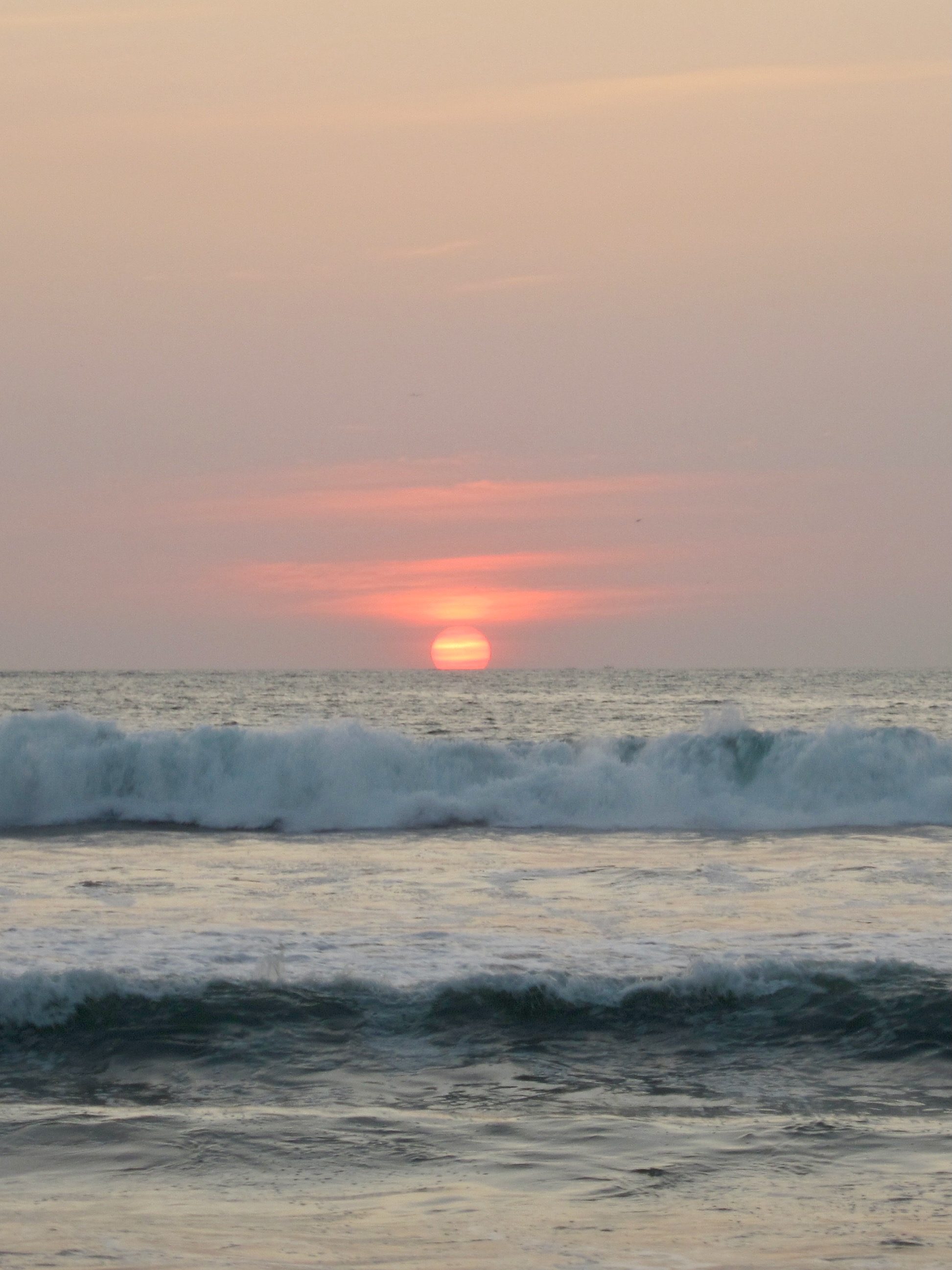
Head to Kuta Beach around sunset to get a taste of the action. Local vendors roam the beach to sell food, drinks, souvenirs and even spa-treatments. Enjoying a pedicure on the beach with a cold Bintang and sunset views, Kuta’s rowdy streets seemed far away.

Day 6: Lovina
On the opposite side of the island lies Lovina, a sleepy fishing village known for black sand beaches and dolphins. Cross the island using private transport, so you can ask for a stop halfway at Pura Ulun Danu Beratan. This Hindu temple on Lake Beratan might be Bali’s most photographed pura. It’s easy to understand why if you travel on a clear day, when the temple reflects in the lake surrounded by mountains.

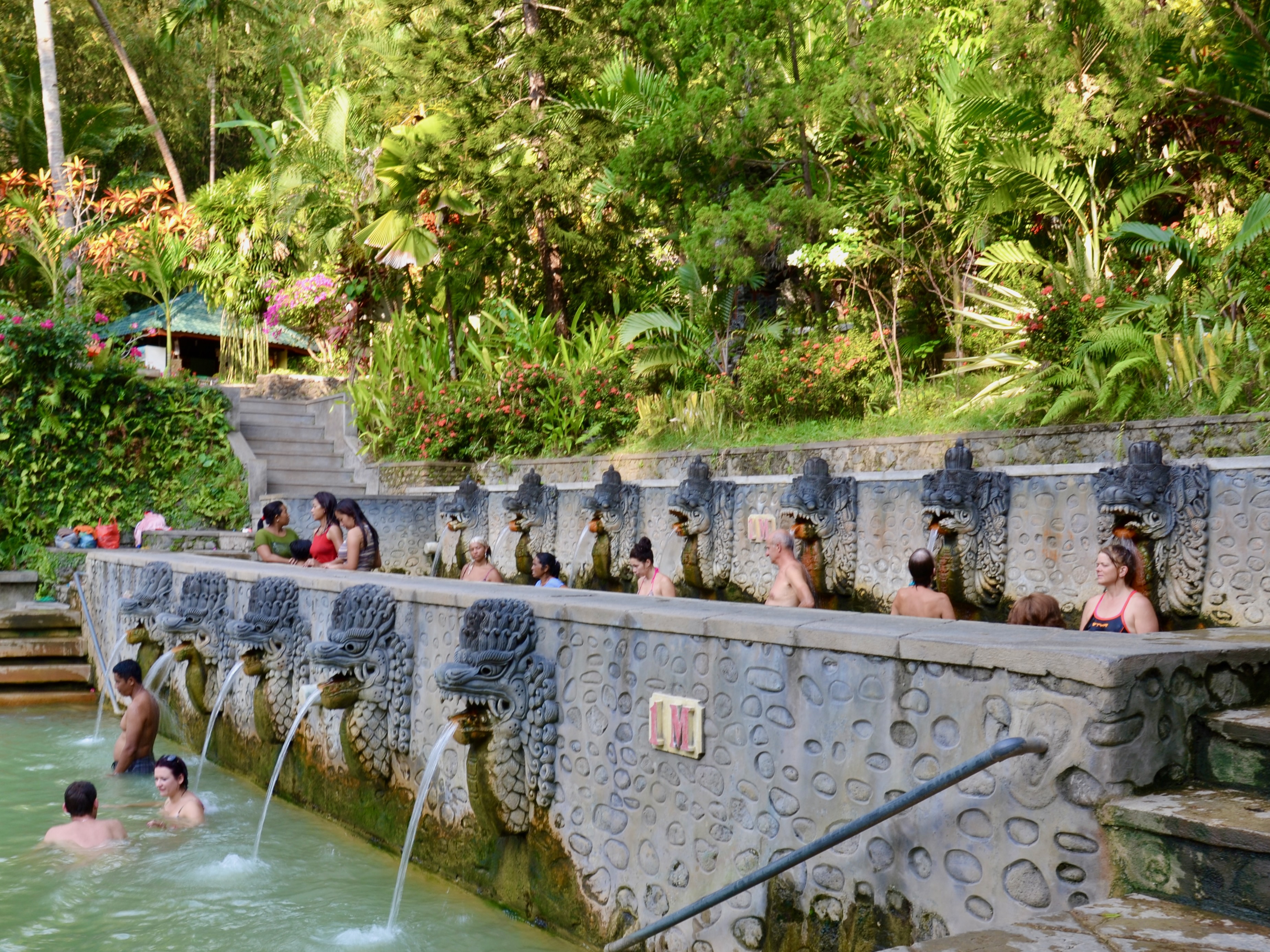
Spend the afternoon relaxing at Banjar Hot Springs, just a short drive from Lovina. The beautiful hot springs are surrounded by lush jungle, with hot and healing waters spouting from dragon heads.

Day 7: Lovina to Ubud
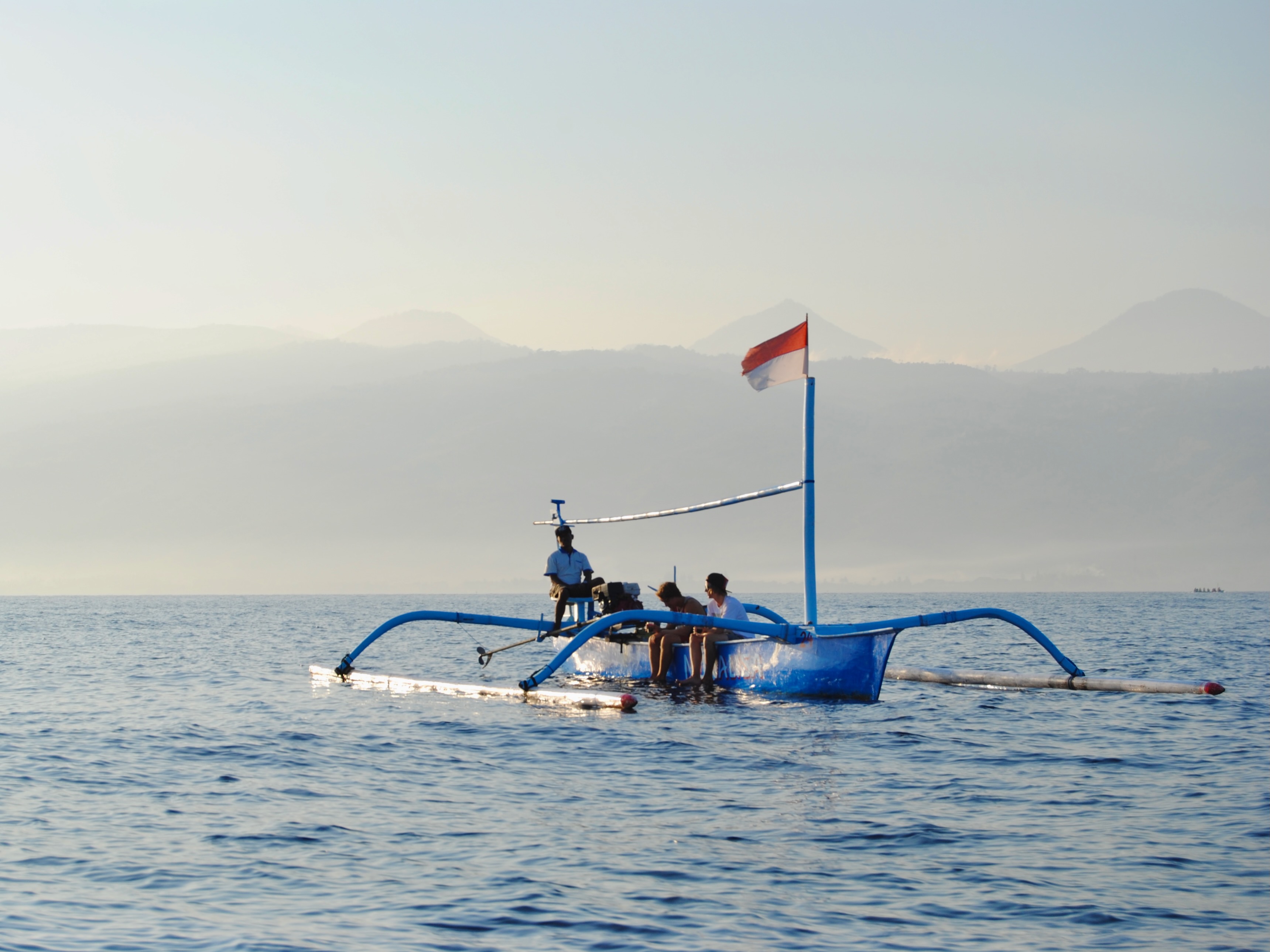
Rise early to get up close with Lovina’s large pods of bottlenose dolphins. Tours by outrigger fishing boats leave at 6 AM to be on the water by sunrise, when dolphins migrate to feeding grounds. The dolphin watching can be combined with snorkeling on the reefs in front of Lovina Beach. Enjoy lunch on the black sand beach before continuing to the next destination.

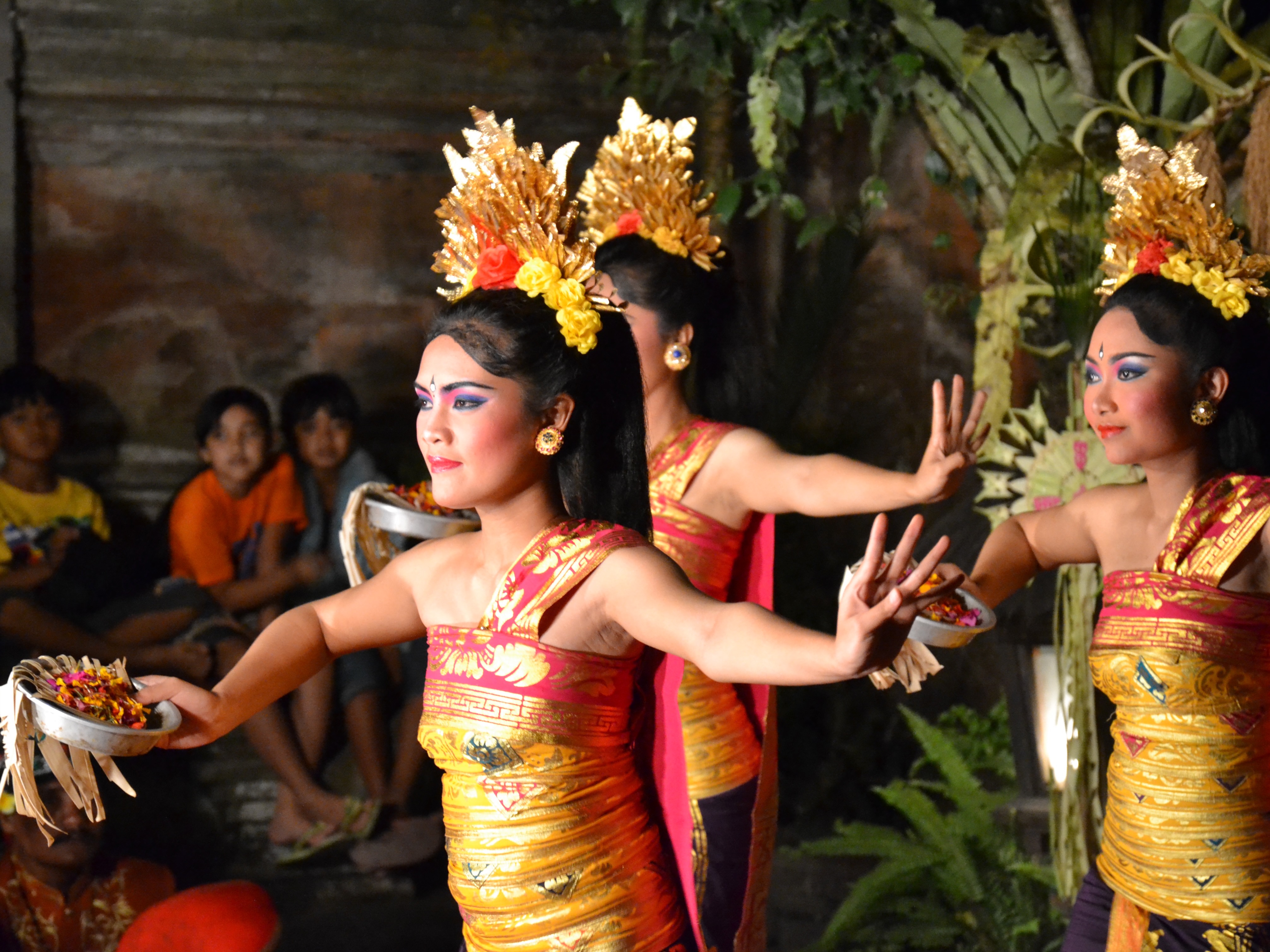
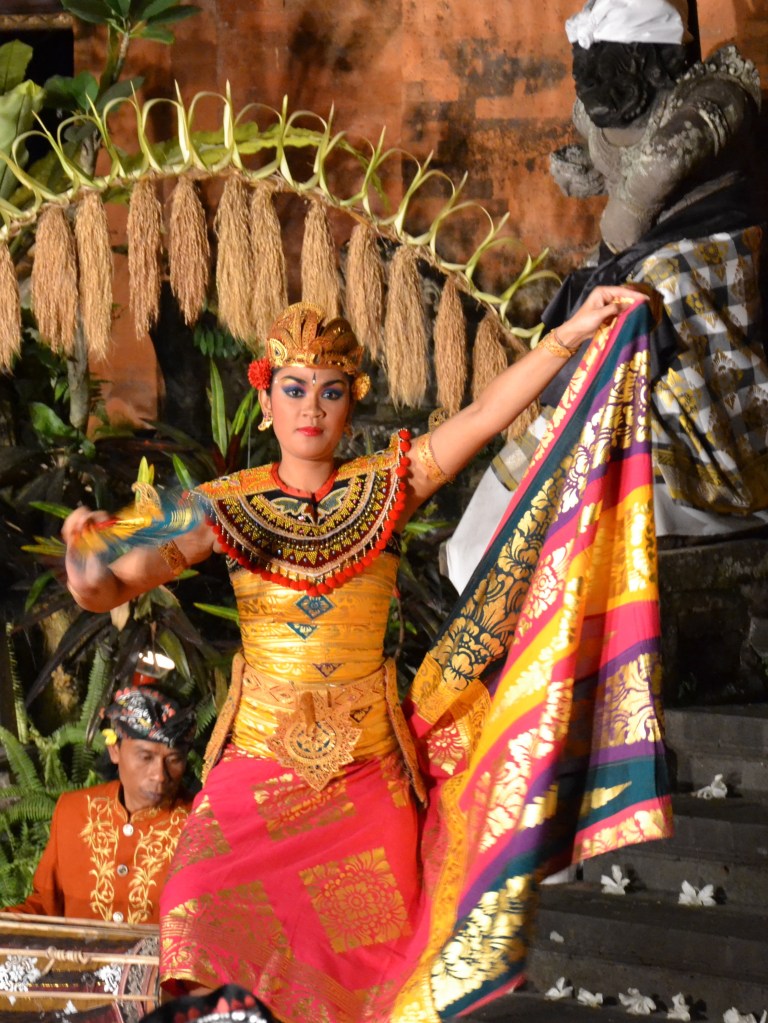
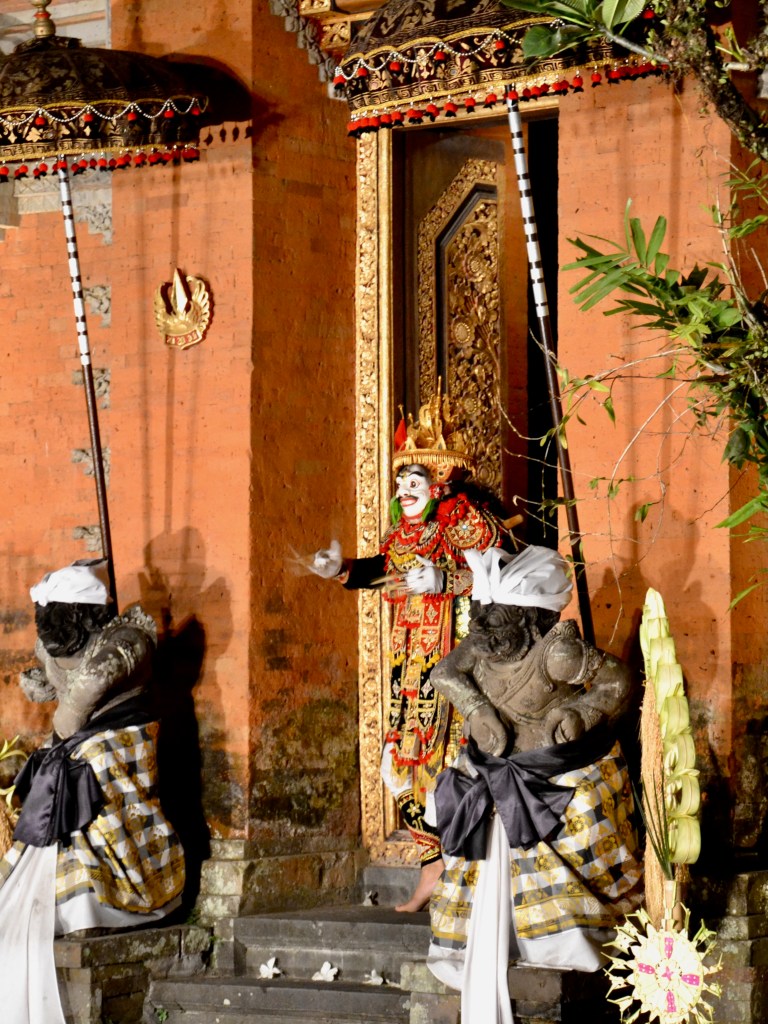
Ubud is Bali’s cultural capital in the midst of beautiful terraced rice fields. A visit to Bali wouldn’t be complete without a stop in this iconic town. Shifting through Ubud’s gorgeous accommodation options for all budgets, you’ll start planning a trip in no time. After settling in to your Ubud abode, head into town for an early dinner. The historic Ubud Palace offers a traditional Balinese Legong Dance Show every night at 7:30 PM.
Day 8: Ubud
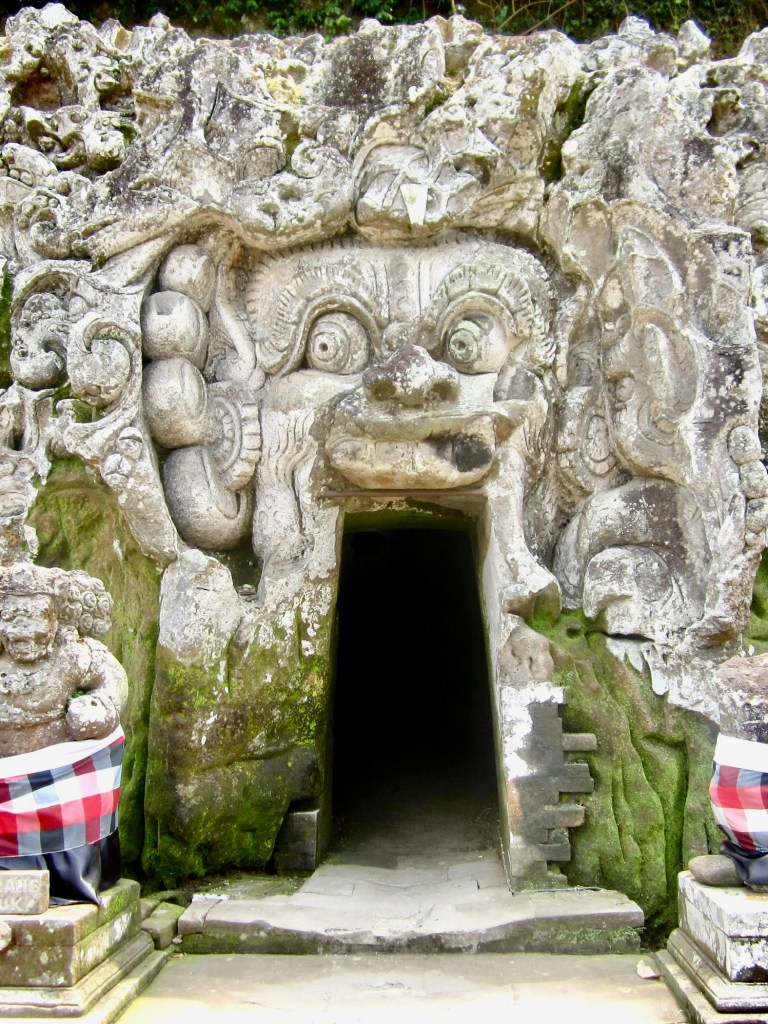
Prepare to switch in and out of sarongs numerous times today. Ubud is surrounded by Hindu temples, best explored with a private driver or by renting a motorcycle. Start at Goa Gajah Temple near the center of Ubud, where a menacing face gives way to a garden of eden.

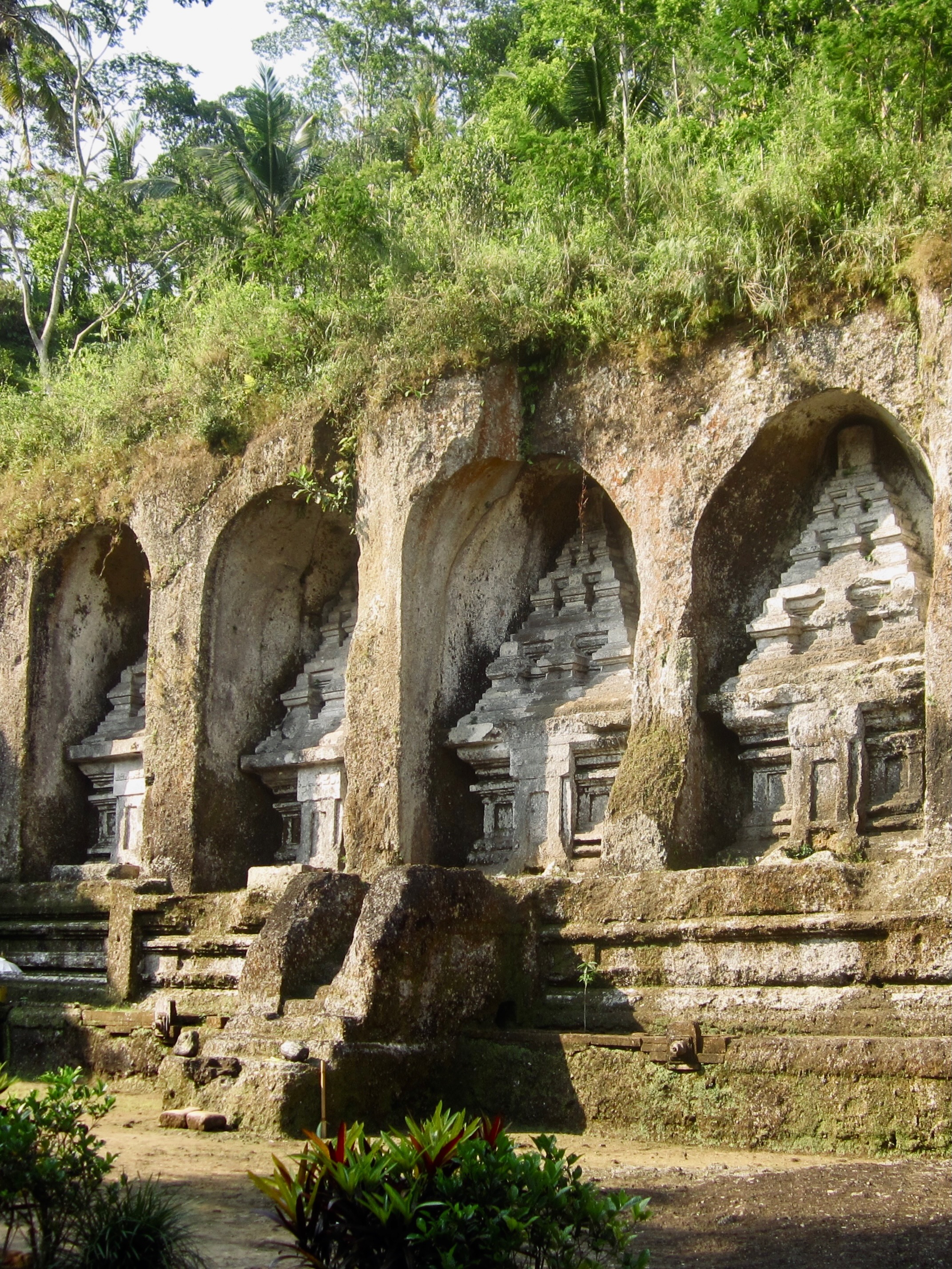
The next two temples are located right next to each other. Pura Tirta Empul draws worshippers for its holy springs. You can take a fully-clothed dip in one of the pools as part of a purification ritual. Just down the road, Gunung Kawi Tampaksiring is made up of ten giant shrines cut out of rock. A scenic descent through terraced rice fields leads to this mystical complex.

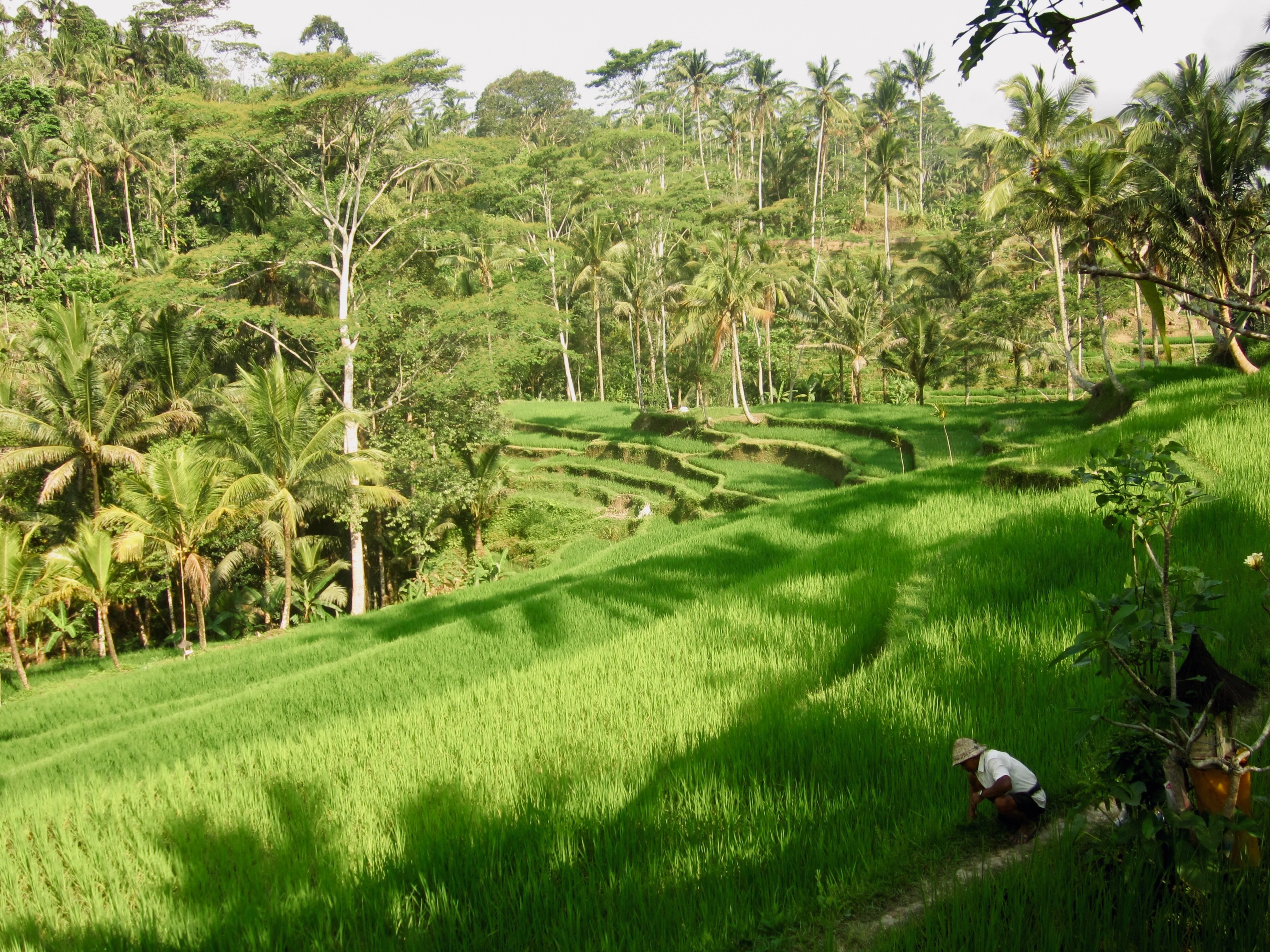
Return to Ubud via the Ceking Rice Terraces. Bali’s volcanic soil and tropical wet climate make it ideal for cultivating rice. An ingenious irrigation system was developed centuries ago to allow for cultivation on slopes. This resulted in the scenic terraced rice fields that are emblematic of Bali.

Day 9: Mount Batur
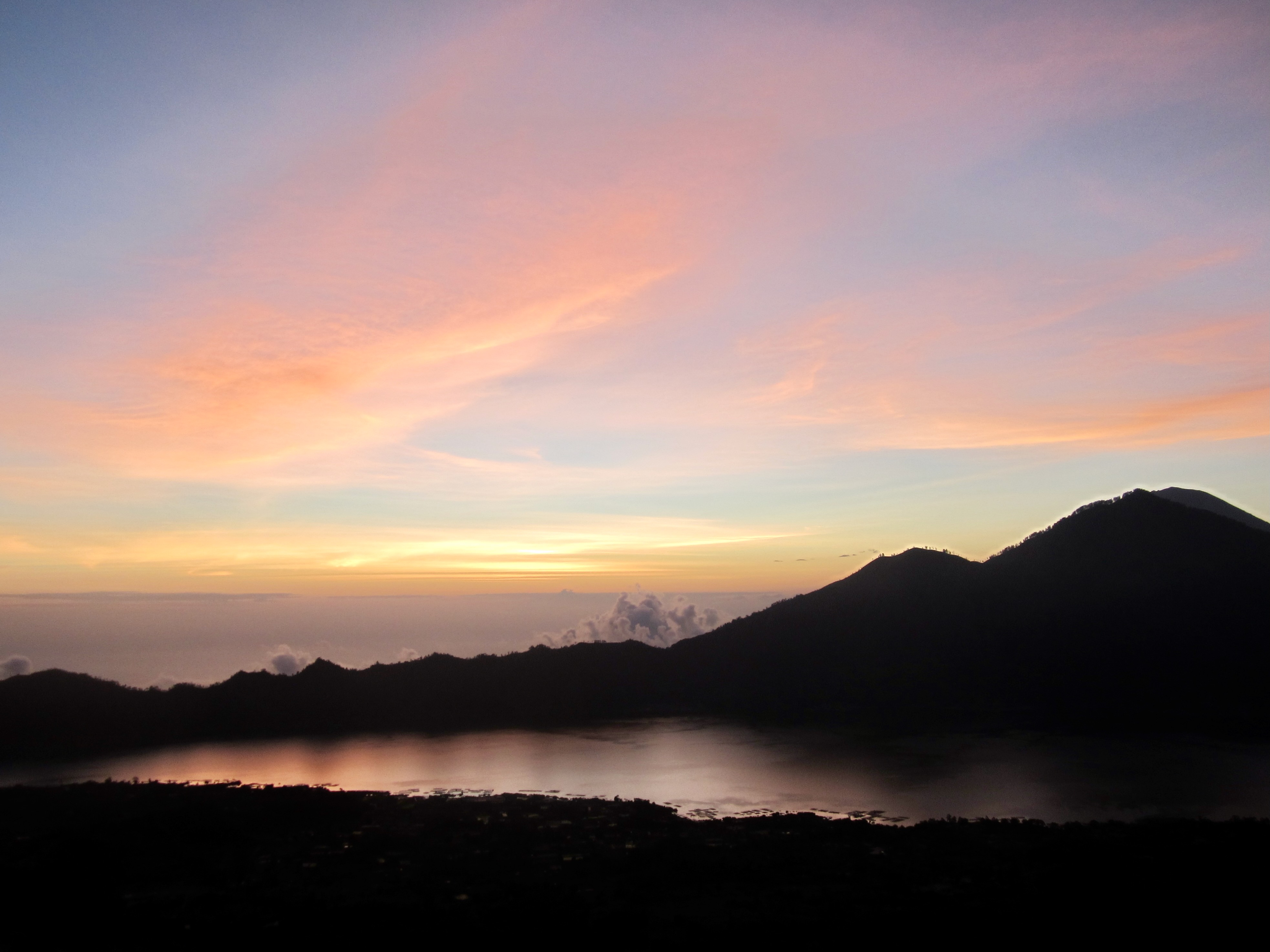
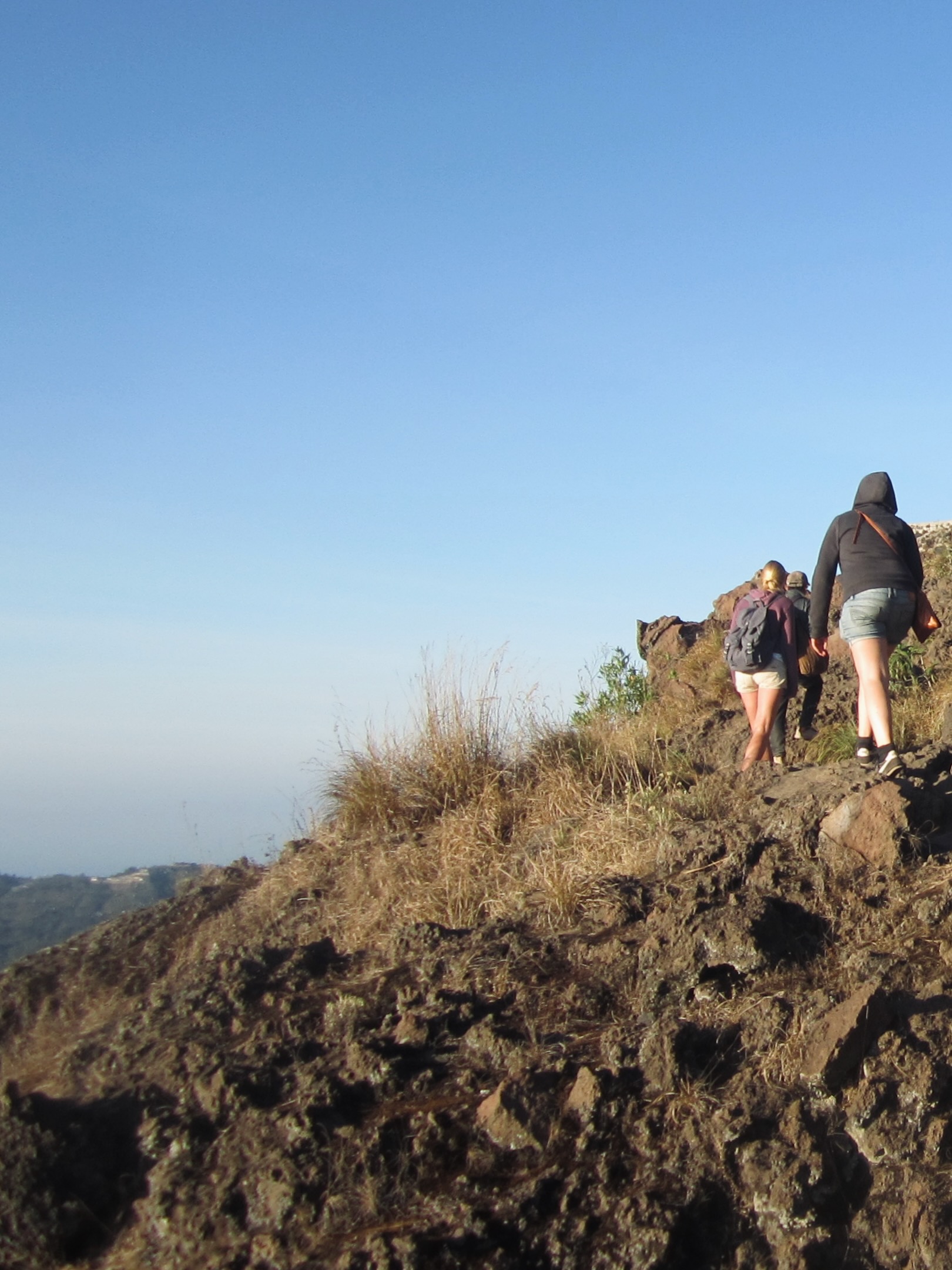
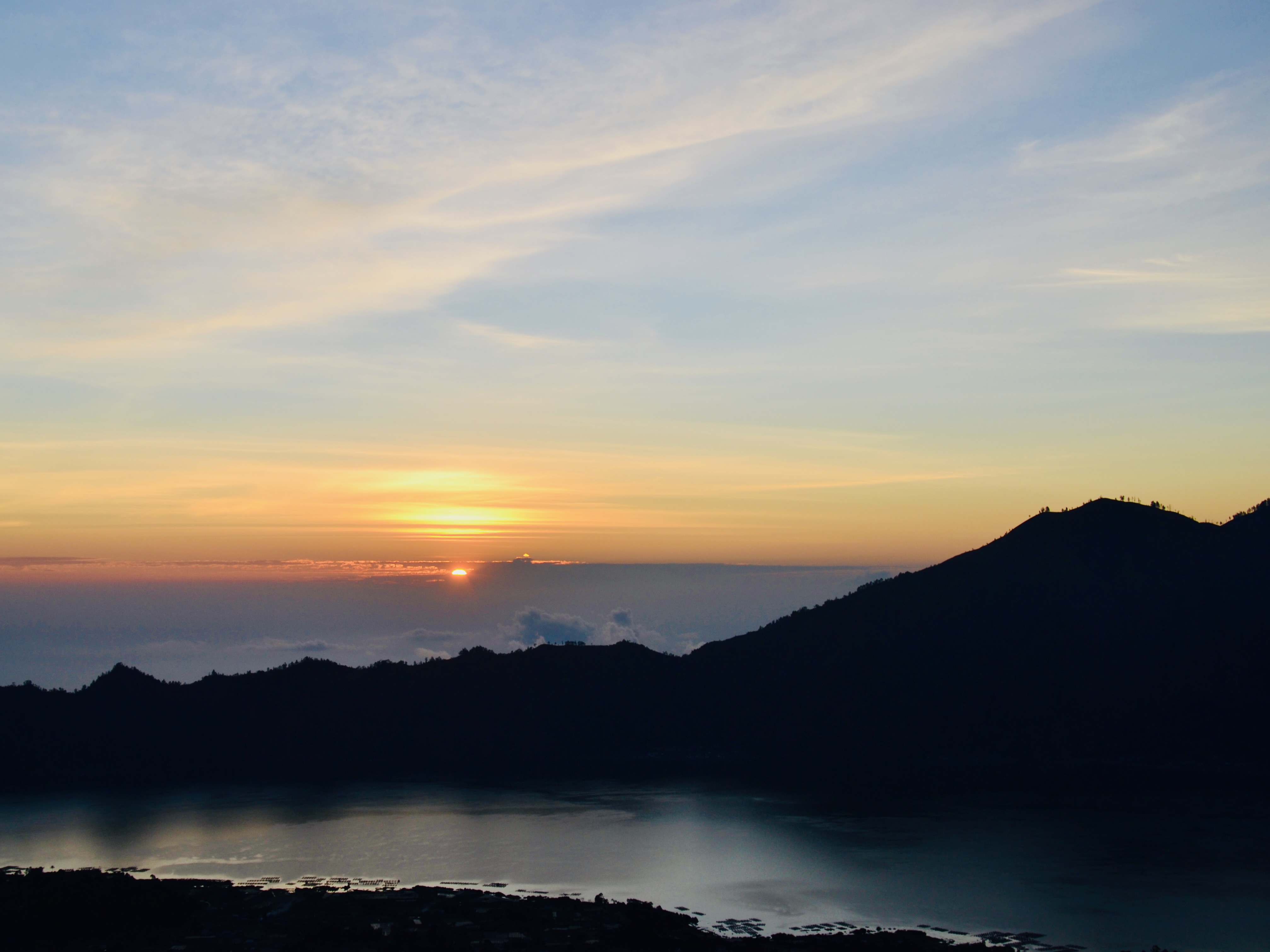
Set your alarm early for a memorable adventure. Mount Batur is climbed before the break of dawn, to witness the sunrise from the top of this active volcano. The pick-up from Ubud is around 2 AM, in order to start hiking by 3:30 AM. After a two-hour climb in the dark, the banana sandwiches with hardboiled eggs taste like a five-star breakfast. The sunrise over Lake Batur and the surrounding mountains is spectacular.

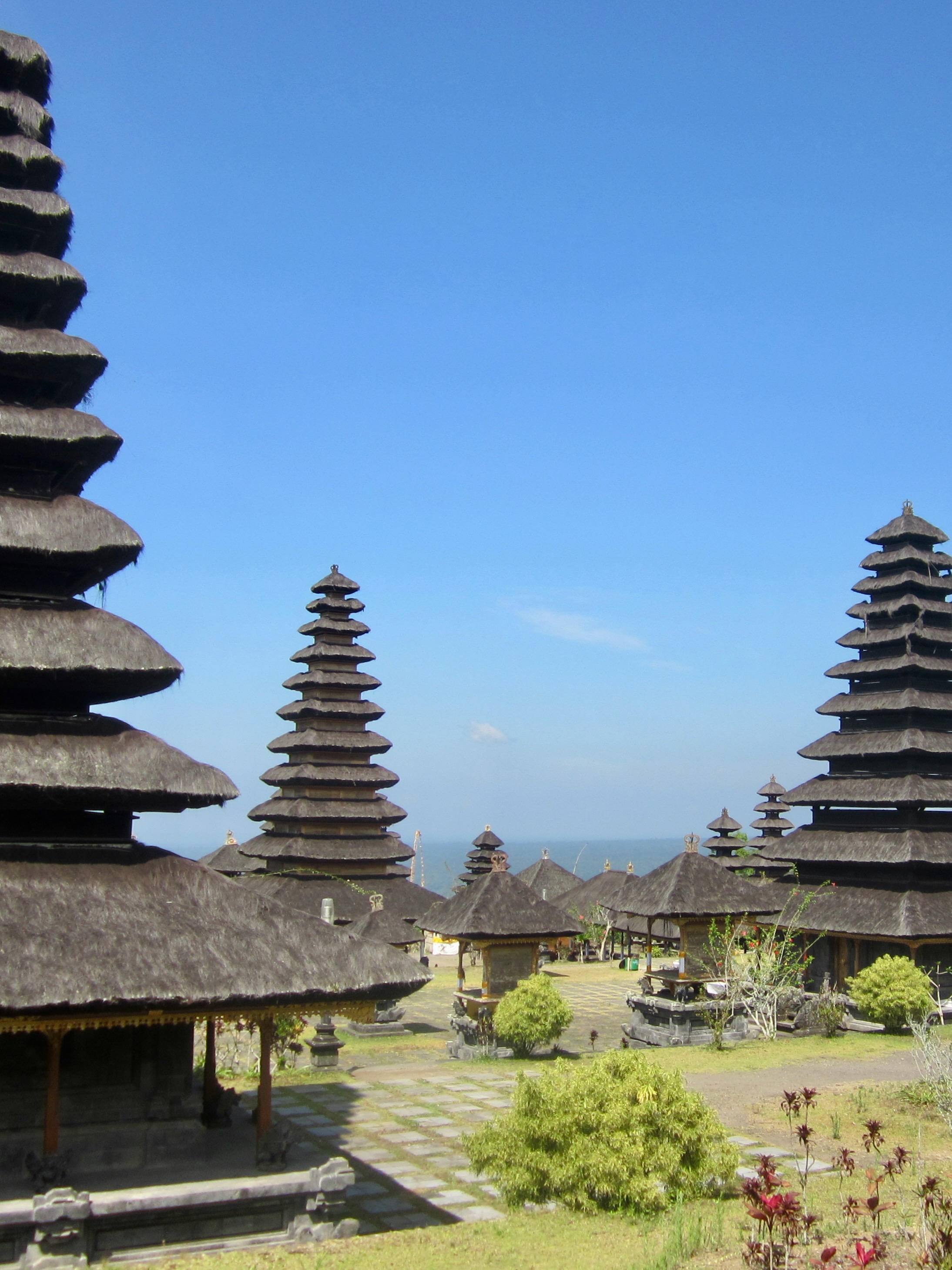
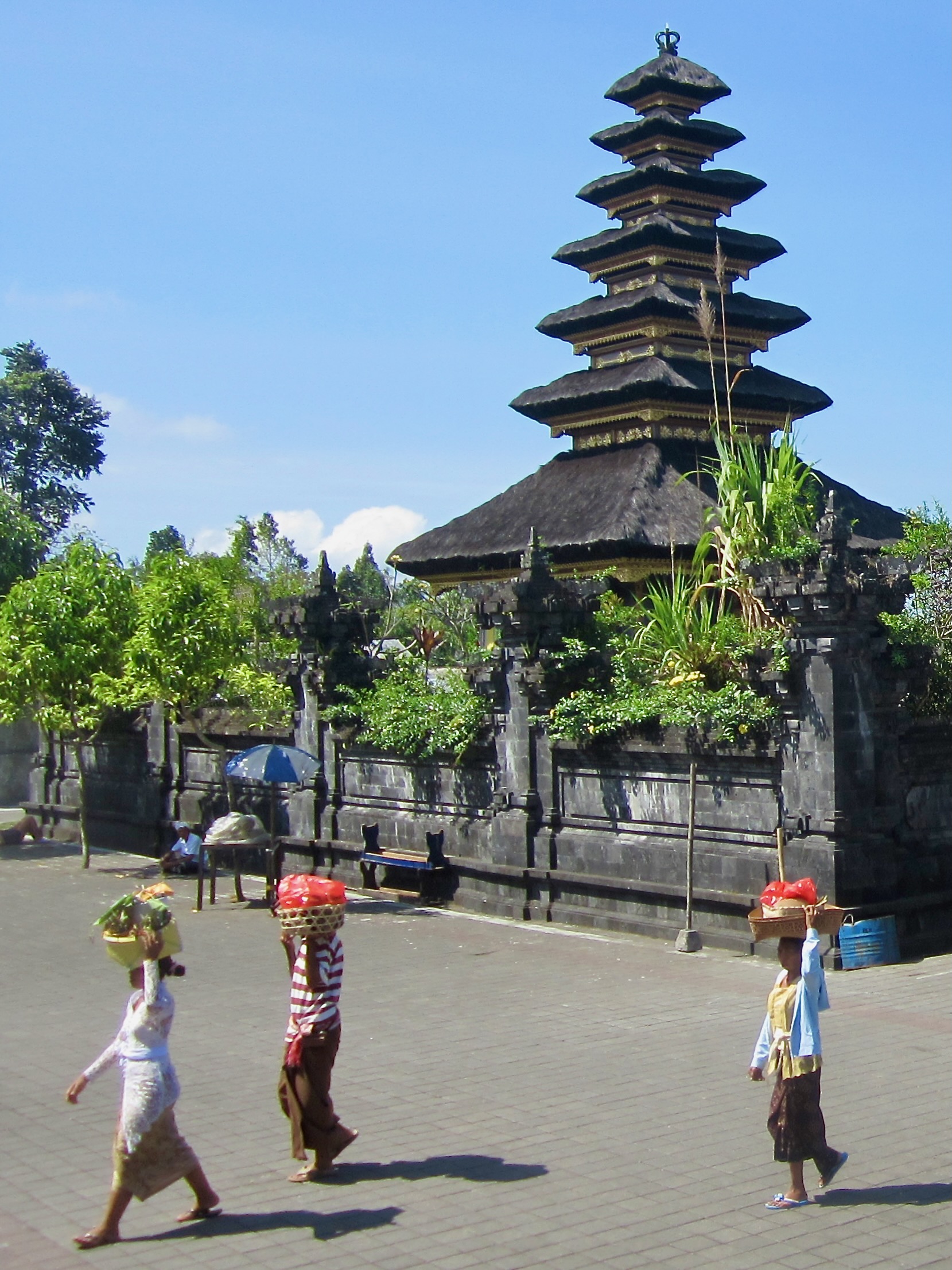
If you haven’t reached your temple saturation point and are traveling by private transport, arrange a stop at the mother of all Hindu temples in Bali. Pura Besakih is set against the backdrop of the other active volcano on the island, Mount Agung. The complex is considered the holiest in Bali and counts 23 temples.
Day 10: Return Flight
Return to Bali’s Denpasar airport to leave this island paradise behind. Luckily, Indonesia has thousands of beautiful islands left to explore.

 Klara the Explorer
Leave a comment