
Argentina is an extraordinary country that I hold close to my heart, after calling it home for a year. Mapping out two weeks in such a vast and diverse country is not easy, but this itinerary comes tried and tested. A mix of air and car travel, it covers North and Central Argentina in two packed weeks. With the optional days and a more relaxed pace, you can easily turn this into a three-week trip.
Two-Week Itinerary in Argentina
- Day 1-3: Buenos Aires
- Day 4-5: The Northeast – Iguazú Falls
- Day 6-10: The Northwest – Salta & Jujuy
- Day 11-14: The Cuyo – La Rioja, San Juan & Mendoza
- Day 15: Return to Buenos Aires
Day 1-3: Buenos Aires
Day 1: Microcentro & Puerto Madero
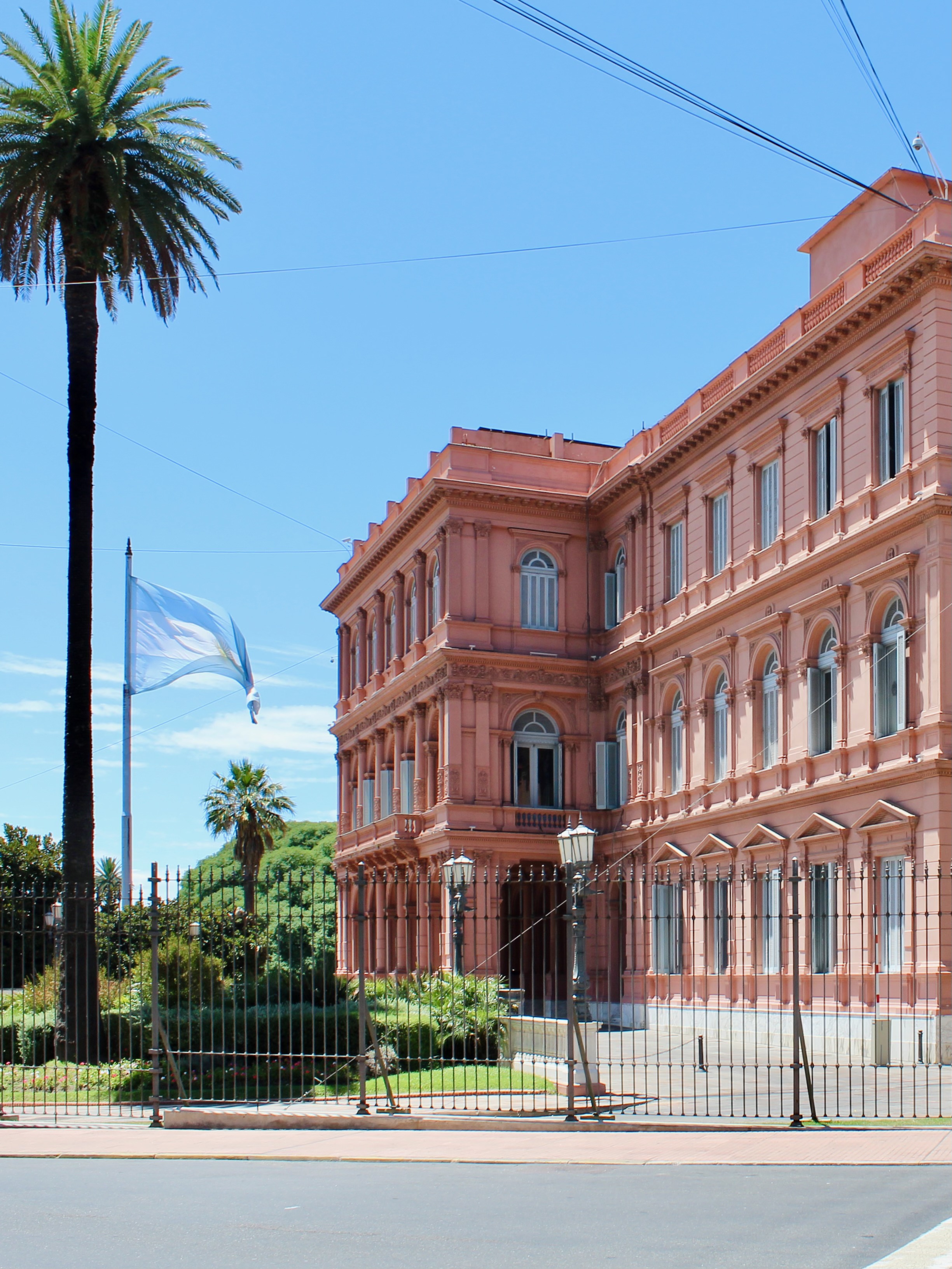
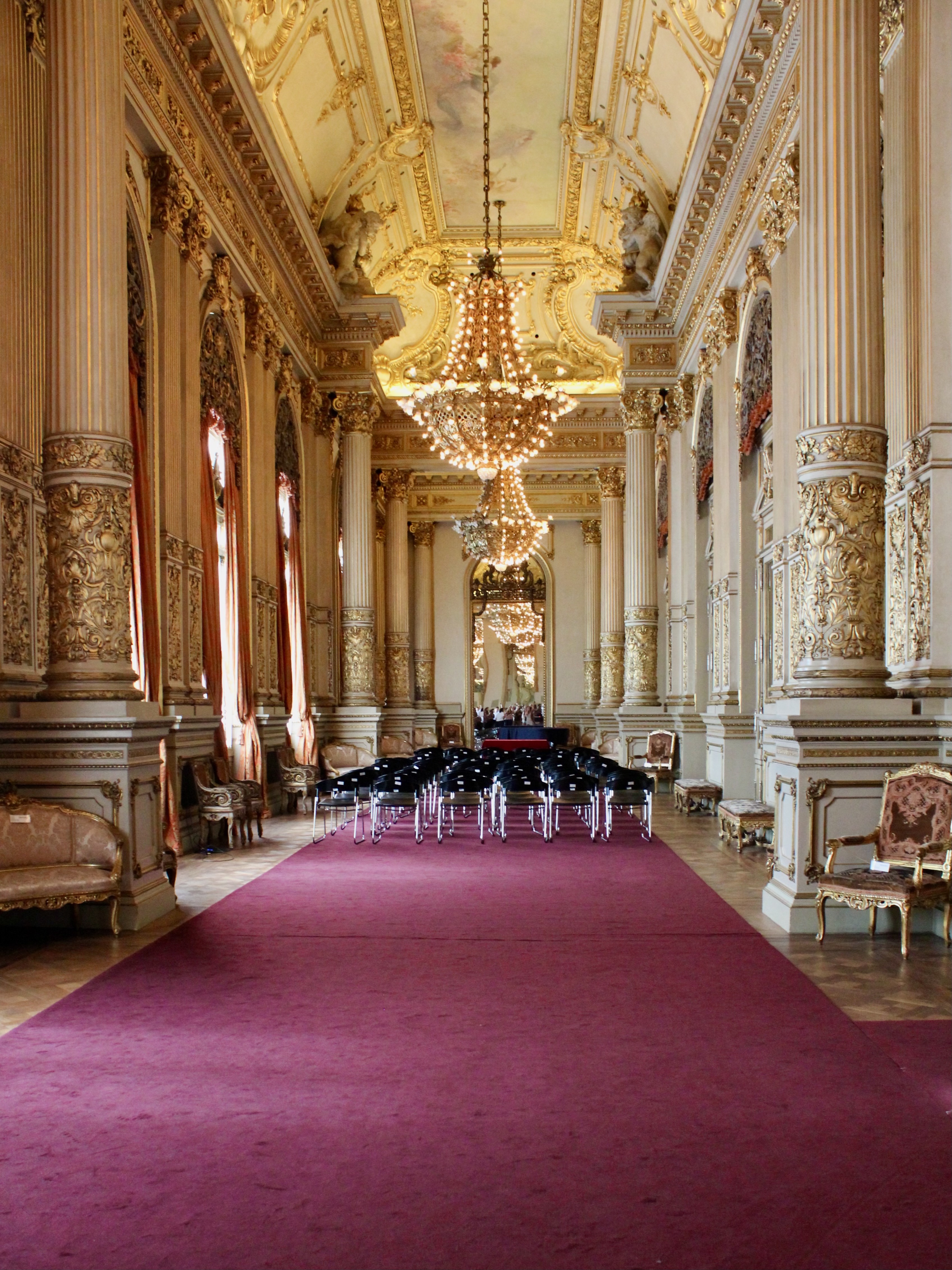
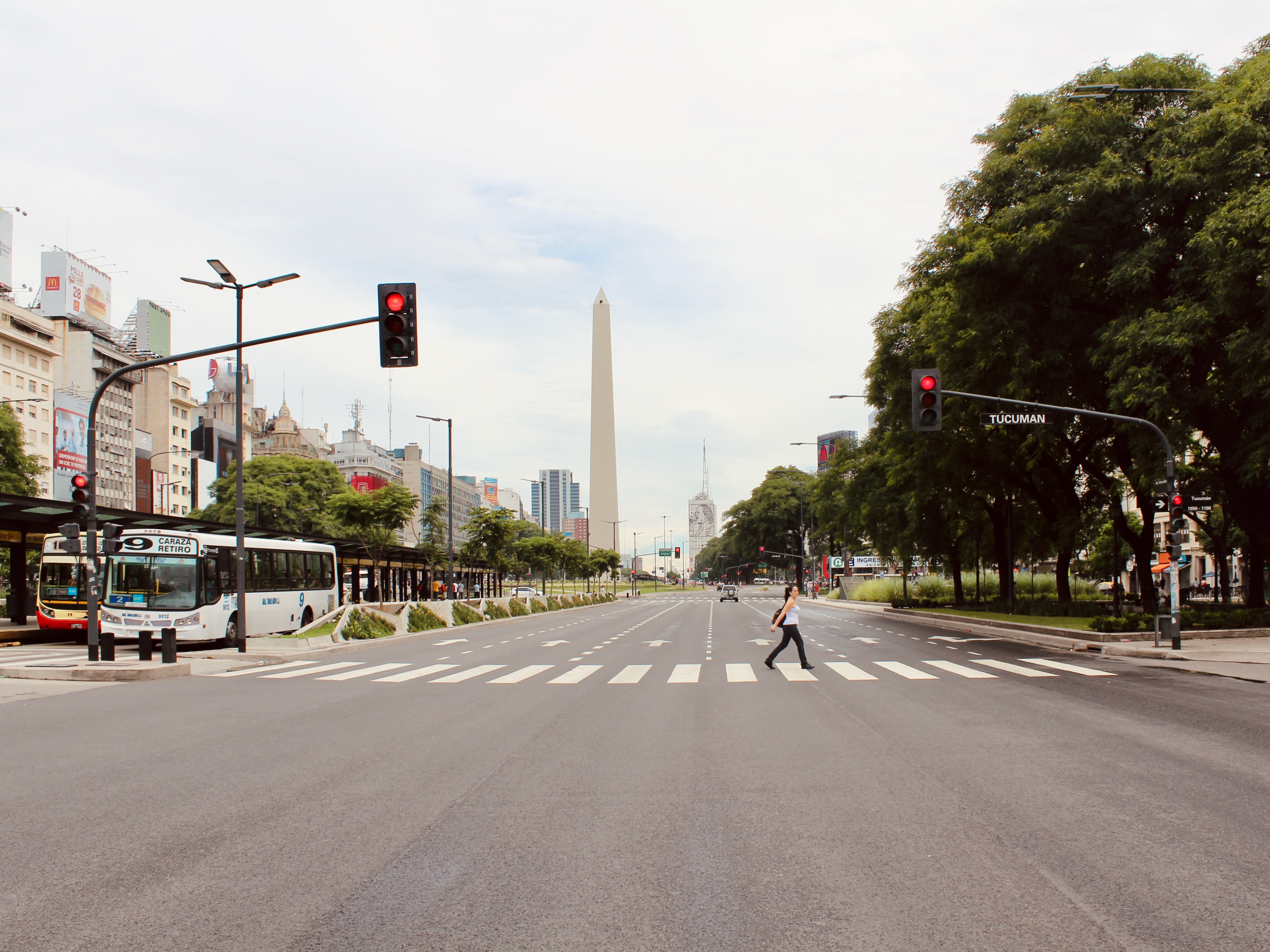
The capital of Argentina blends European influences with the Latin way of life. Each neighborhood in the city has a very distinct atmosphere. Start in Microcentro, the commercial heart of the city. This is where most of the iconic sights are located: the Plaza de Mayo and Casa Rosada, the Catedral Metropolitana, Avenido 9 de Julio’s Obelisco and Teatro Colón. Mingle with the neighborhood’s office crowd during lunch around Plaza General San Martín, or happy hour drinks in the elegant steakhouses of Puerto Madero.
Stay: Buenos Aires

Day 2: La Boca & San Telmo
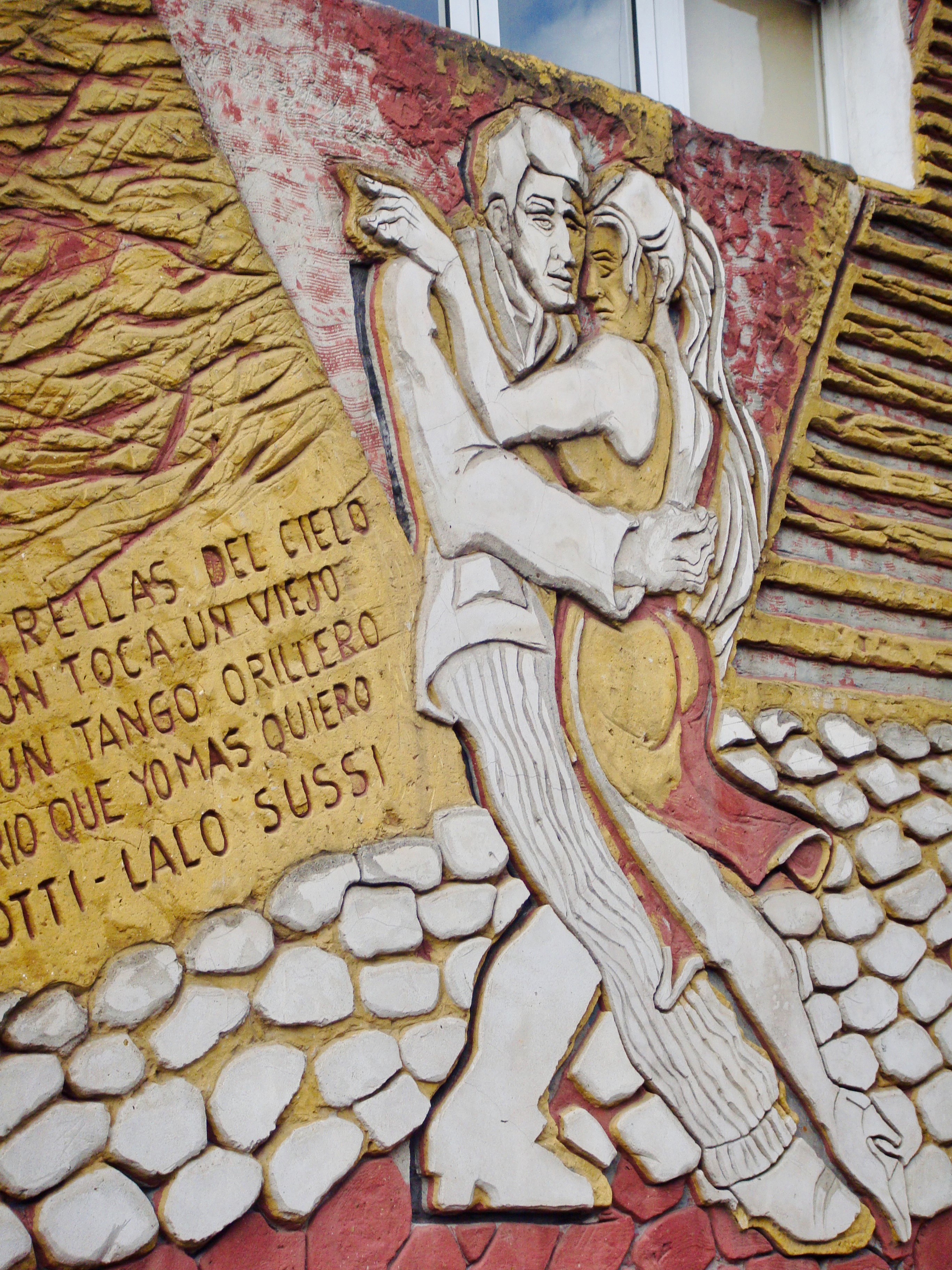
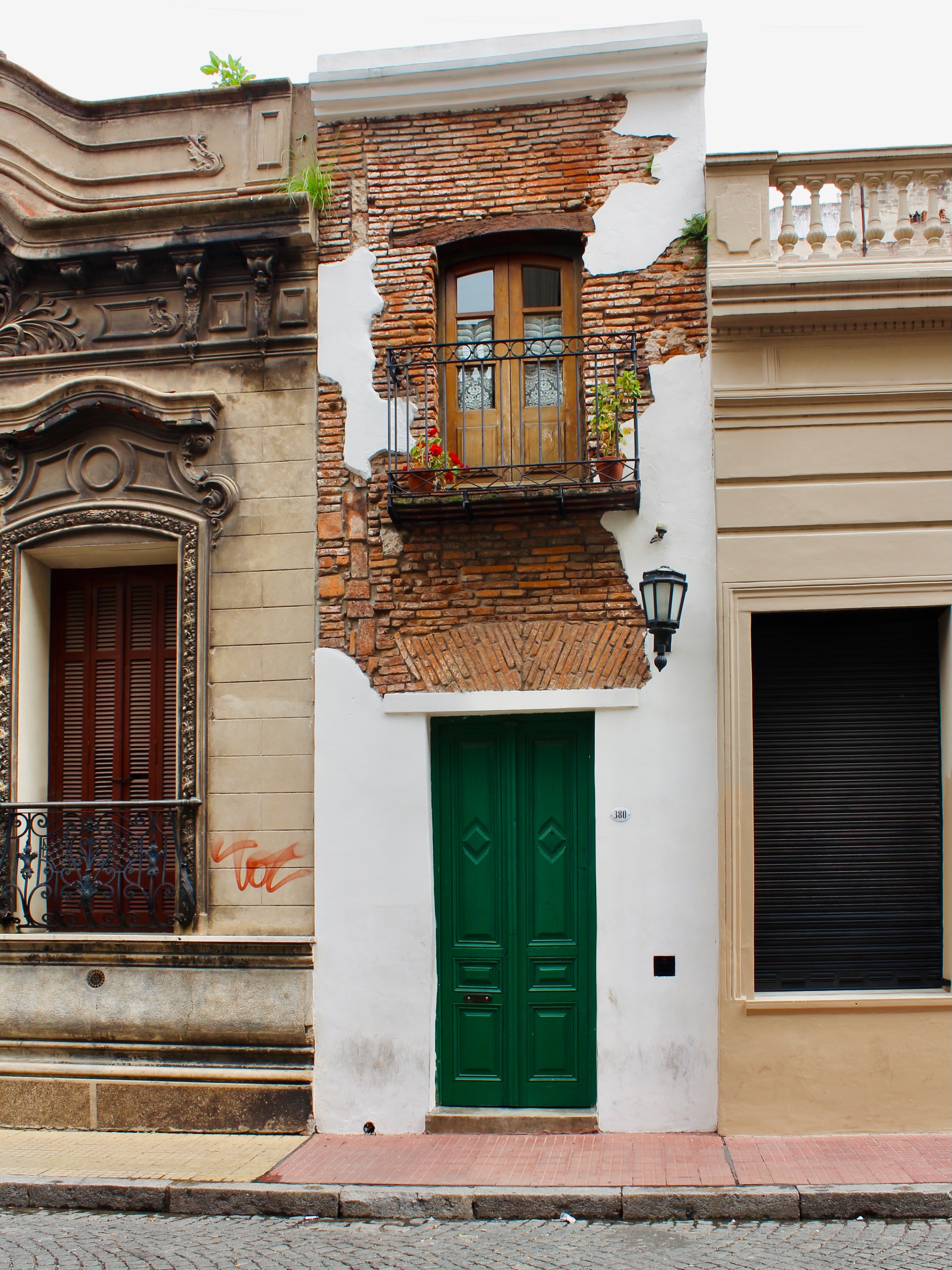
The colorful streets of La Boca are Buenos Aires’ poster child, but also a true depiction of how this immigrant neighborhood used to look. Today La Boca embraces both tango and tourist traps, so skip the meal and head to neighboring San Telmo instead. As the city’s oldest neighborhood, the cobblestone streets are steeped in history and bohemian charm. There is a list of notable historic bars in Buenos Aires, several of which can be found in San Telmo. Step back in time for the evening with aperitivo in El Federal, followed by an intimate dinner and tango show.
Stay: Buenos Aires


Day 3: Recoleta & Palermo
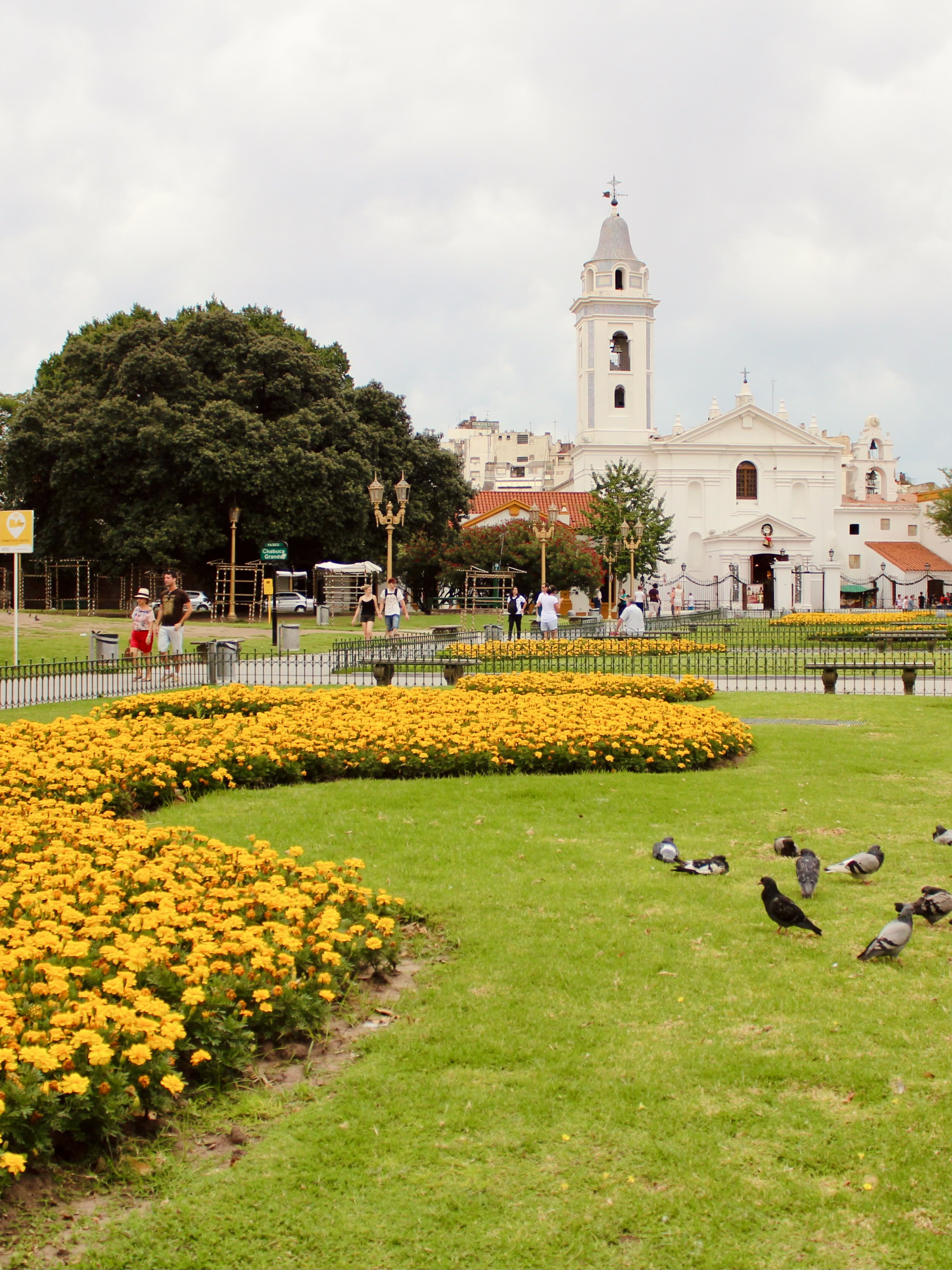
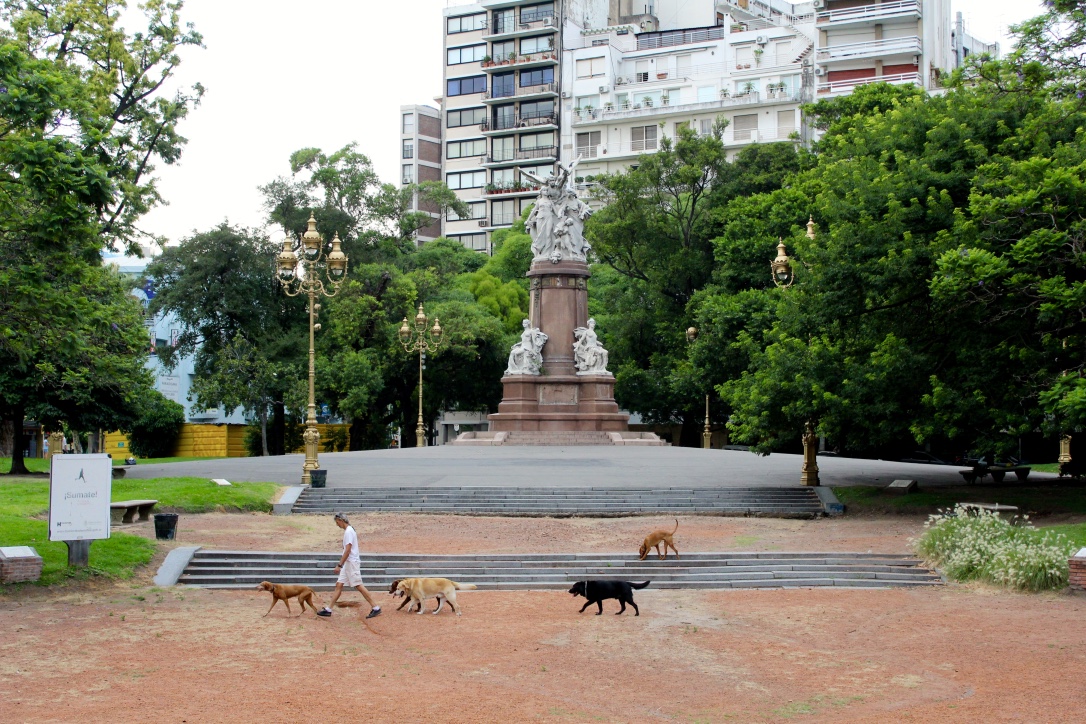
Recoleta’s nickname is the Paris of South America, derived from its architecture, atmosphere and posh inhabitants. It is also the final resting place for many of the countries notable figures, buried in the Cementerio de Recoleta. Have coffee or lunch at a sidewalk café like La Biela, before moving on to Palermo. This is the city’s trendiest area, housing stylish restaurants, boutiques and parks. There are no major sights to visit in Palermo, just aimless strolling in the elegant streets.
Stay: Buenos Aires

Day 4-5: The Northeast – Iguazú Falls
Day 4: Fly to Puerto Iguazú
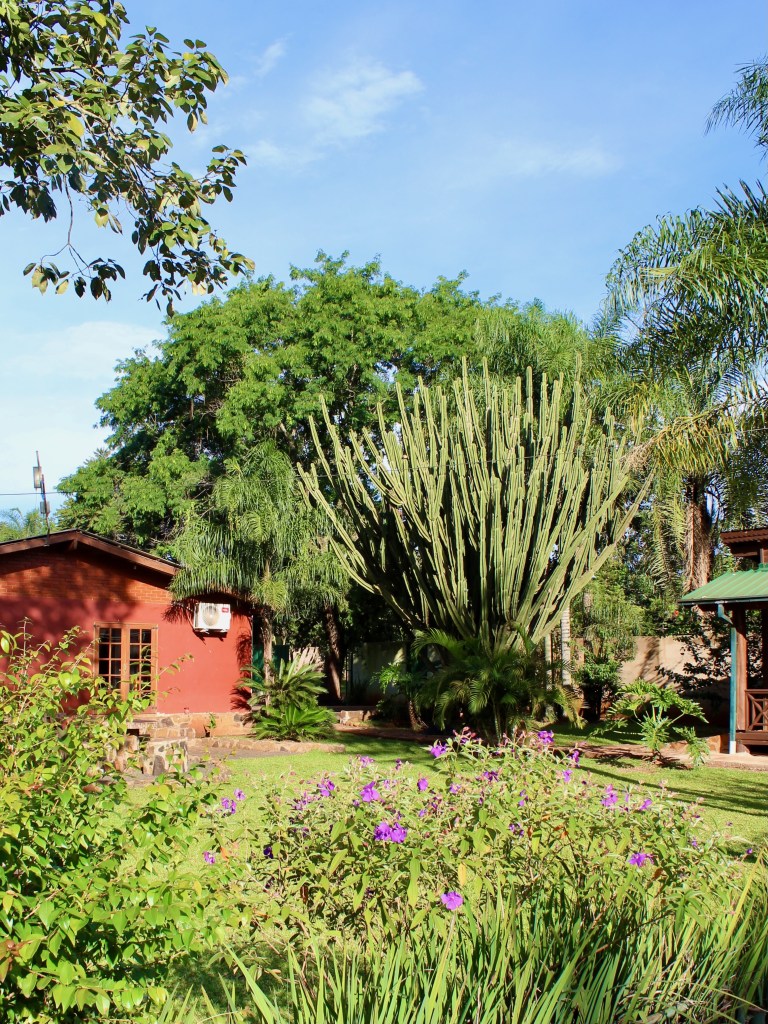
The majestic Iguazú Falls are located on the border of Argentina and Brazil, 800 miles north of Buenos Aires. For this route, air travel is the most economic and efficient option. Several carriers offer multiple flights per day to Puerto Iguazú, between $50 and $100 USD one-way. Once checked into your jungle oasis, enjoy the tropical setting (and humidity) in the northeastern corner of the country. Head into town to book your tours and transfers for the upcoming two days, if not already done so online.
Stay: Puerto Iguazú

Day 5: Iguazú Falls from Argentina & Brazil
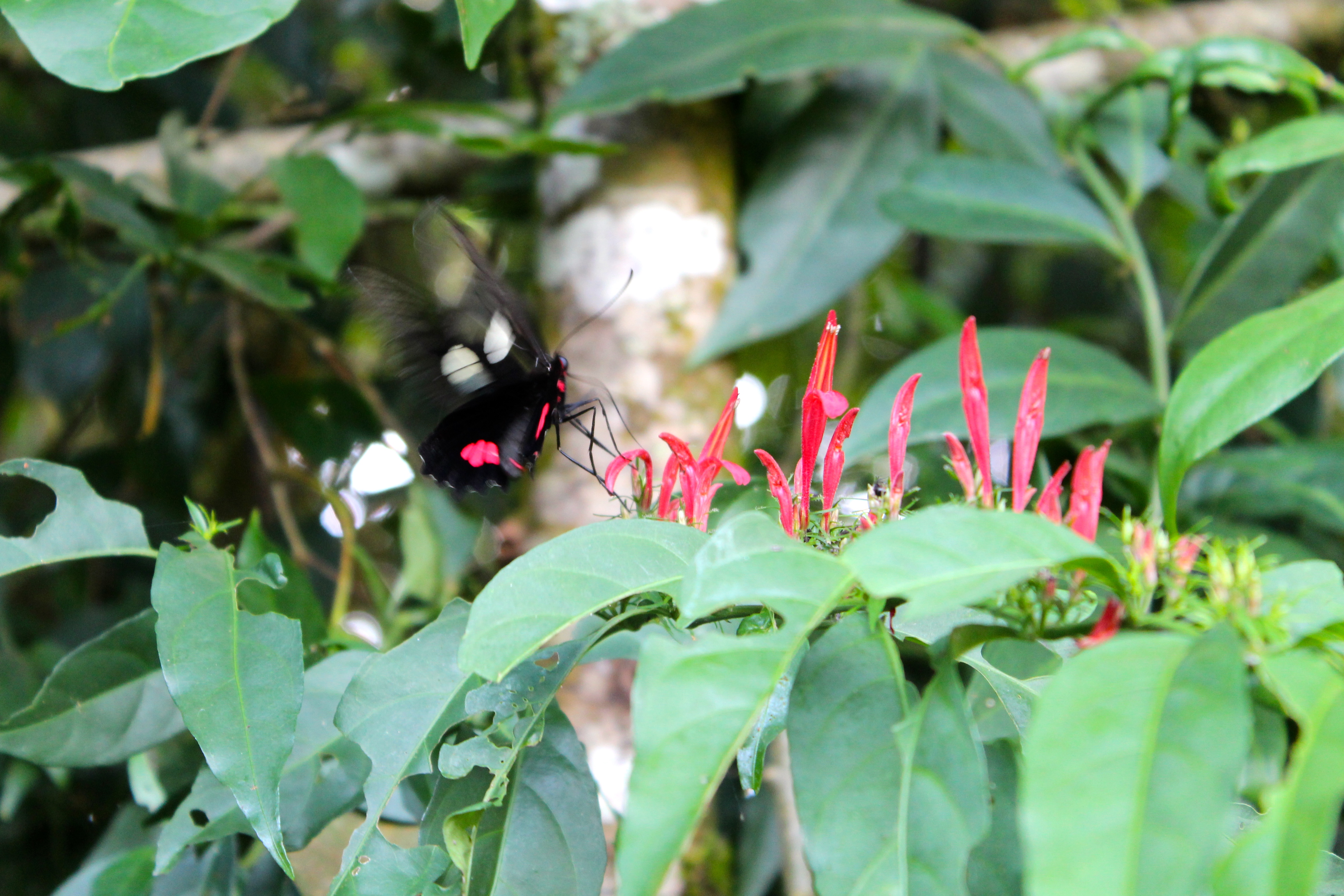
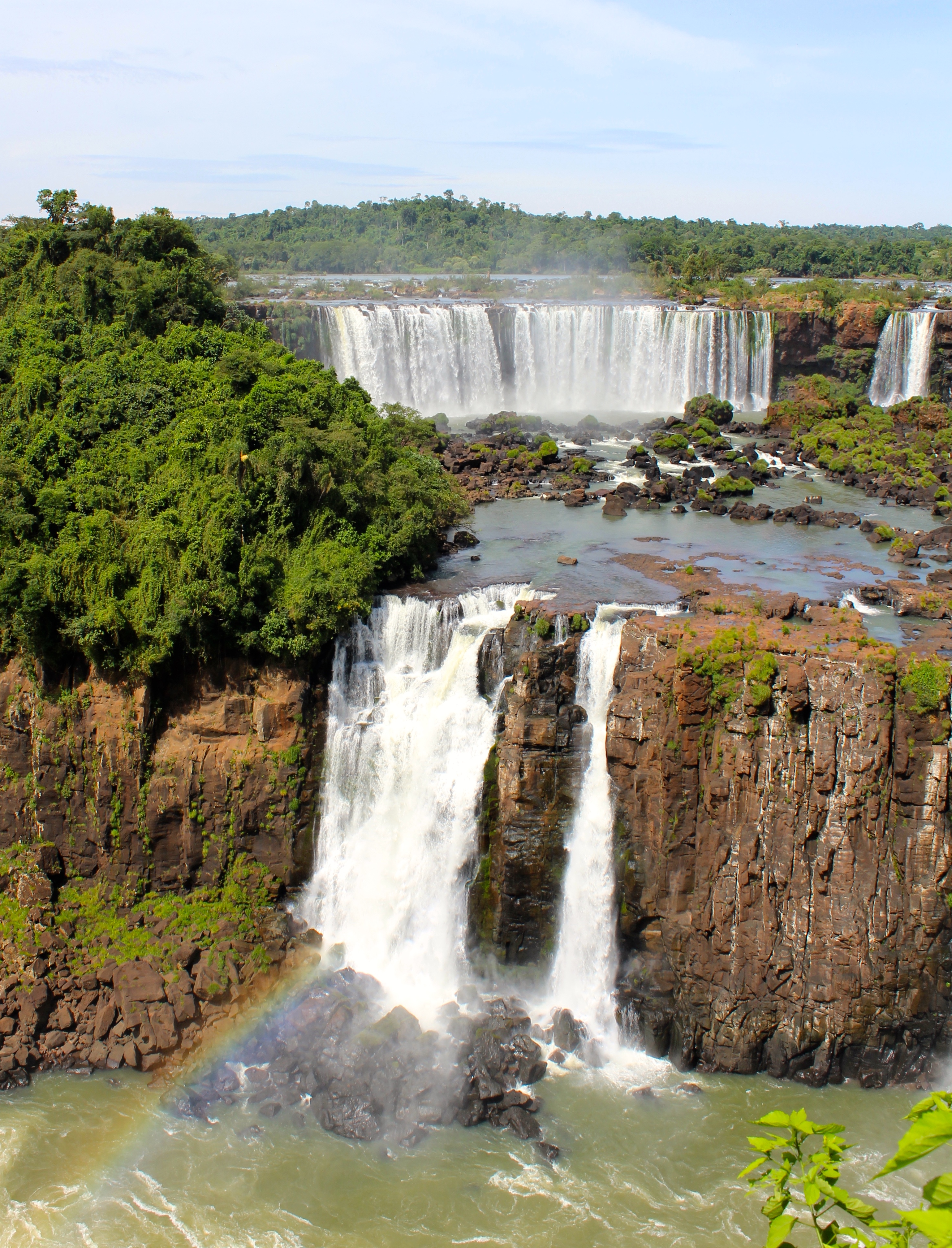
The Iguazú Falls can be visited from Argentina and Brazil, with a national park on each side. Both countries offer equally spectacular yet completely different views. The most convenient way to visit both parks on the same day is by private driver, who can navigate the border crossing without hassle. You’ll start at the Brazilian side, which is the busiest but most compact. The afternoon is left open for the Argentinian side, leaving enough time to walk the many trails to different waterfalls and viewpoints. You can read my experience of visiting both sides in one day here.
Stay: Puerto Iguazú


Optional Day: Ruins of San Ignacio Miní & Wanda Mines
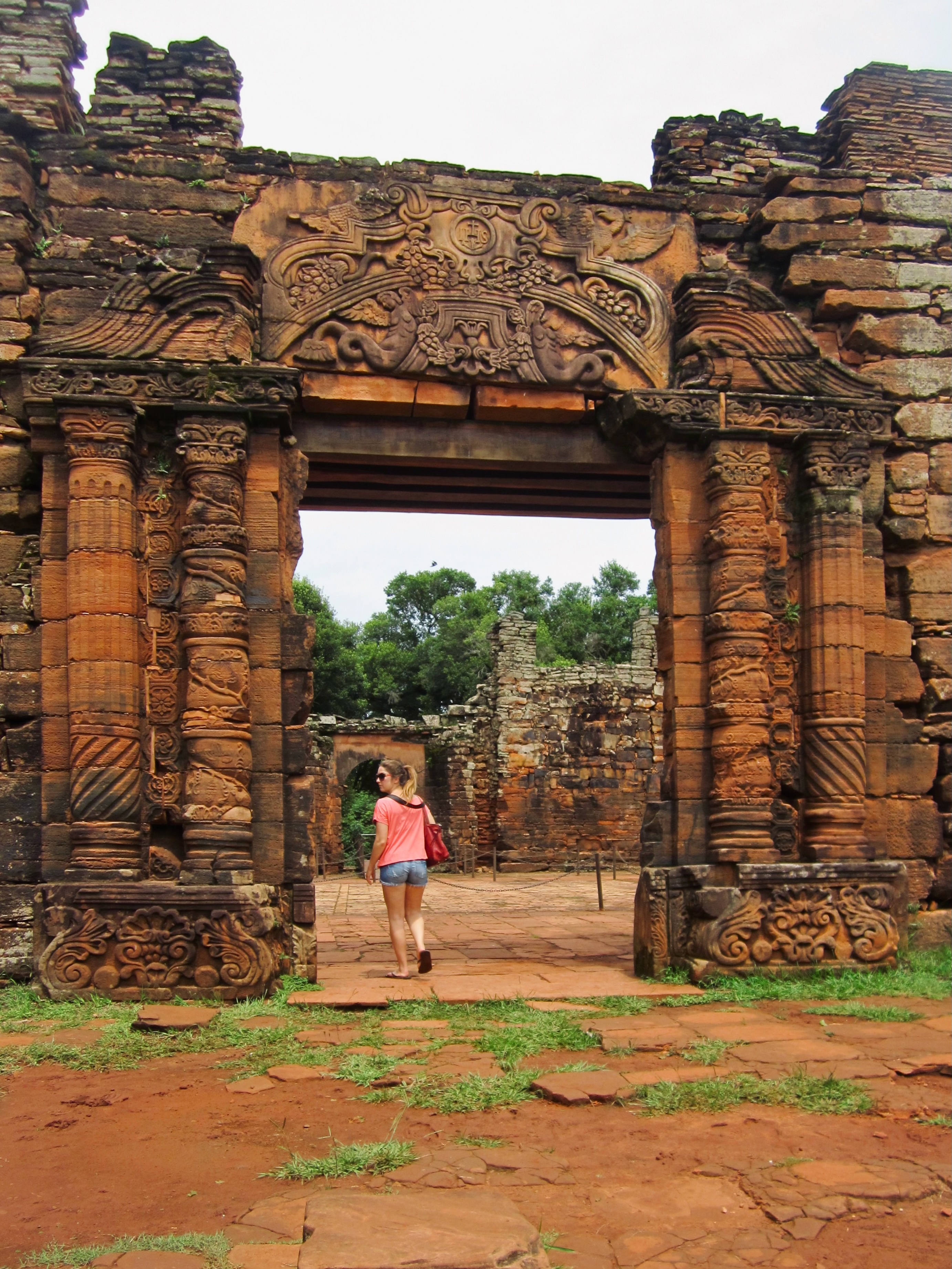
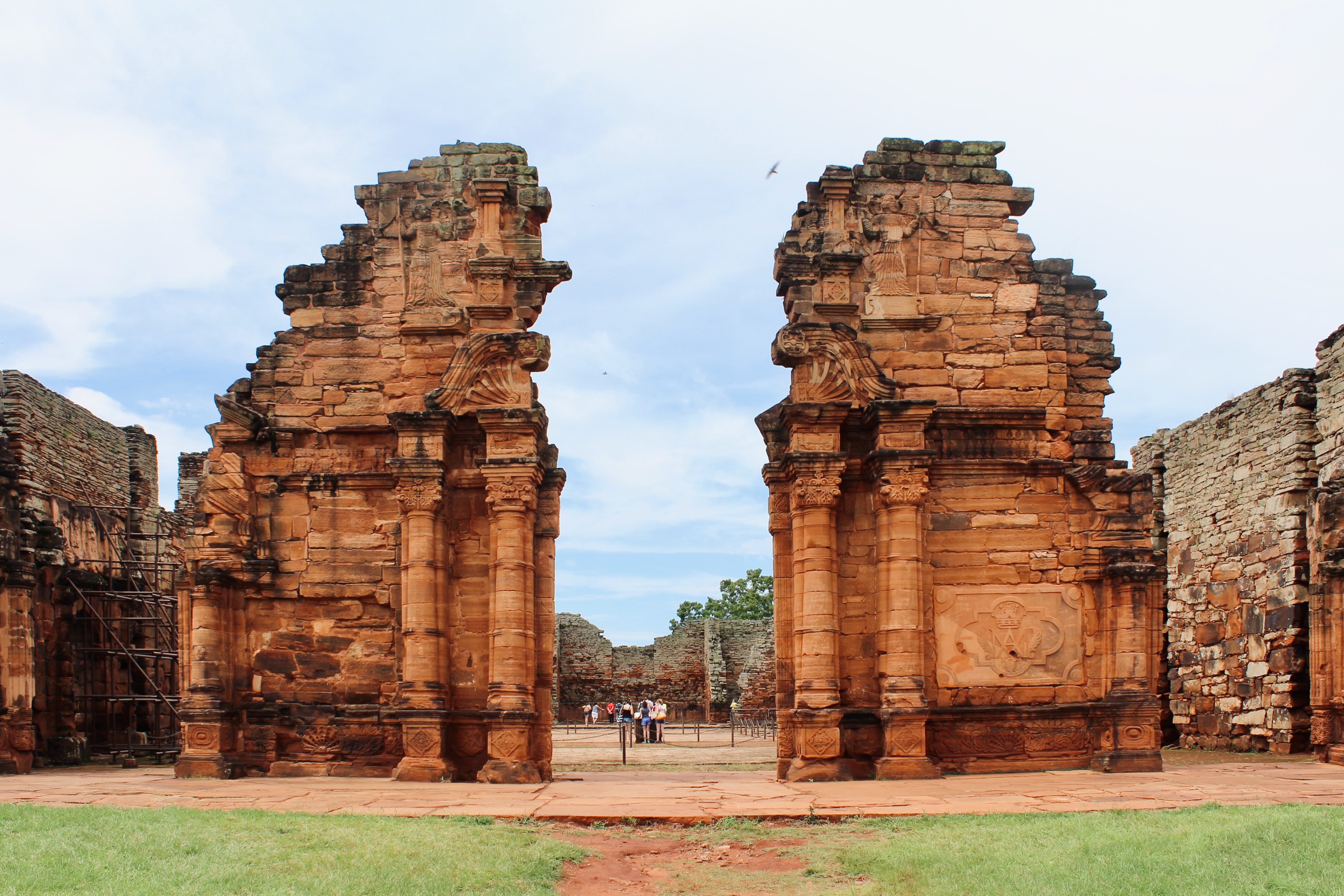
The ruins of San Ignacio Miní are the remains of a Jesuit Mission. What makes them stand out is the red sandstone that was used, creating a striking contrast with the green surroundings. Most tours and private transfers make a stop at Wanda Mines on the three-hour drive south from Puerto Iguazú. This mine of semiprecious stones, mostly amethyst, was discovered on accident by a family who bought the terrain for cultivating yerba mate. Argentina’s signature drink is primarily produced in the red soils of the Misiones province.
Stay: Puerto Iguazú

Day 6-10: The Northwest – Salta & Jujuy
Day 6: Fly to Córdoba & Pick-up Rental Car
From Puerto Iguazú, fly to Córdoba in central Argentina. Direct flights by Aerolíneas Argentinas only run four days a week, priced around 150 USD one-way. Córdoba marks the start and end of the road trip portion of this itinerary. Its central position allows you to pick up and return the rental car at the same location, avoiding expensive one-way fees. Spend the afternoon discovering this charming university city.
Stay: Córdoba


Day 7: Drive from Córdoba to Salta
The drive to Salta takes around ten hours, from the green hills of Córdoba through the small but enchanting province of Tucumán. Traveling by car in this vast country is not suited for every region, sometimes driving hundreds of miles without a tree in sight. But in Argentina’s northwest, diverse and gorgeous scenery unfolds from the car window. Stop for refueling in San Miguel de Tucumán, known for delicious regional specialties like humitas and tamales.
Stay: Salta
Day 8: Salta
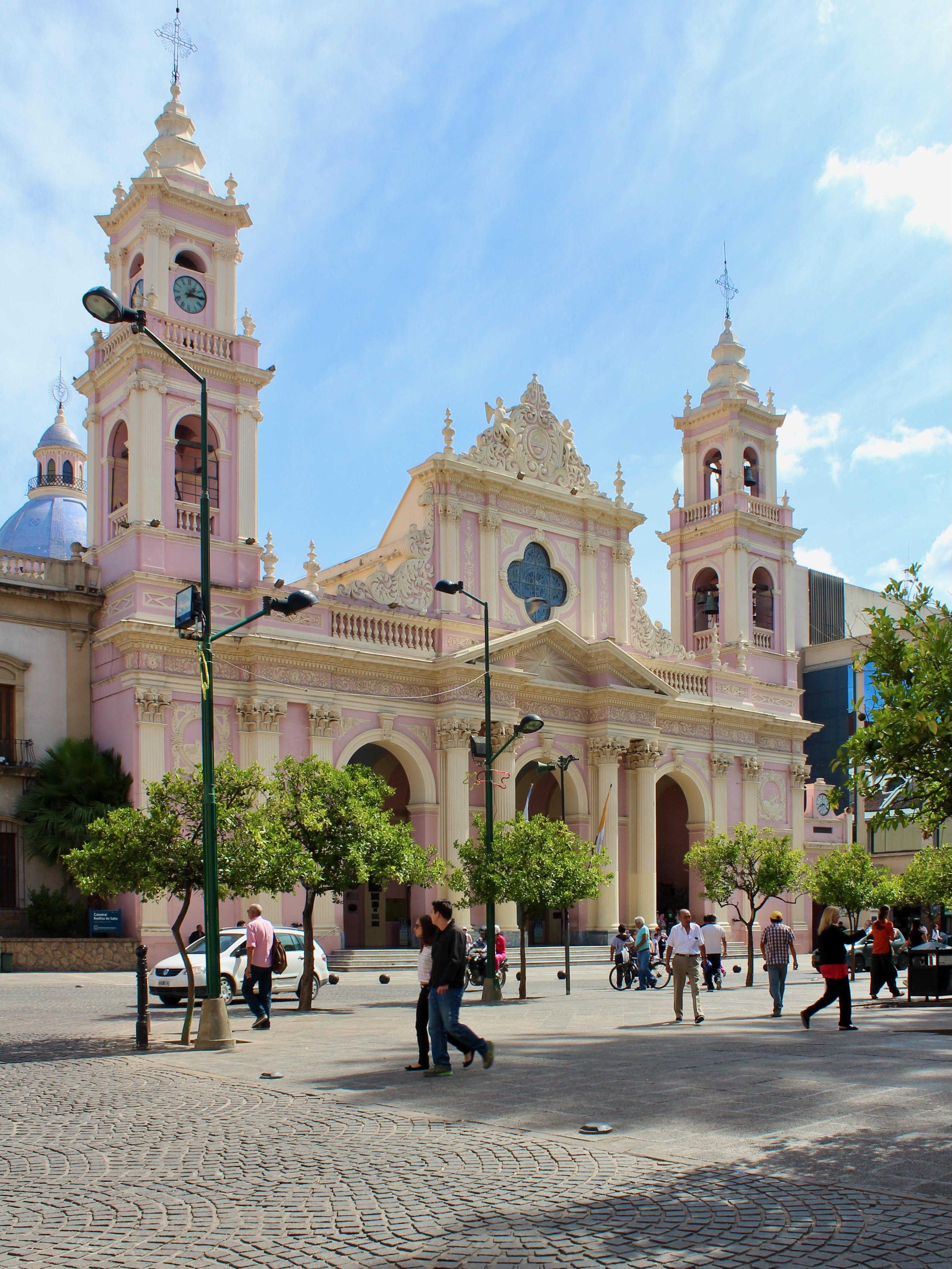
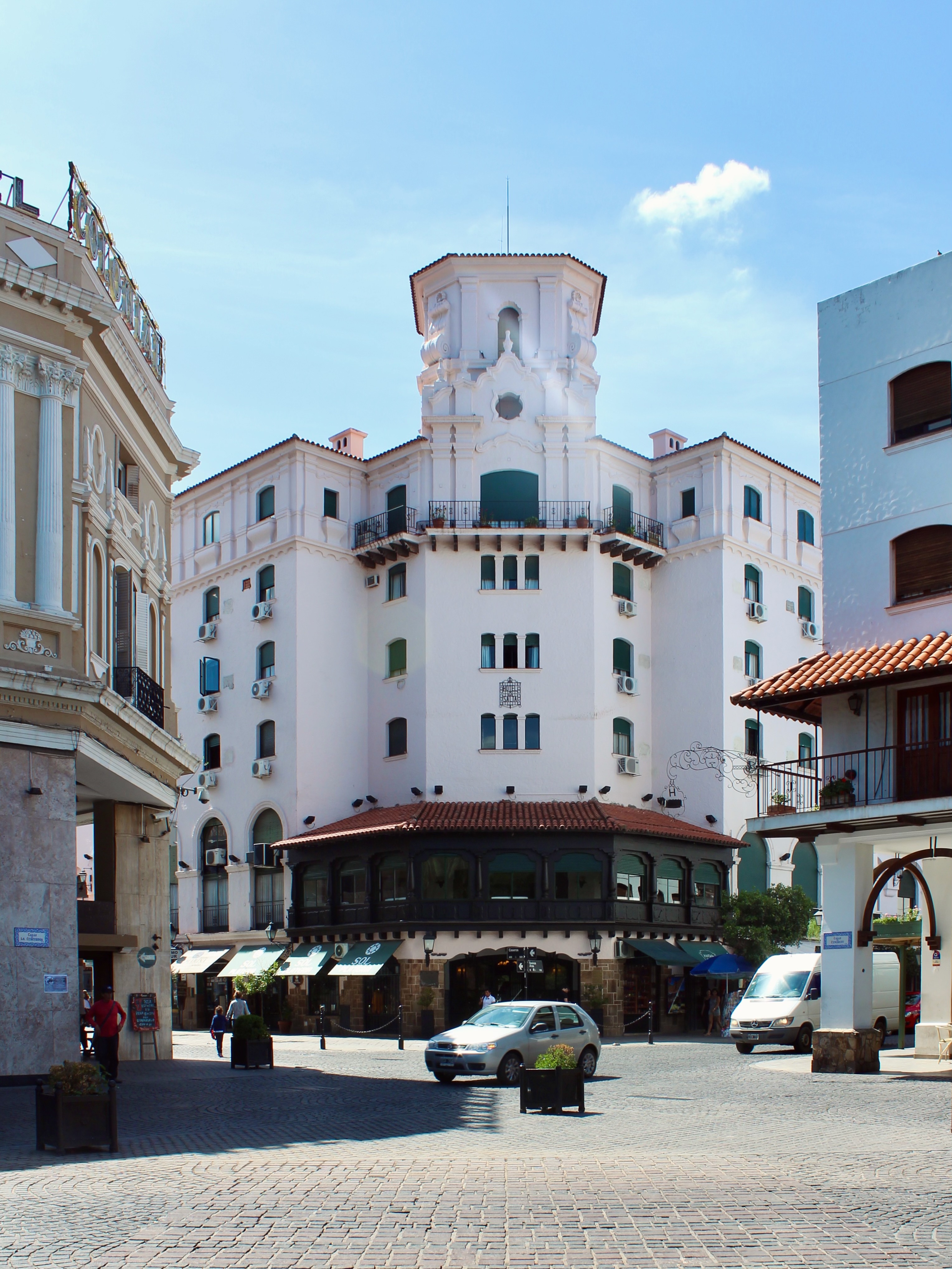
Salta is a beautiful colonial city, aptly nicknamed La Linda (The Beautiful). The city is a melting pot of indigenous cultures, resulting in unique traditions and regional cuisine. These come together in Salta’s peñas, where you can partake in lively celebrations of folklore. Salta’s main sights are found along the cobblestone streets of the historic center, including the Museum of High Altitude Archaeology (MAAM), home to three mummified Inca-children.
Stay: Salta


Day 9: Purmamarca & Route 52 to Salinas Grandes
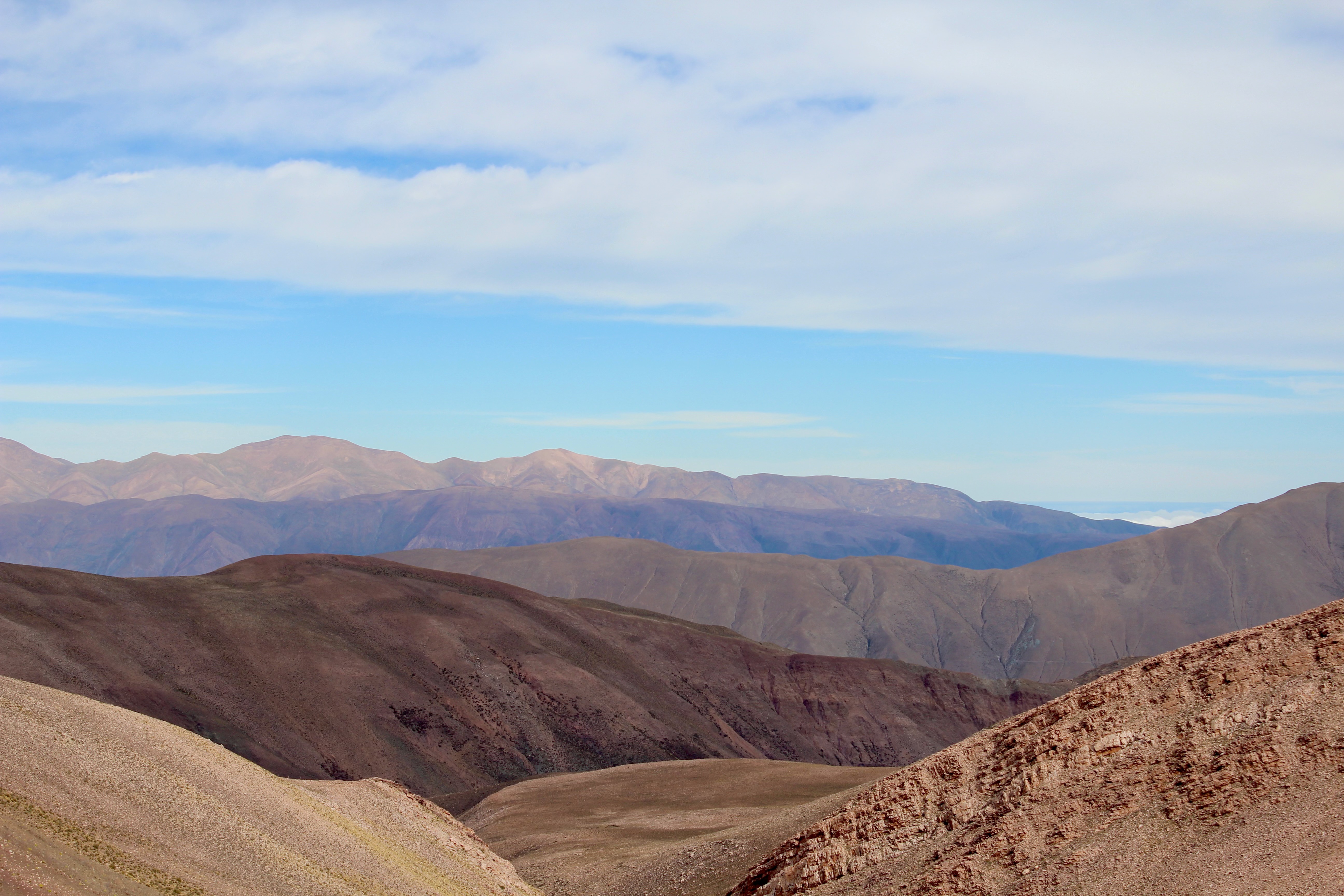
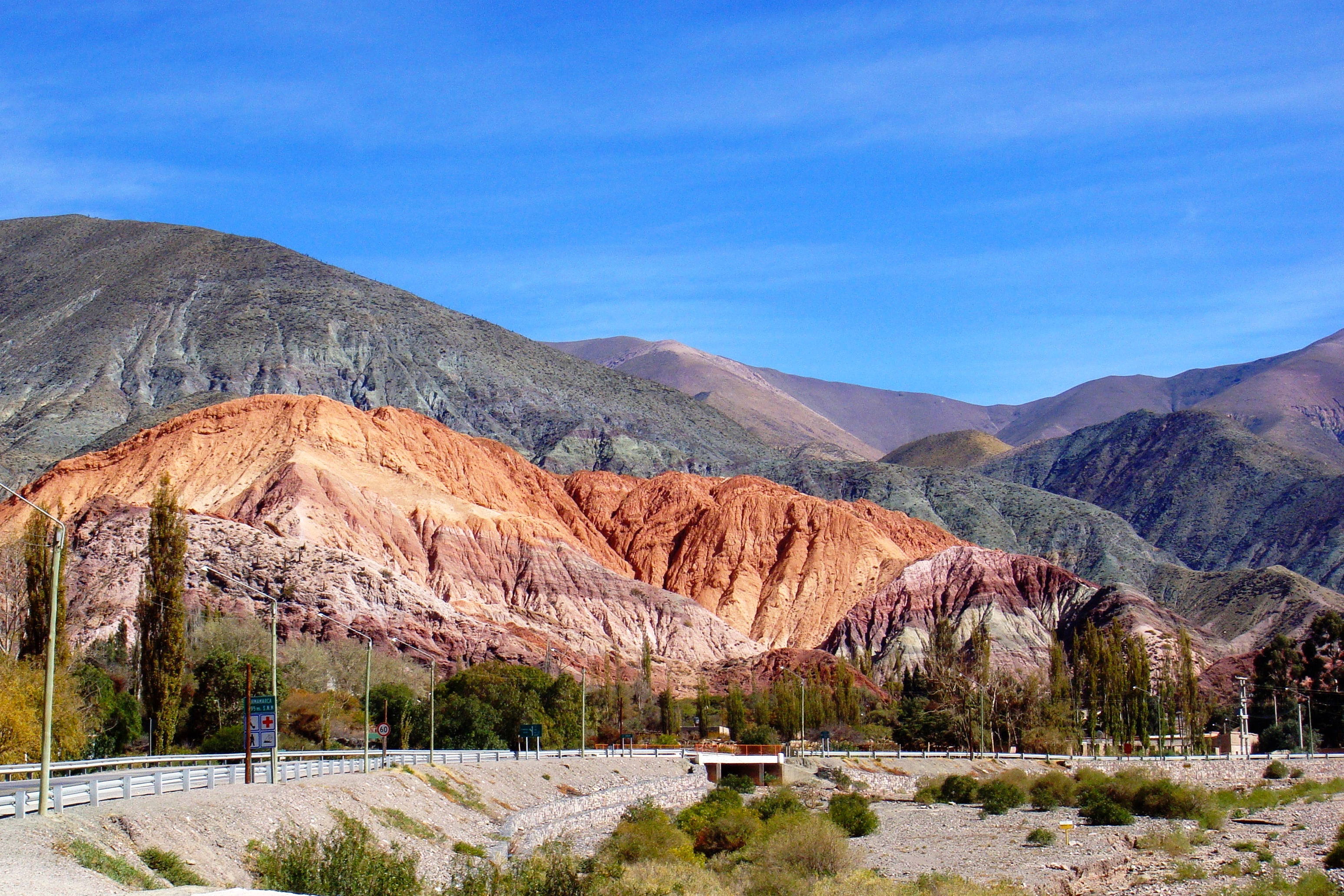
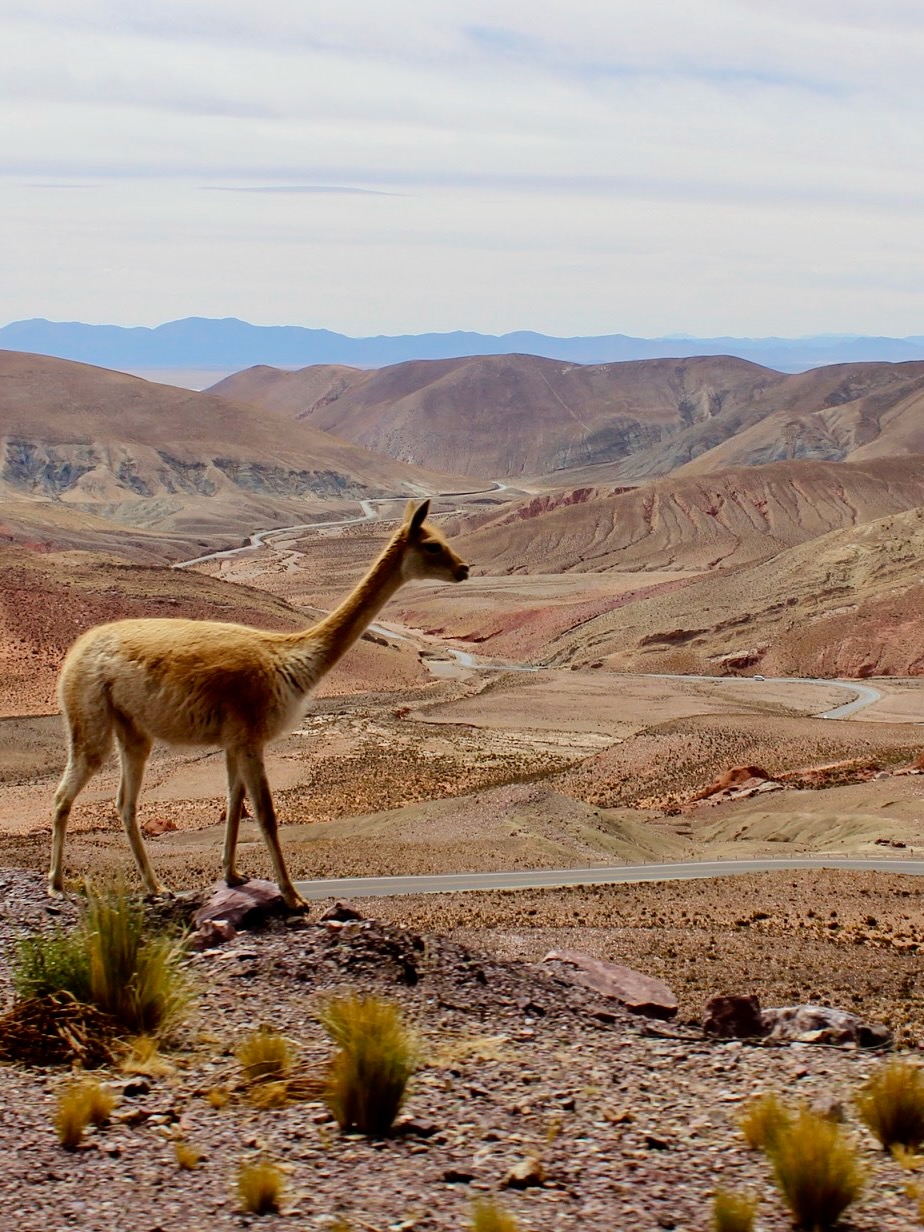
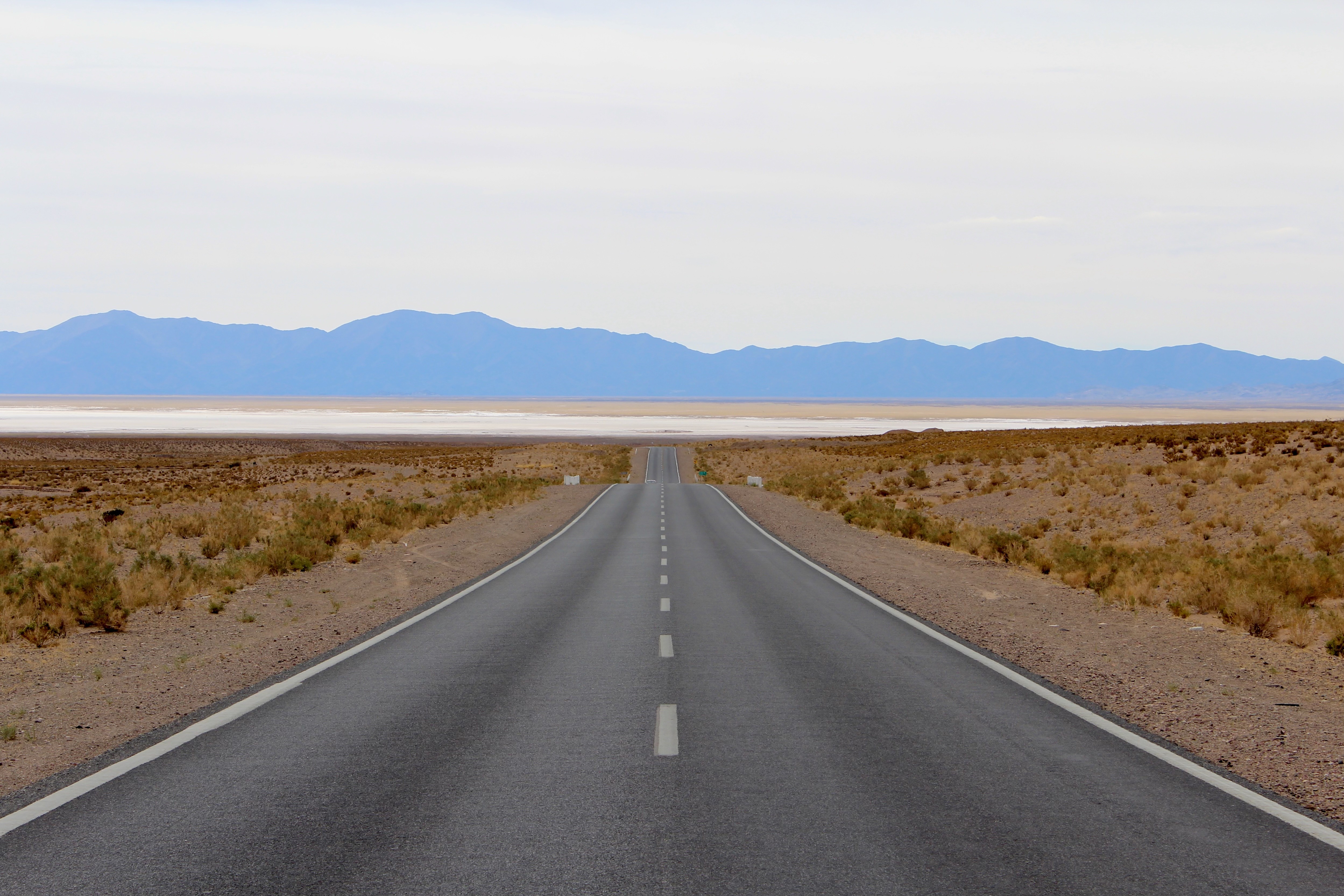
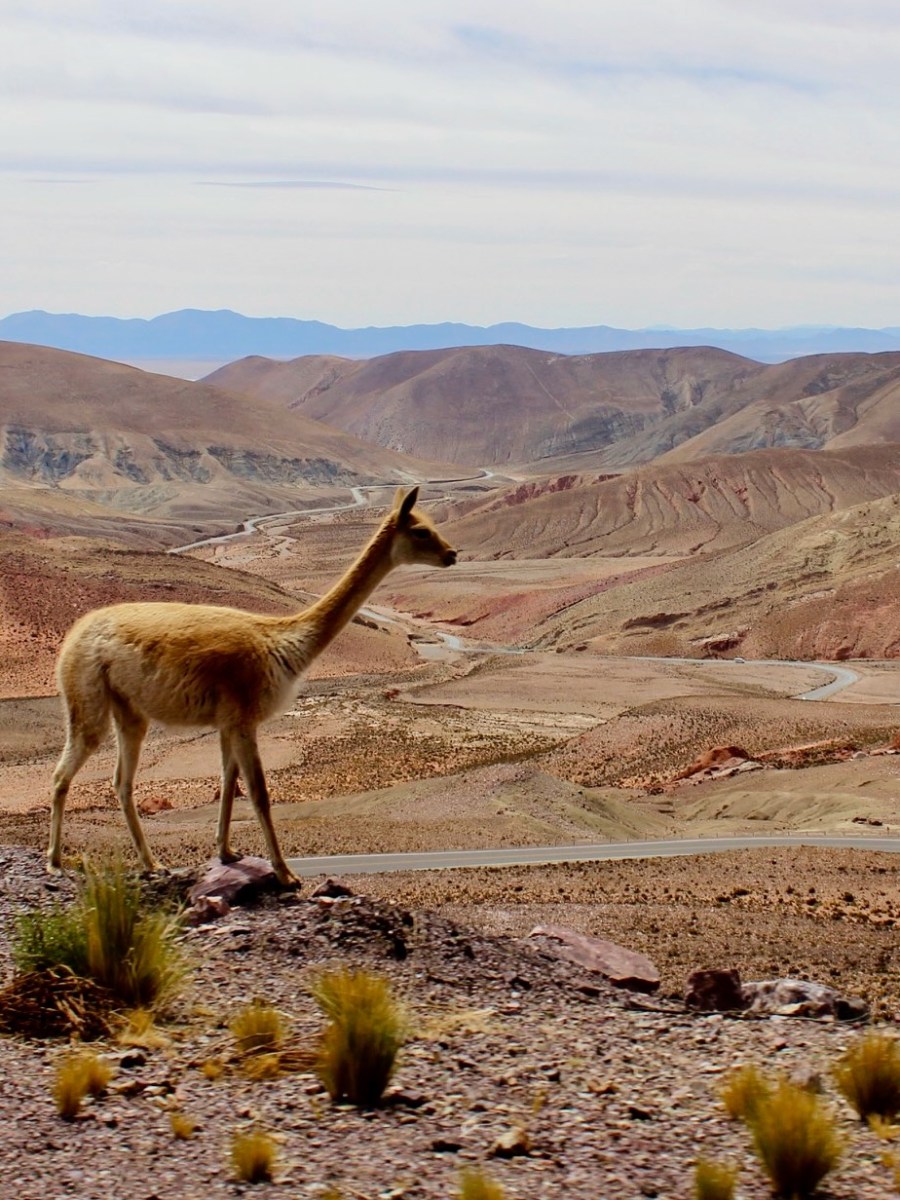
The native village of Purmamarca in the province of Jujuy is worth visiting for the backdrop alone. The Cerro de los Siete Colores towers out above town, where you can shop the handicraft markets for artisan souvenirs. Purmamarca is also the starting point for two very scenic drives. If you want to drive both, consider staying the night in Purmamarca. With time for just one drive, head west on Ruta Nacional 52 towards Chili. The road winds up 4,170 meters above sea level, past vicuñas and stunning scenery, before cutting through the enormous salt flats of Salinas Grandes.
Stay: Salta or Purmamarca


Optional Day: Quebrada de Humahuaca
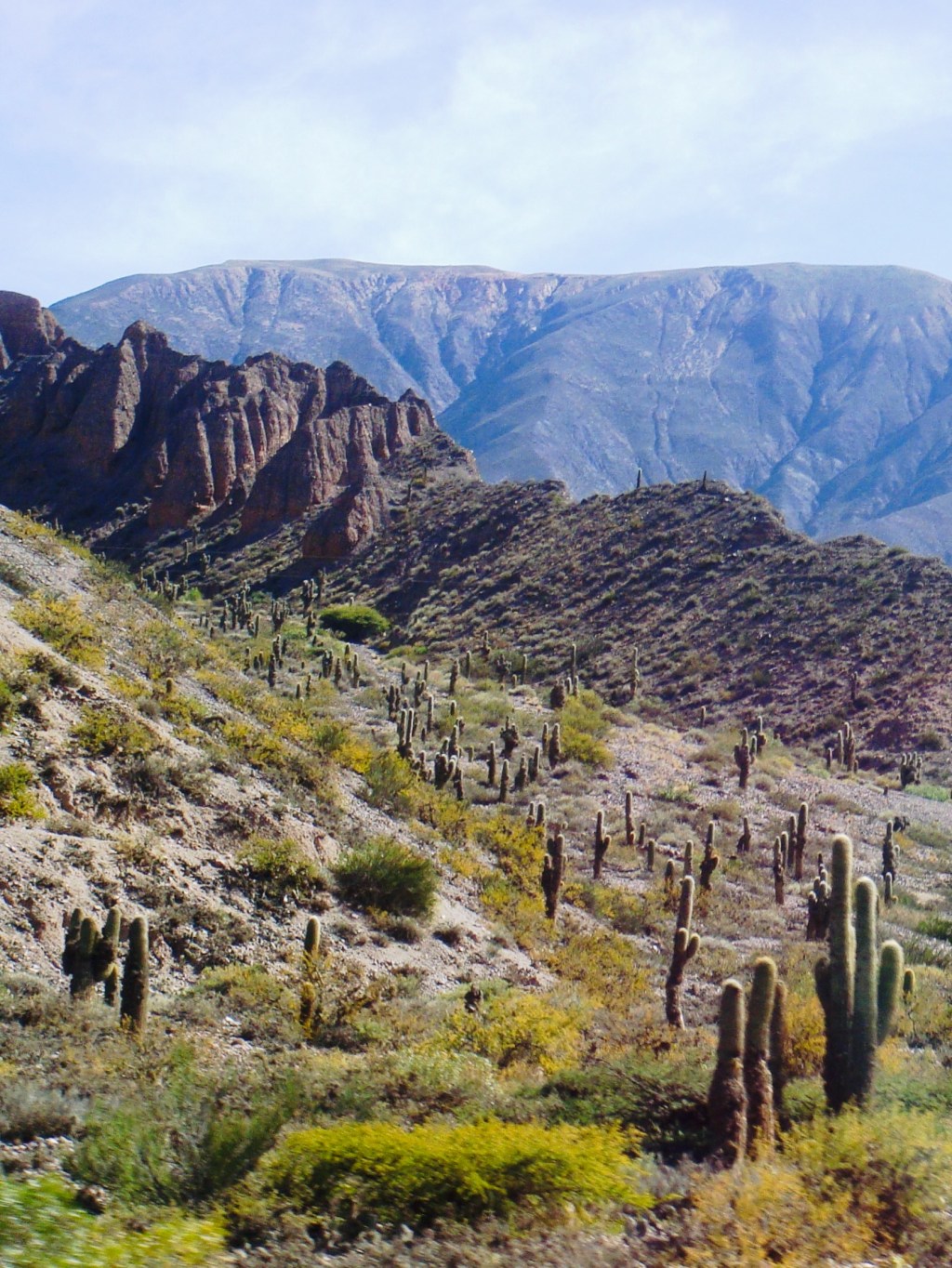
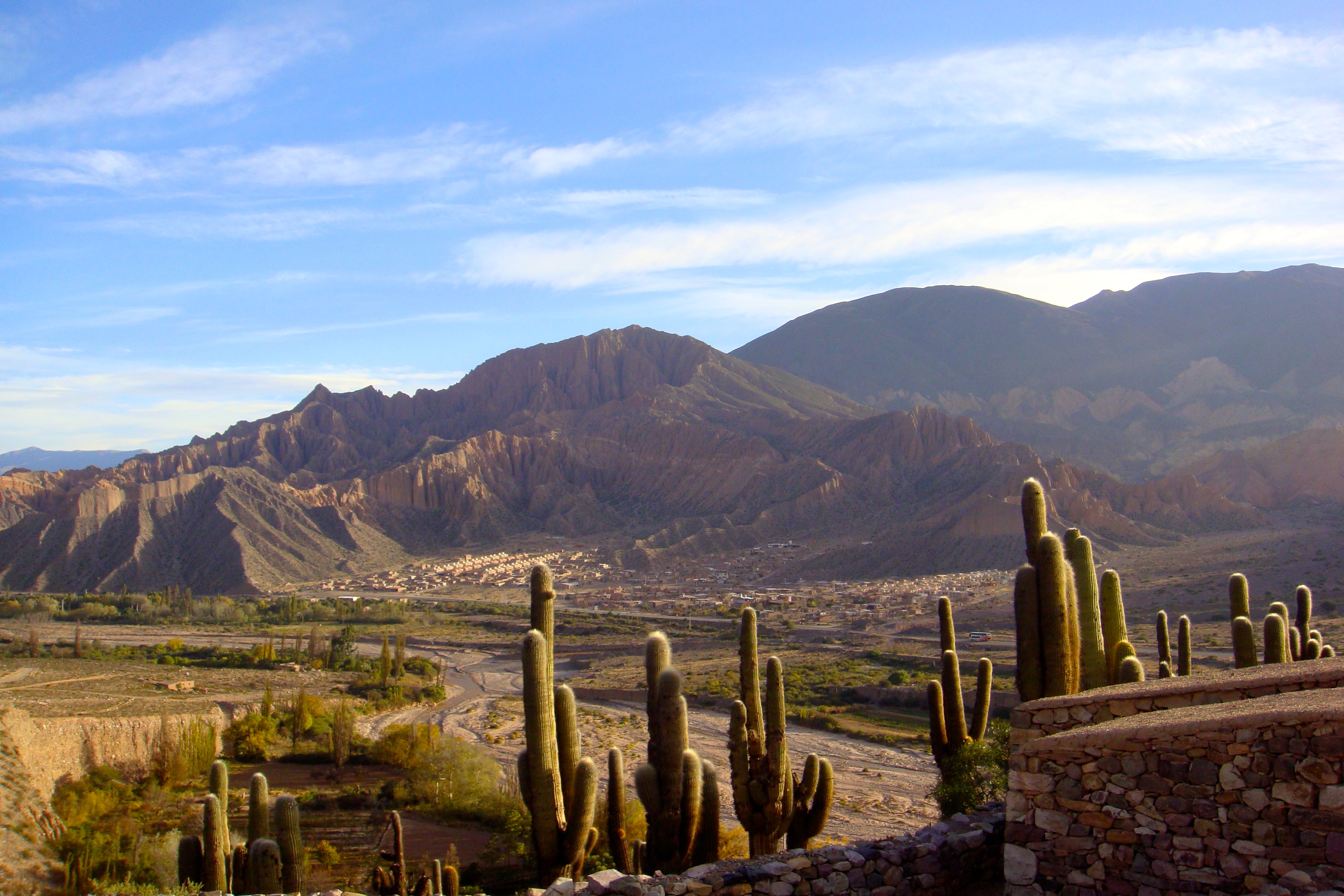
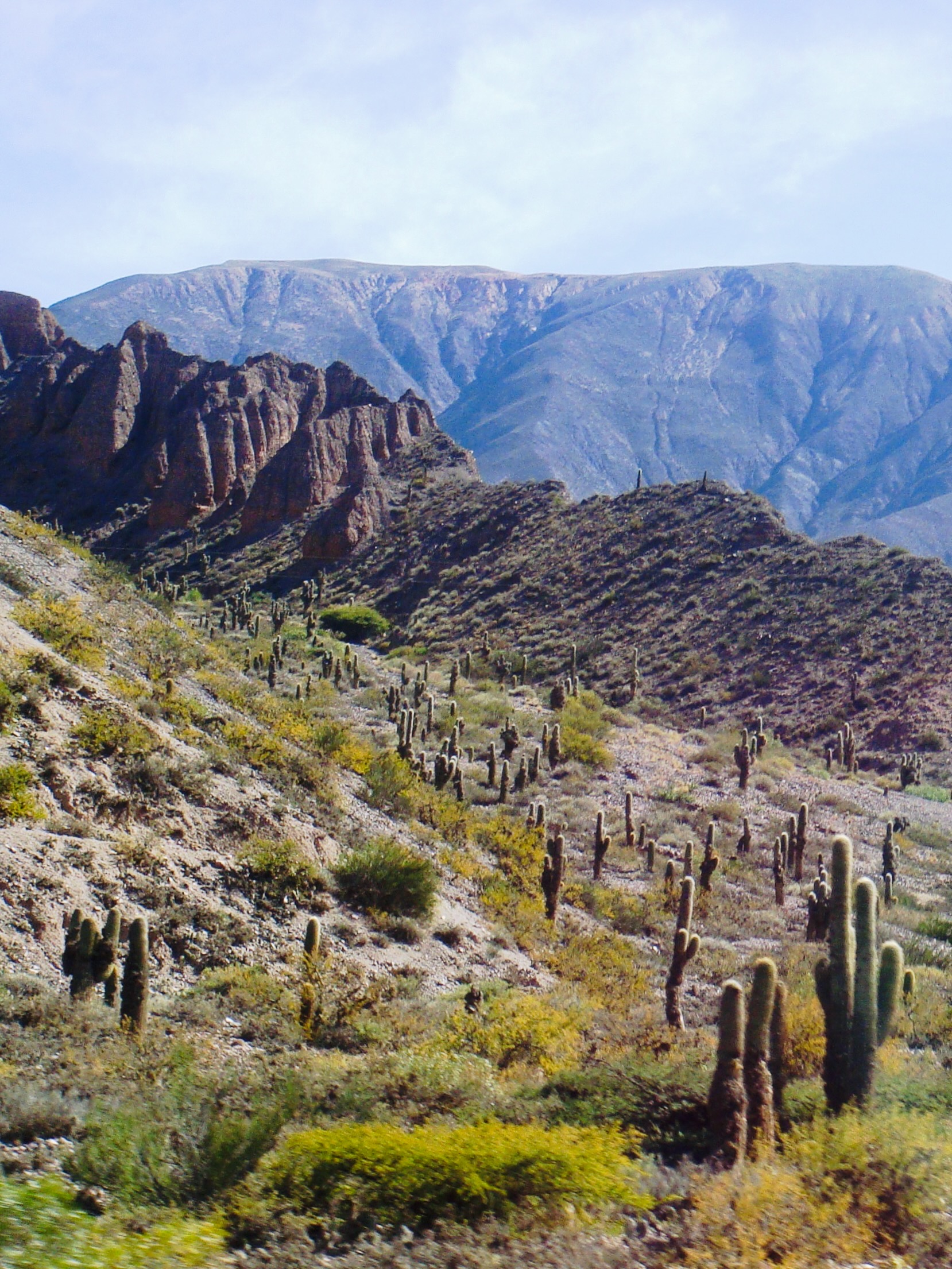
The second scenic drive travels from Purmamarca to Tres Cruces on Ruta Nacional 9. The Quebrada de Humahuaca follows the ancient Inca Road in an impressive mountain valley. Pass thousands of giant cacti as you wind through the valley, stopping at villages with ancient ruins along the way. The picturesque town of Humahuaca is the starting point of a brief sidetrack onto Route 73. After 16 miles on an unpaved road, you’ll reach the viewpoint of Argentina’s rainbow mountain, El Hornacal.
Stay: Salta

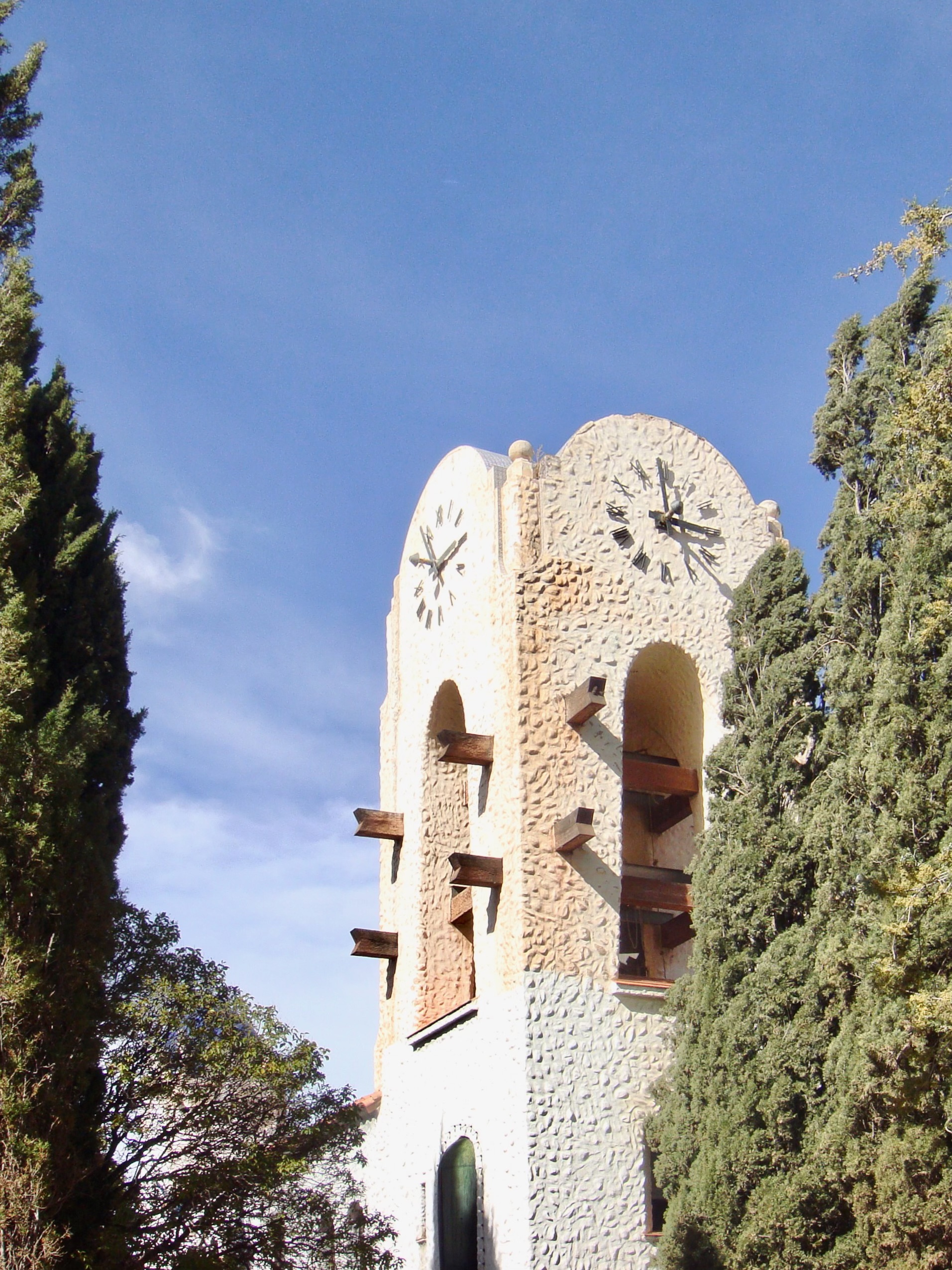

Day 10: Quebrada de las Conchas & Cafayate
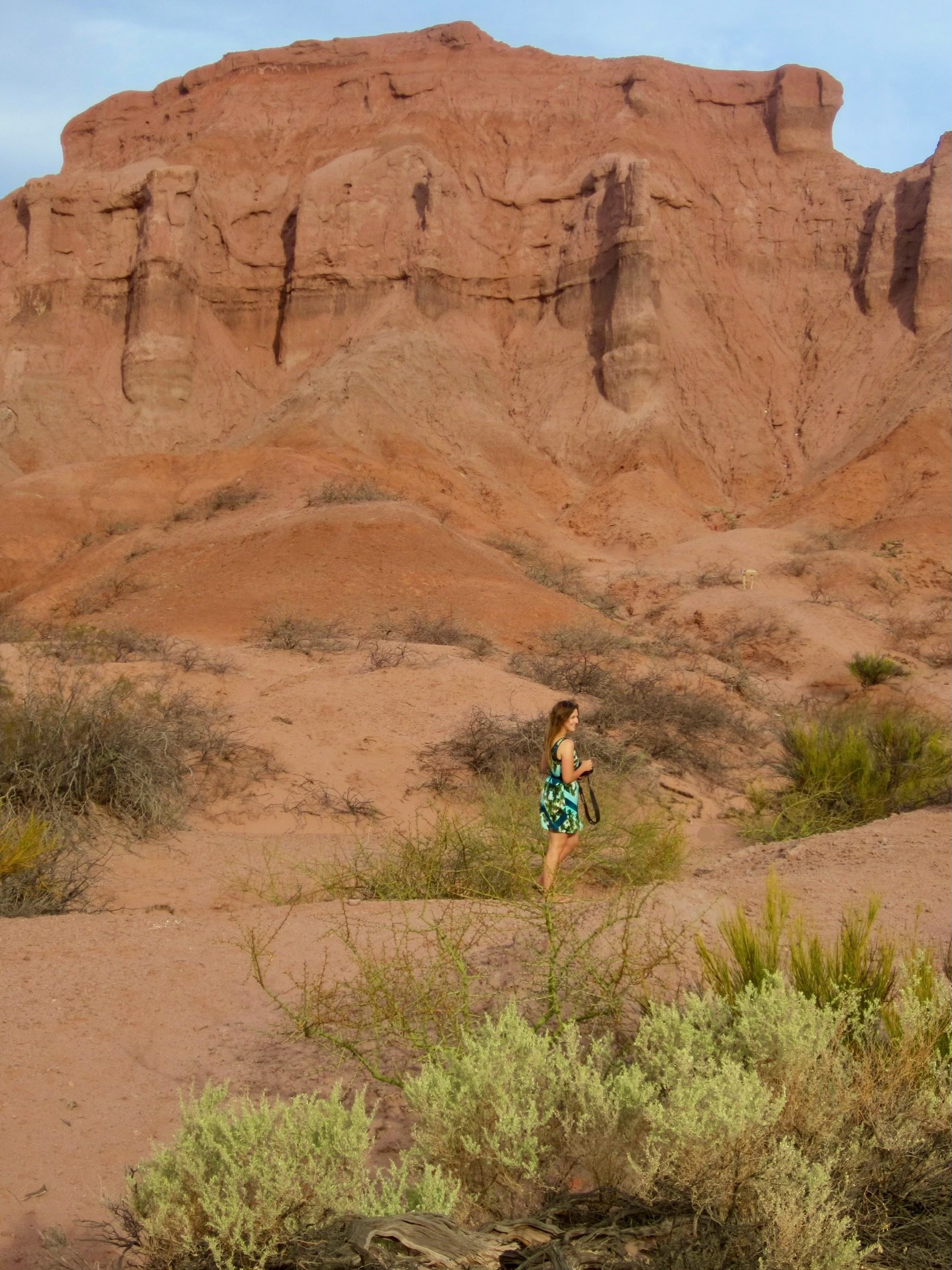
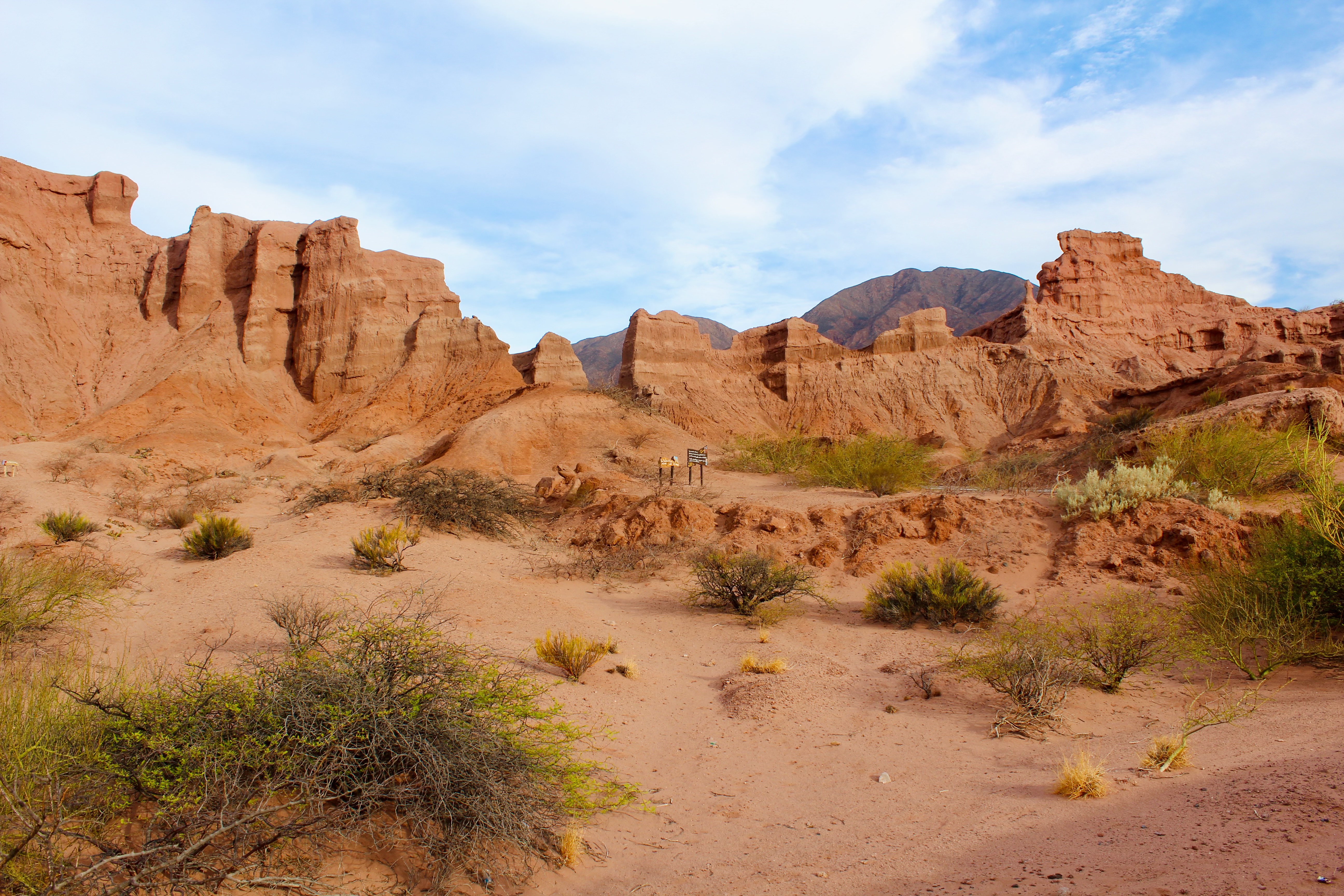
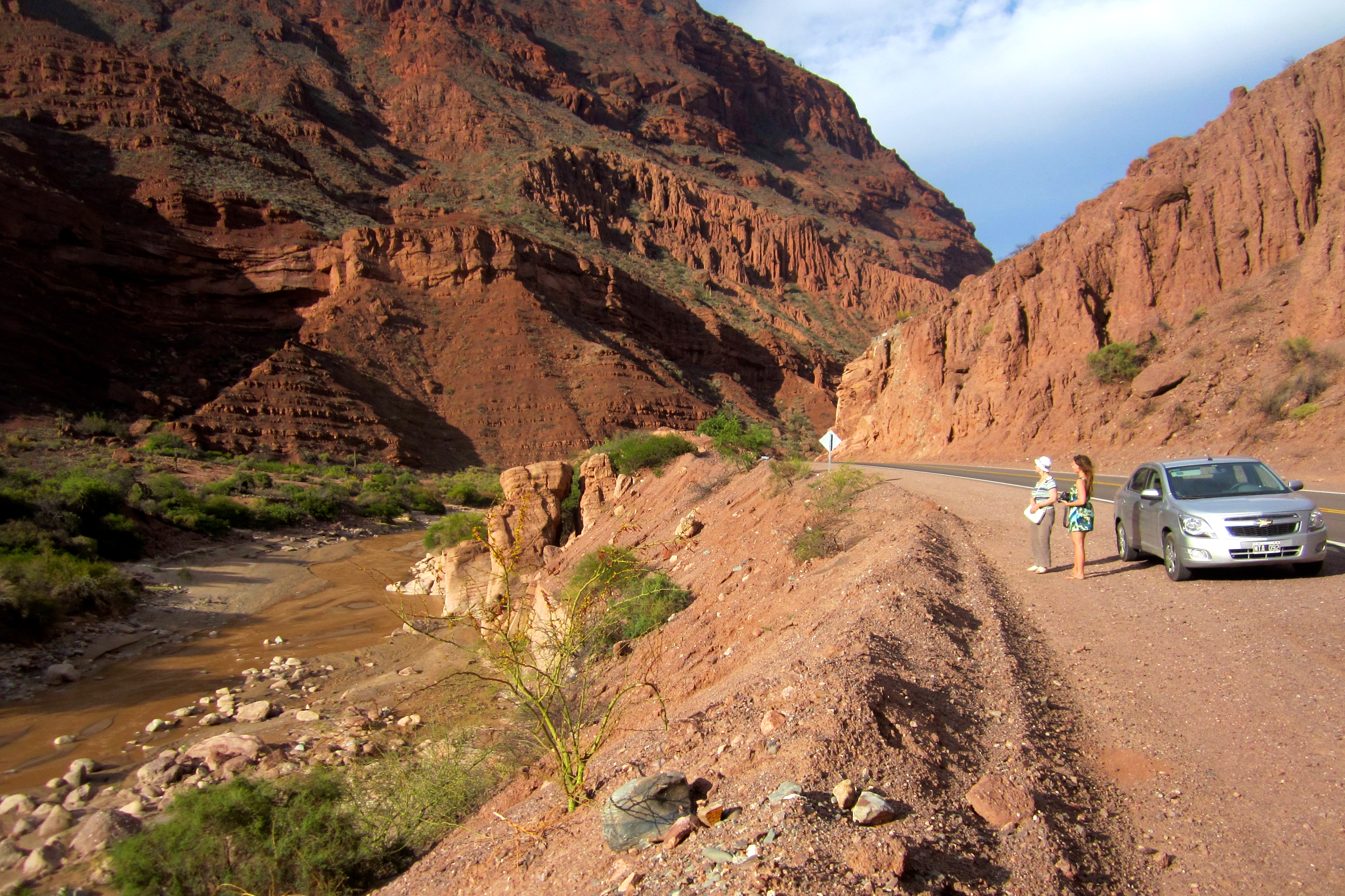
Part of the three-hour drive on Ruta Nacional 68 between Salta and Cafayate is known as the Quebrada de las Conchas. Driving through this spectacular red valley, you pass curious geological formations: the devil’s throat, the windows and the castles are just a few. Once you arrive in Cafayate, taste the region’s signature Torrontés wines. Finca Las Nubes and Piattelli Vineyards pair this refreshing white wine with panoramic views.
Stay: Cafayate

Day 11-14: The Cuyo – La Rioja, San Juan & Mendoza
Day 11: Wine tasting in La Rioja
On the seven-hour drive from Cafayate to La Rioja, you will enter wine country. The Cuyo is Argentina’s largest wine region, comprised of four provinces: La Rioja, San Juan, San Luis and Mendoza. Most tourists head straight for Mendoza, leaving La Rioja and the others to fly under the radar. The wineries are small-scale and look enchantingly rustic. Enjoy a tapeo at Bodega Sacavino Arrieta or a tasting at Bodega Artesanal Haras San José. The town of Villa Union is a good base to explore the natural parks in the area the following day.
Stay: Villa Unión

Day 12: Ischigualasto & Talampaya National Park
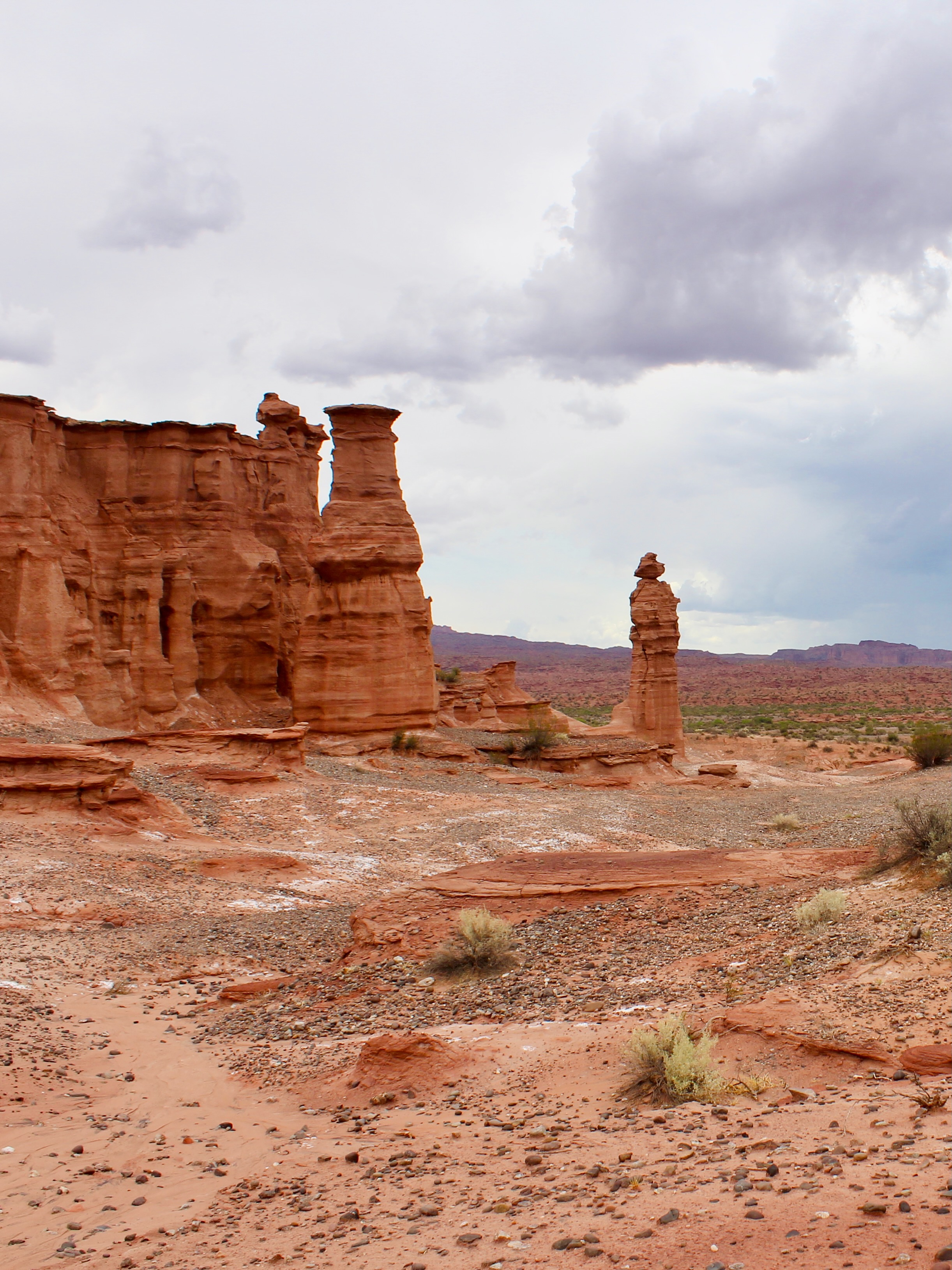
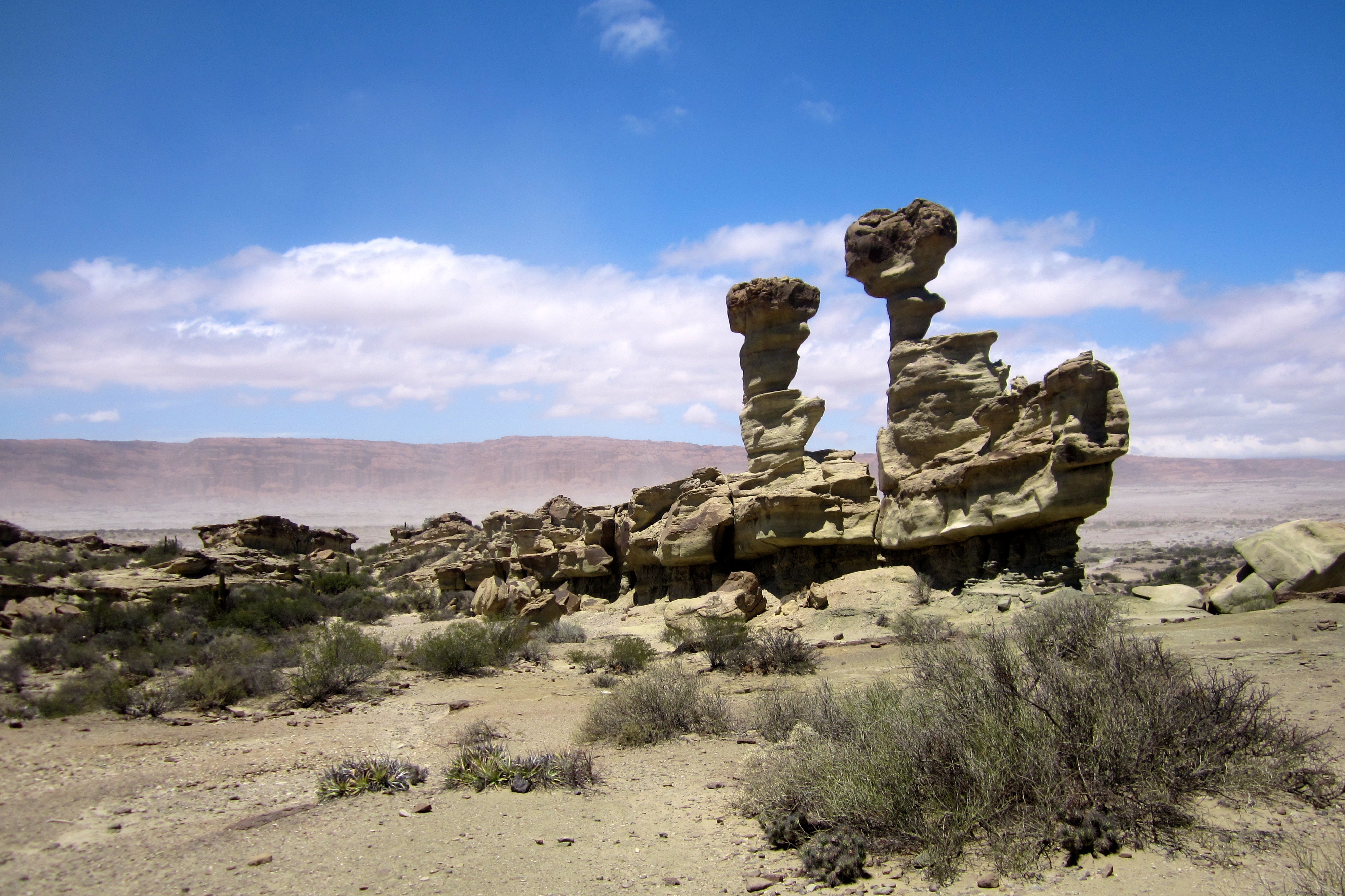
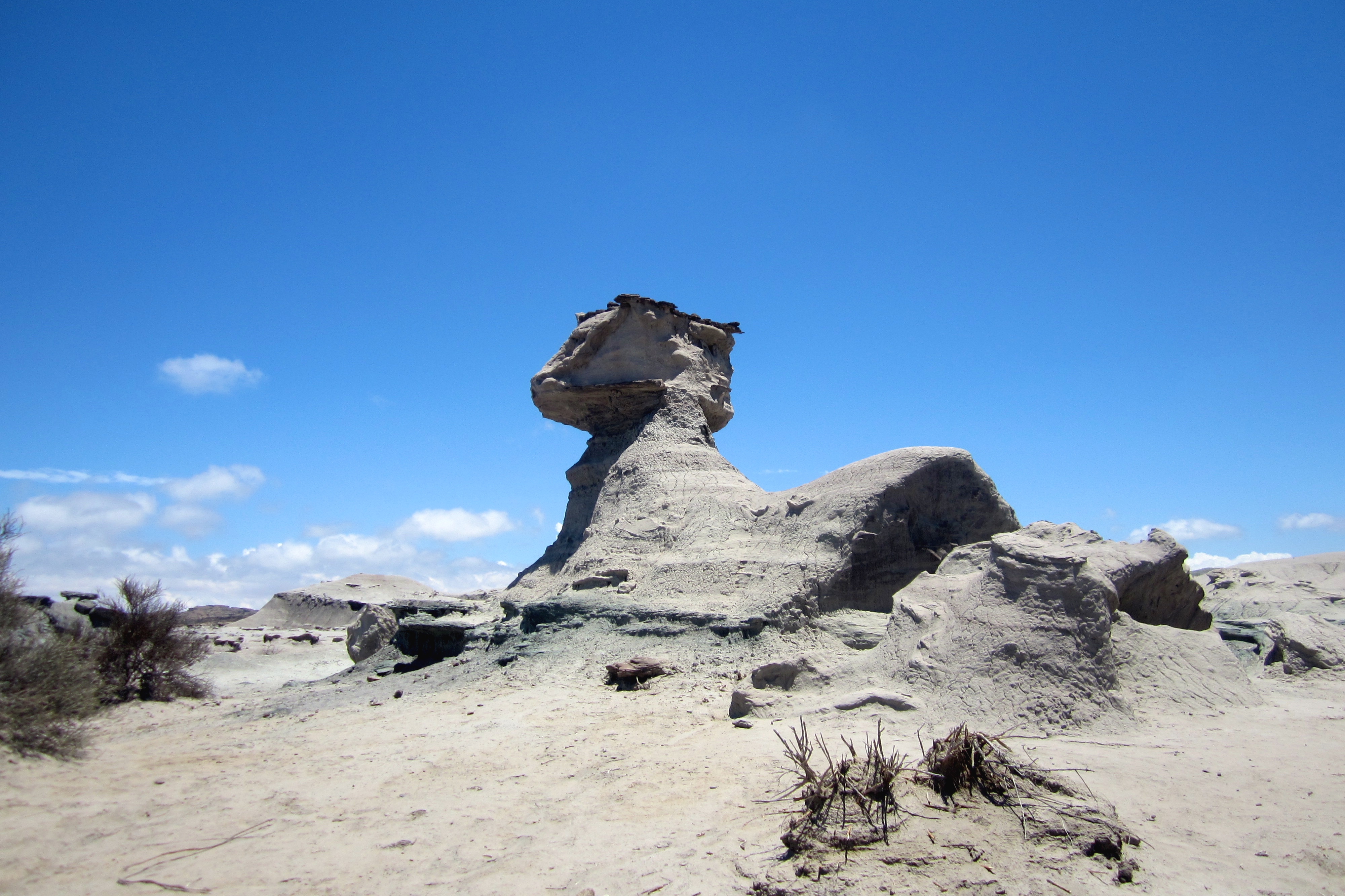
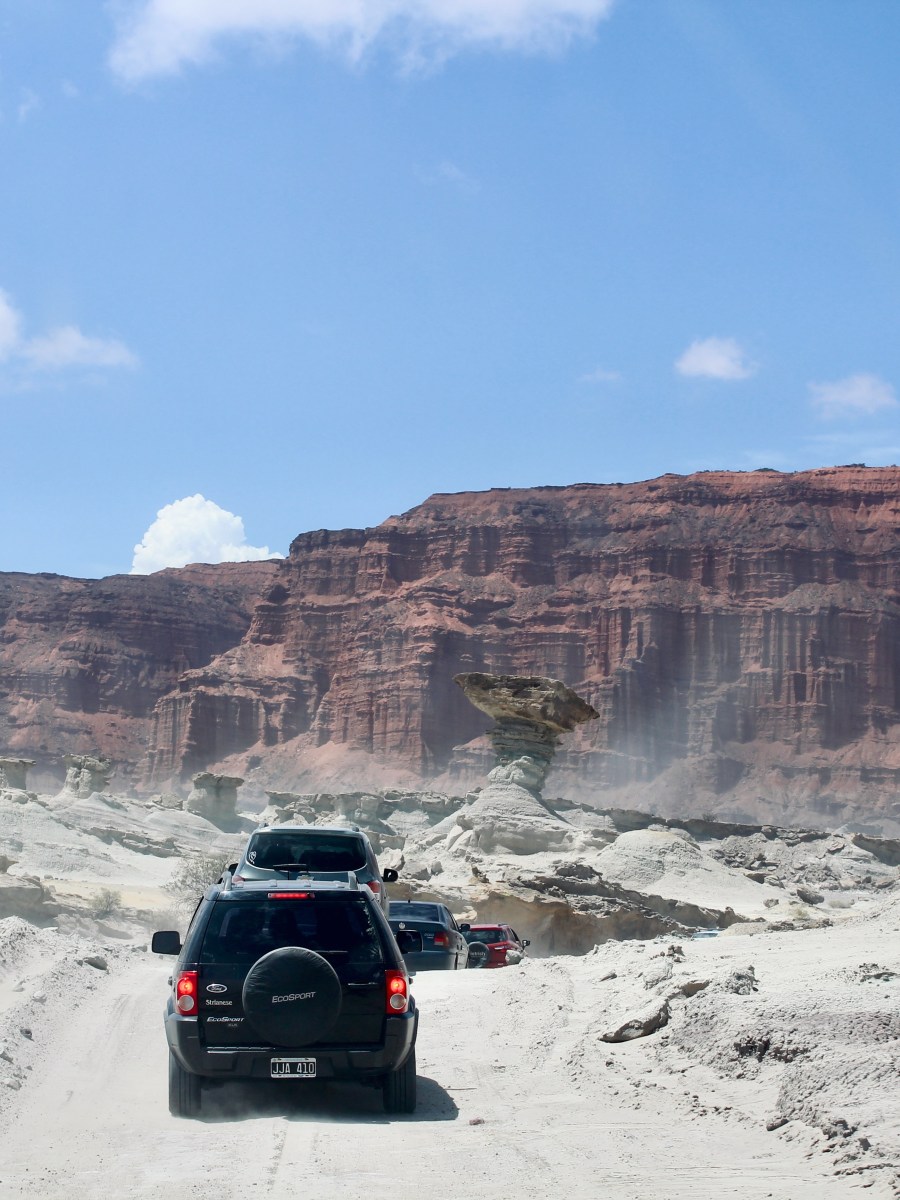
Both Ischigualasto and Talampaya National Park take you back to prehistoric times, but the scenery couldn’t be more different. The parks can only be visited on a guided tour, which can be booked upon arrival. In Talampaya, a panoramic 4×4 truck takes you through the red canyon, where dinosaur remains and petroglyphs were found. In Ischigualasto Provincial Park, you’ll get behind the weel in a convoy led by the park ranger. The out-of-this world landscapes result in the park’s nickname, Valle de la Luna. You can read my recount of visiting both parks here.
Stay: Villa Unión


Day 13: Maipú & Lujan de Cujo, Mendoza
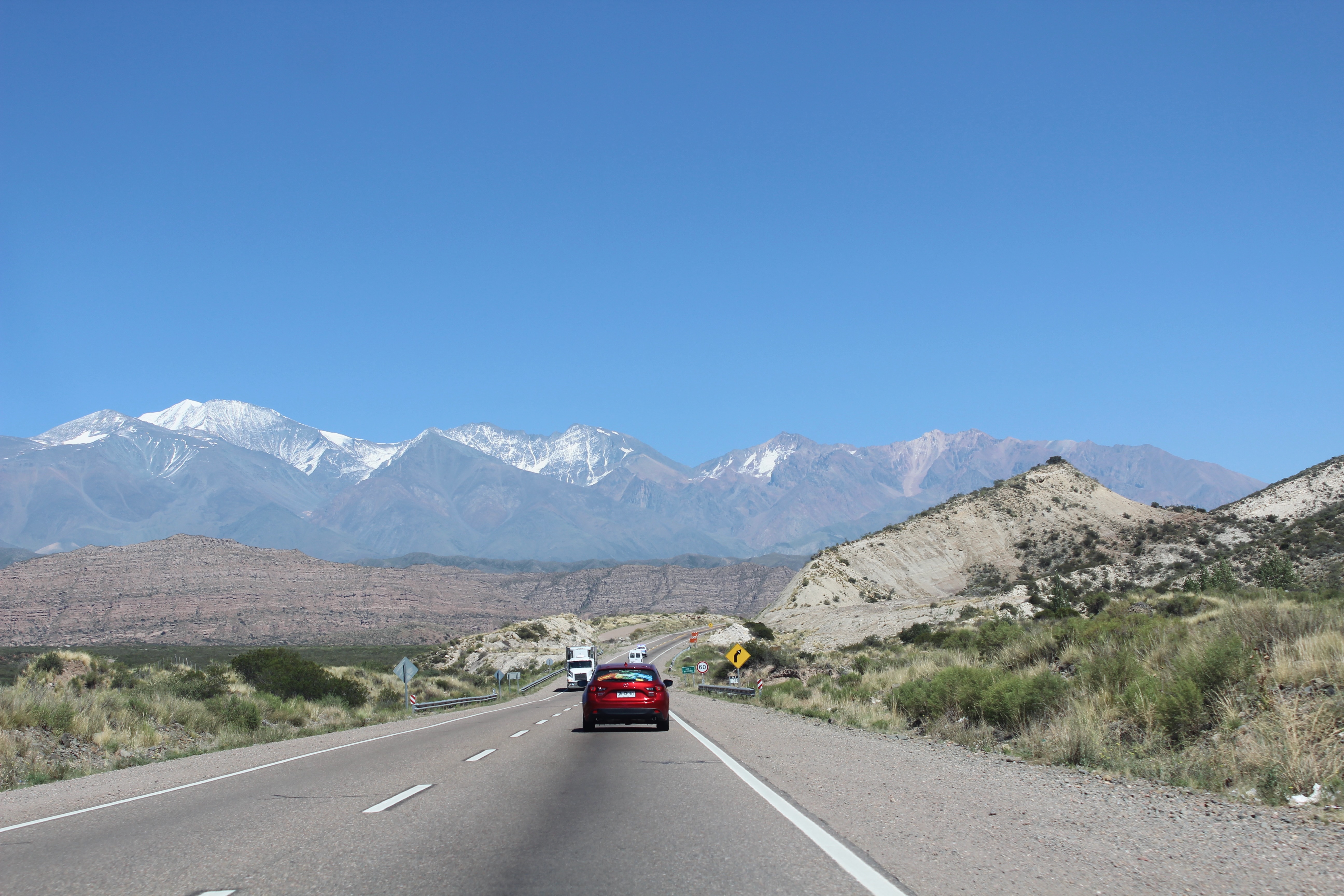
A six-hour drive through San Juan separates La Rioja from Argentina’s number one wine region. Mendoza is divided into three wine-producing subregions: Maipú, Lujan de Cujo and Valle de Uco. Maipú is located within the city of Mendoza, allowing to visit several of the – mostly family – wineries with little driving in between. On the outskirts of Mendoza city lies Lujan de Cujo, home to boutique wineries and hotels. Pick a winery or two to visit on the way south, before continuing to Valle de Uco for the night.
Stay: Valle de Uco


Day 14: Valle de Uco, Mendoza
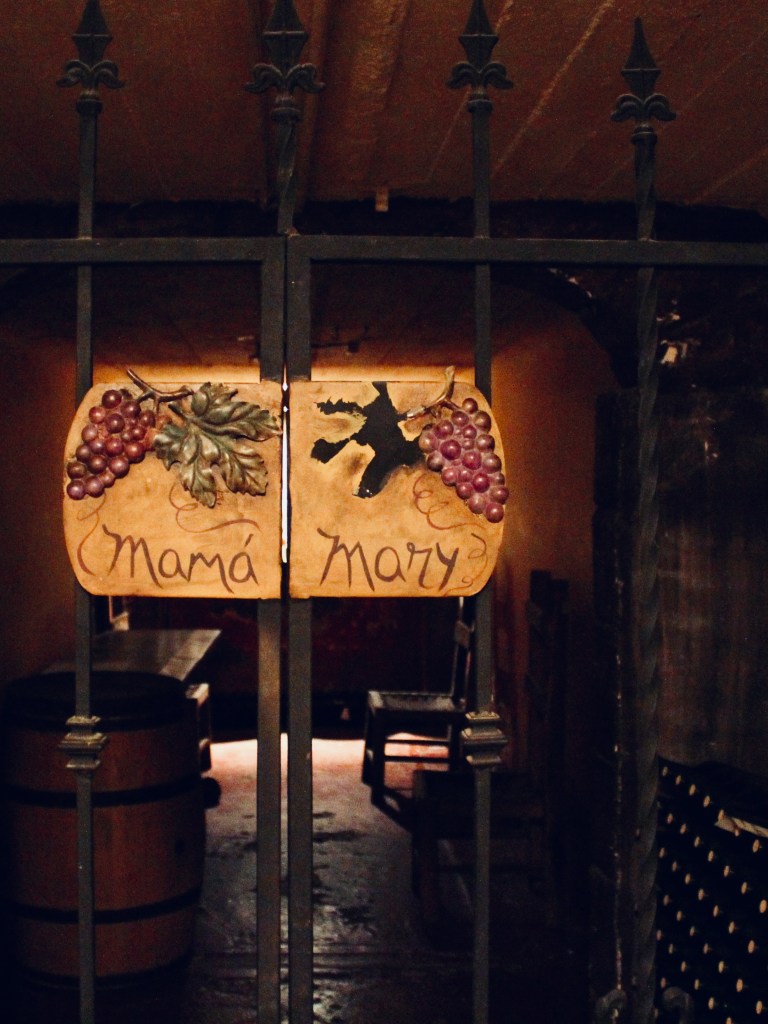
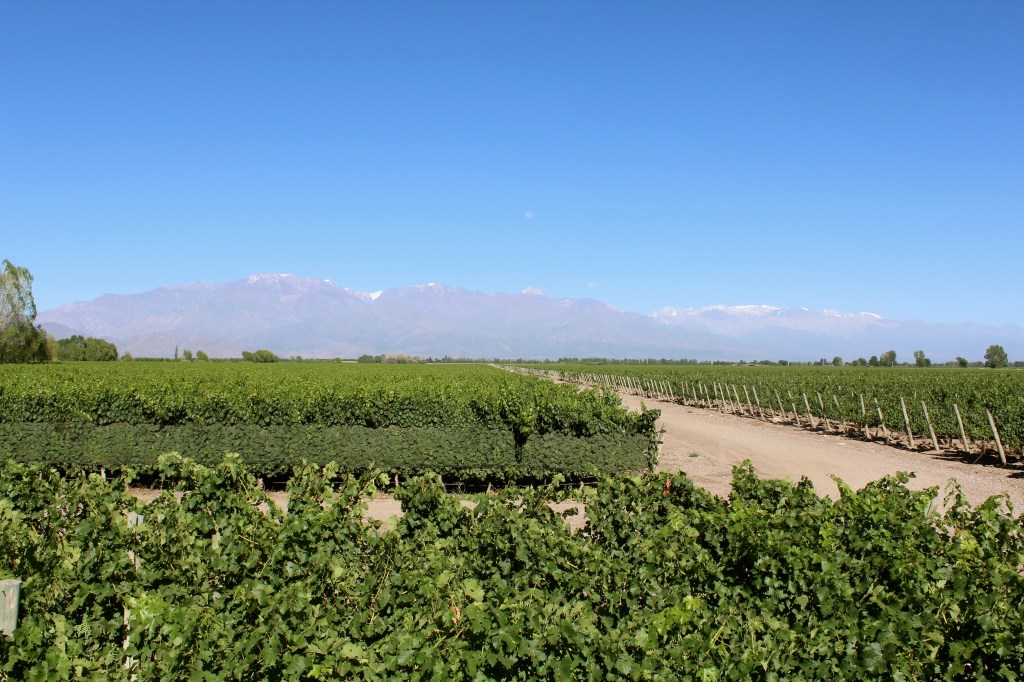
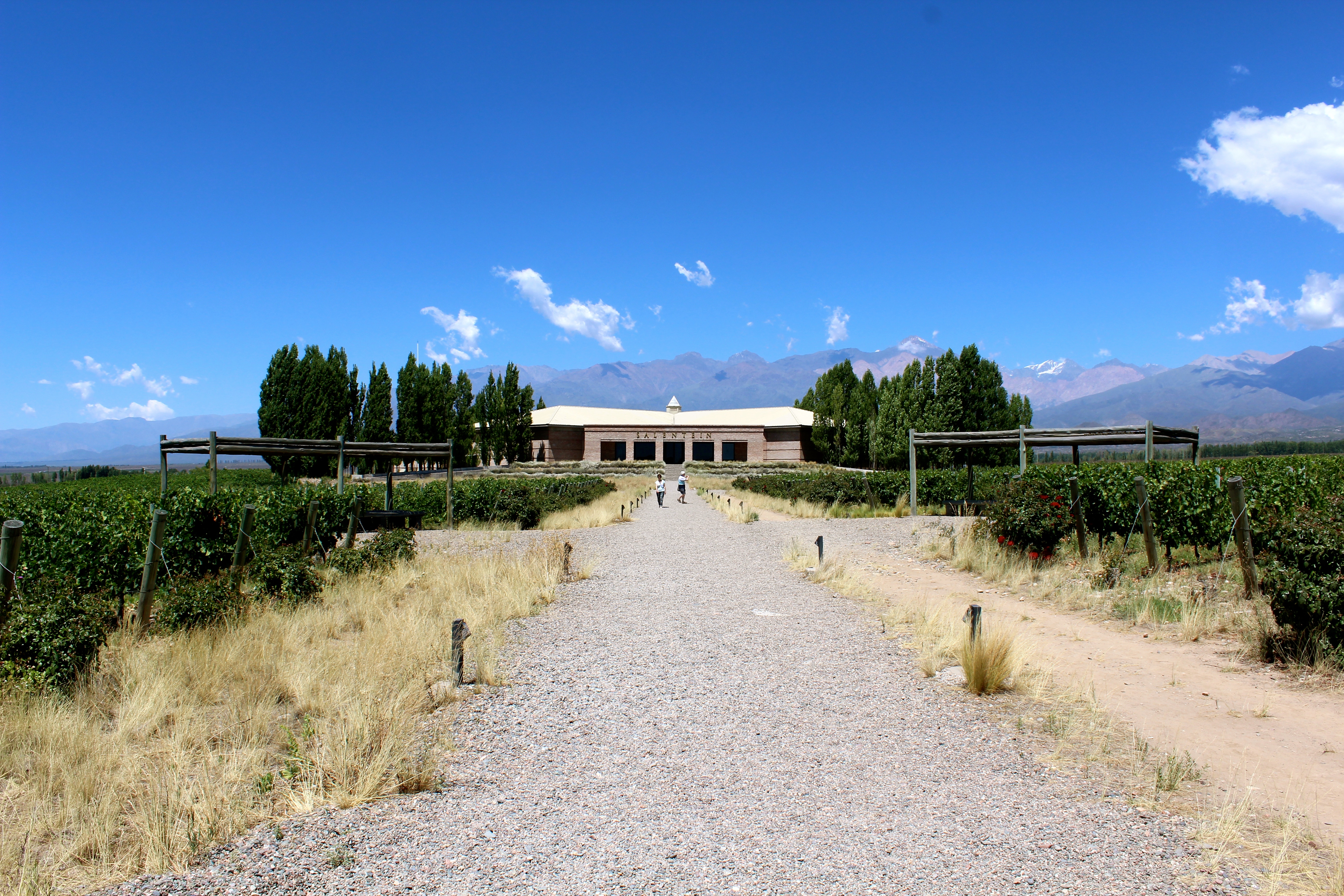
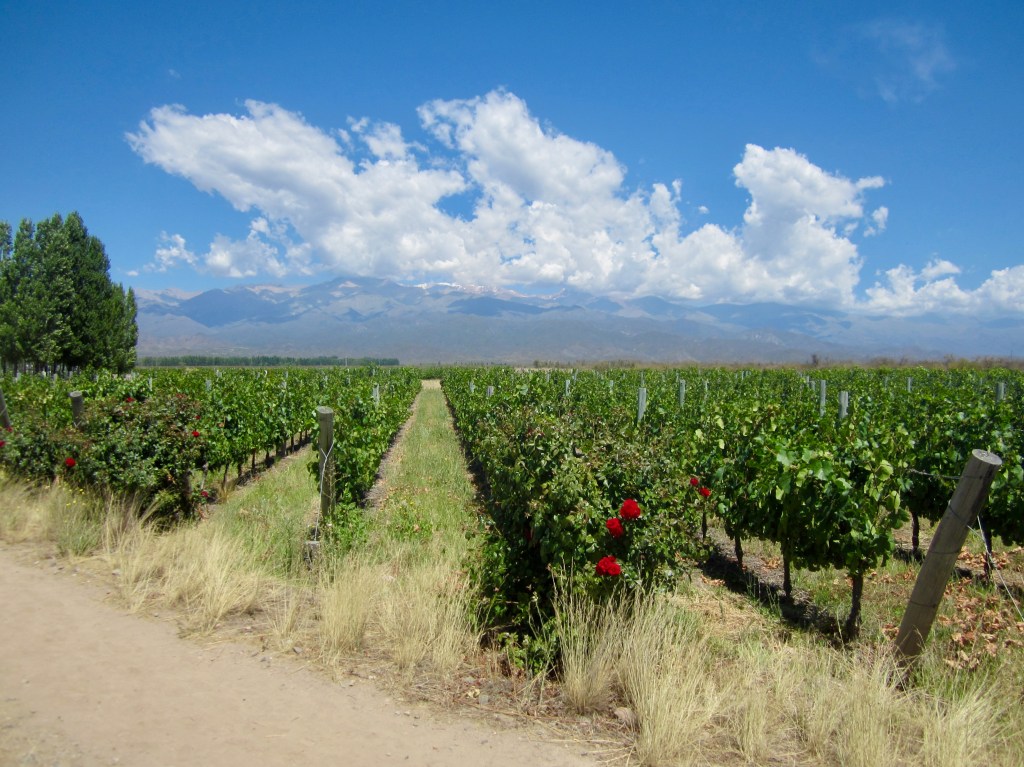
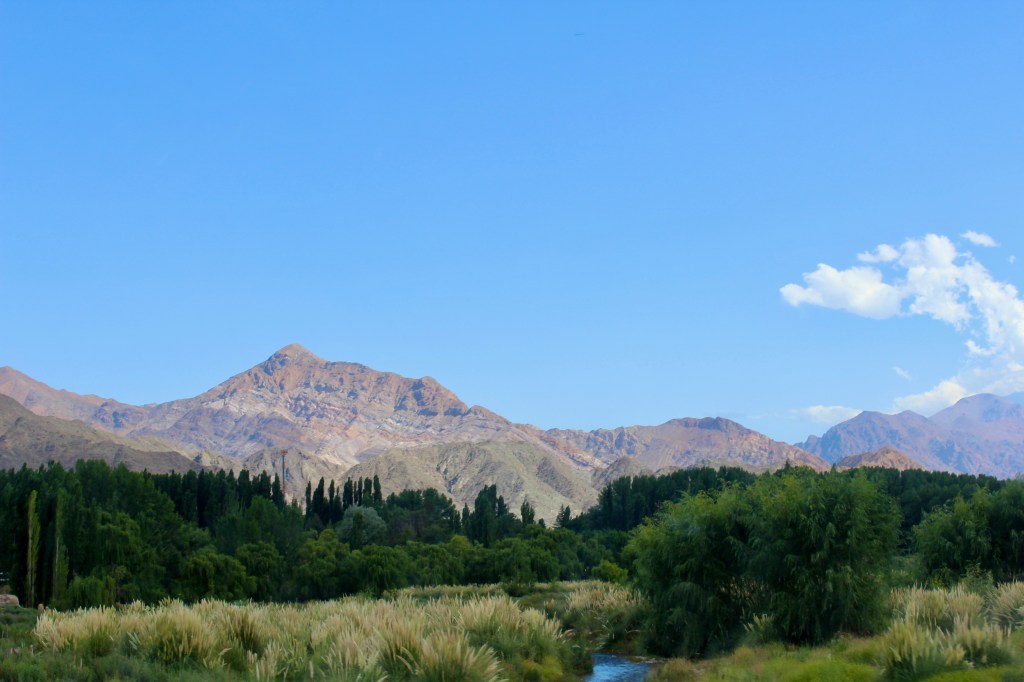
What sets Mendoza apart is its location at the foot of the Andes: on top of creating an optimal climate for viticulture, it results in a gorgeous backdrop. Mendoza is the Mecca of Malbec, and Valle de Uco produces some of the best. Bodega Salentein is consistently voted on the World’s Best Vineyards list. Stay at Posada La Celia, a historic guest house overlooking the vineyards of Finca La Celia. Getting spoiled with delicious meals and wines in this beautiful setting is the perfect way to wind down after two busy travel weeks.
Stay: Valle de Uco
Optional Day: Aconcagua Provincial Park
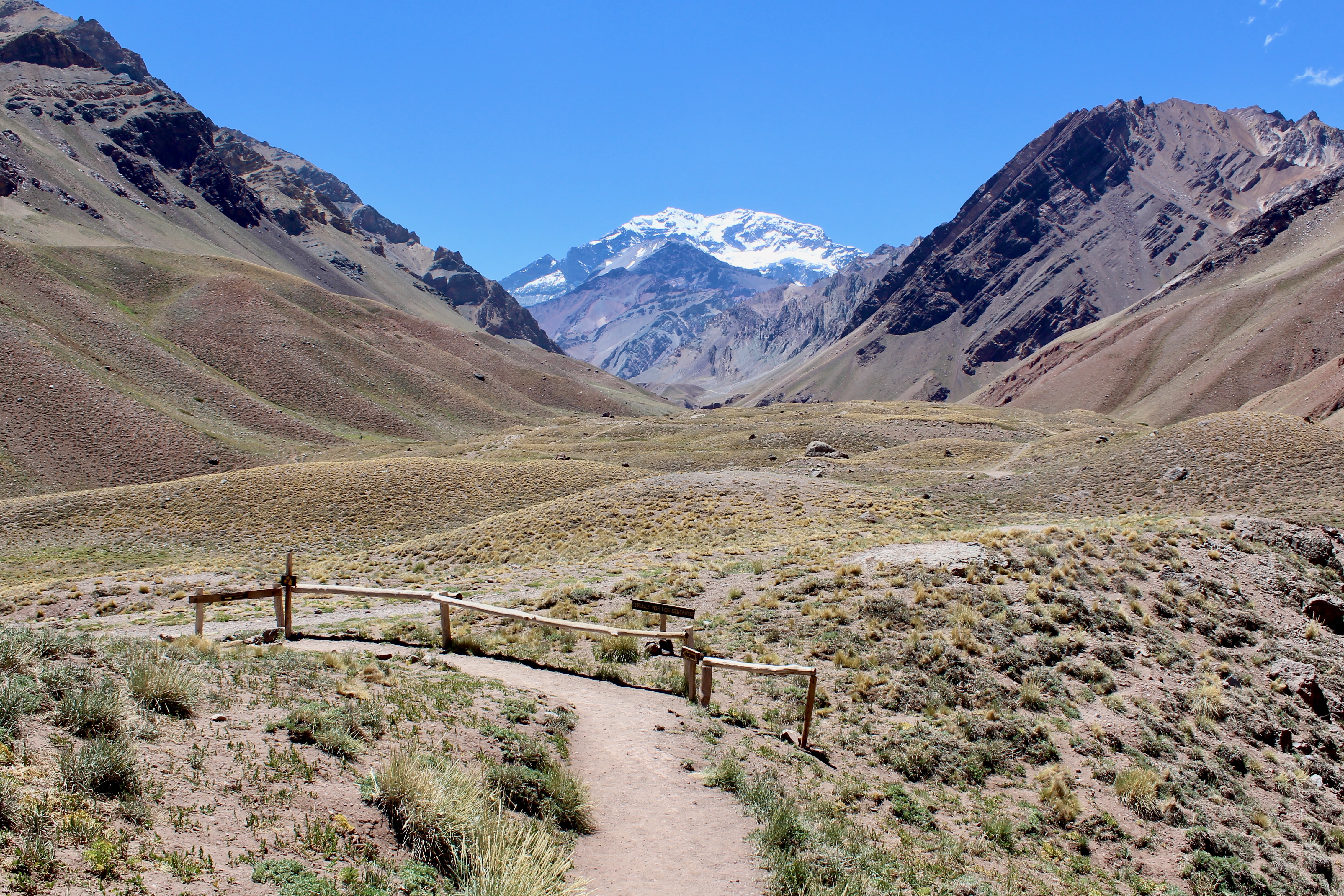
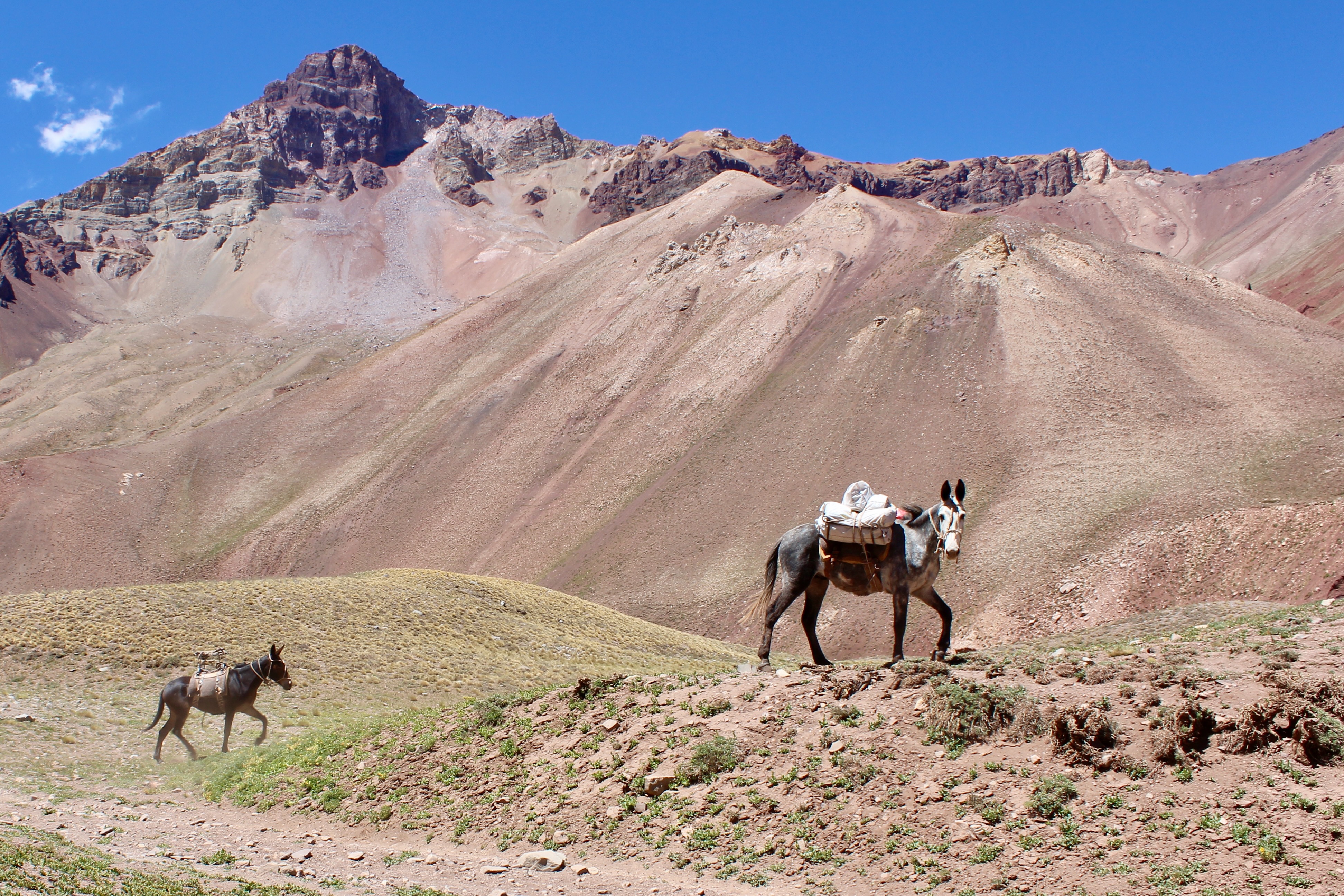
After admiring the Andes from afar, you might be ready to get up close. The entrance to the Aconcagua Provincial Park is located on the border with Chili, at 2,700 meters above sea level. Even if you don’t intend to conquer the highest peak outside of Asia, there are several great trails to admire the 6,962-meter tall Aconcagua. The drive to the park takes five hours round-trip from Mendoza, but the stunning panoramas along the way make it worth every mile.
Stay: Valle de Uco


Day 15: Return to Buenos Aires
From Mendoza, tackle the seven-hour drive back to Córdoba where you’ll return the rental car. Direct flights between Córdoba and Buenos Aires operate almost hourly, priced between 50 and 100 USD one-way. The capital is the end point of this busy two-week itinerary in the northern half of Argentina. As the eight biggest country in the world, spending a lot of time on the road is unavoidable. But the journey is part of the destination in this incredibly diverse country.


Related Posts

Argentina vs. Brazil: One Day Visiting Both Sides of Iguazú National Park
This post covers our full day exploring Iguazú Falls from both countries and a visit to the nearby world heritage site of San Ignacio Miní.
Road Trips in Argentina’s Northwest: 3 Spectacular Drives from Salta
The road is the destination on Ruta Nacional 52, Quebrada de Humahuaca and Quebrada de las Conchas, three spectacular drives in Argentina’s Northwest.

The ABC of Argentina: 26 Reasons To Pack Your Bags
Argentina is where the exploring started for me. I spent a year living the everyday Argentinian life like a local. These are 26 amazing aspects of that (small town) life.

A Perfect 3-Day Itinerary in Mendoza, Argentina
This relaxed 3-day itinerary in Mendoza includes visits to 4 wineries, a stunning vineyard stay and an escape to the Andes mountains.
Chasing Dinosaurs & Dakar: Visit Valle de la Luna and Talampaya in Argentina
Travel to the Age of the Dinosaurs in Valle de la Luna and Talampaya National Park, two stunning parks located off-the-beaten-path in Argentina’s Cuyo.
 Klara the Explorer
Leave a comment