

Visiting Big Bend National Park is always an adventure, thanks to its remote location in Far West Texas. Once you do make it, you might not want to leave. This guide rounds up how to get to Big Bend, where to stay and the best things to do in each area of the park.
Table of Contents
Getting There
Big Bend is located on the border with Mexico in West Texas. Flying into the closest airport of Midland still entails a four-hour drive to the park entrance. Big airports like Dallas or San Antonio are an eight-hour drive away, and Houston clocks in at ten hours. But don’t let these distances discourage you: not only is Big Bend’s remoteness part of its charm, the drive from any of these Texas cities makes for a great road trip.
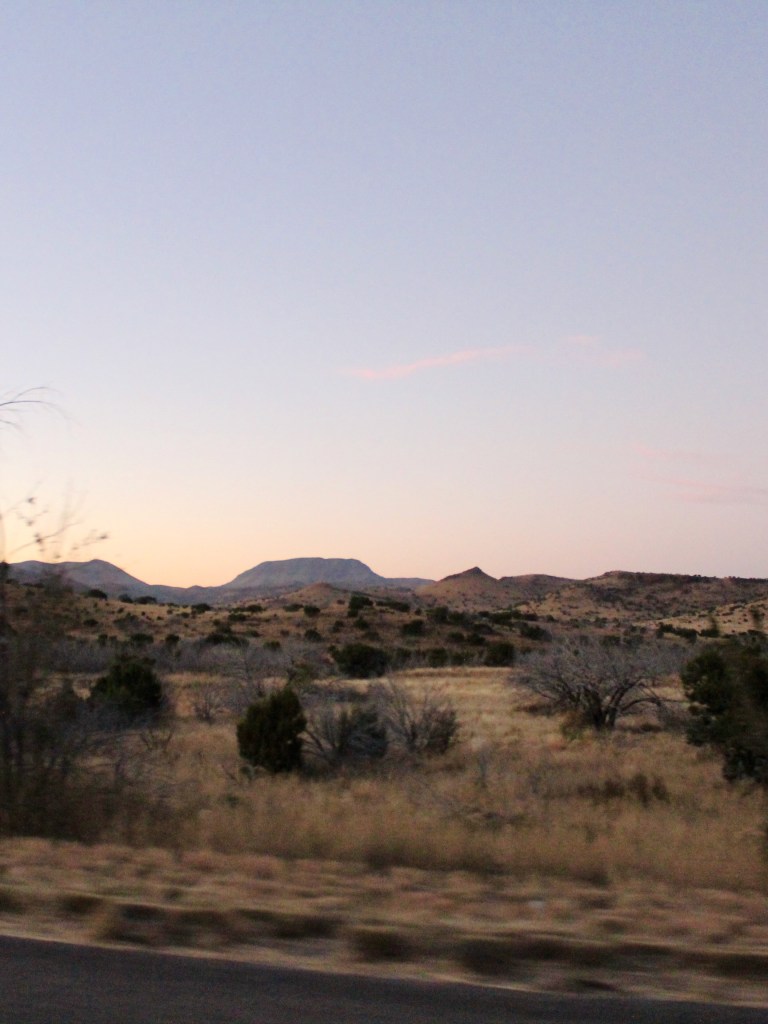
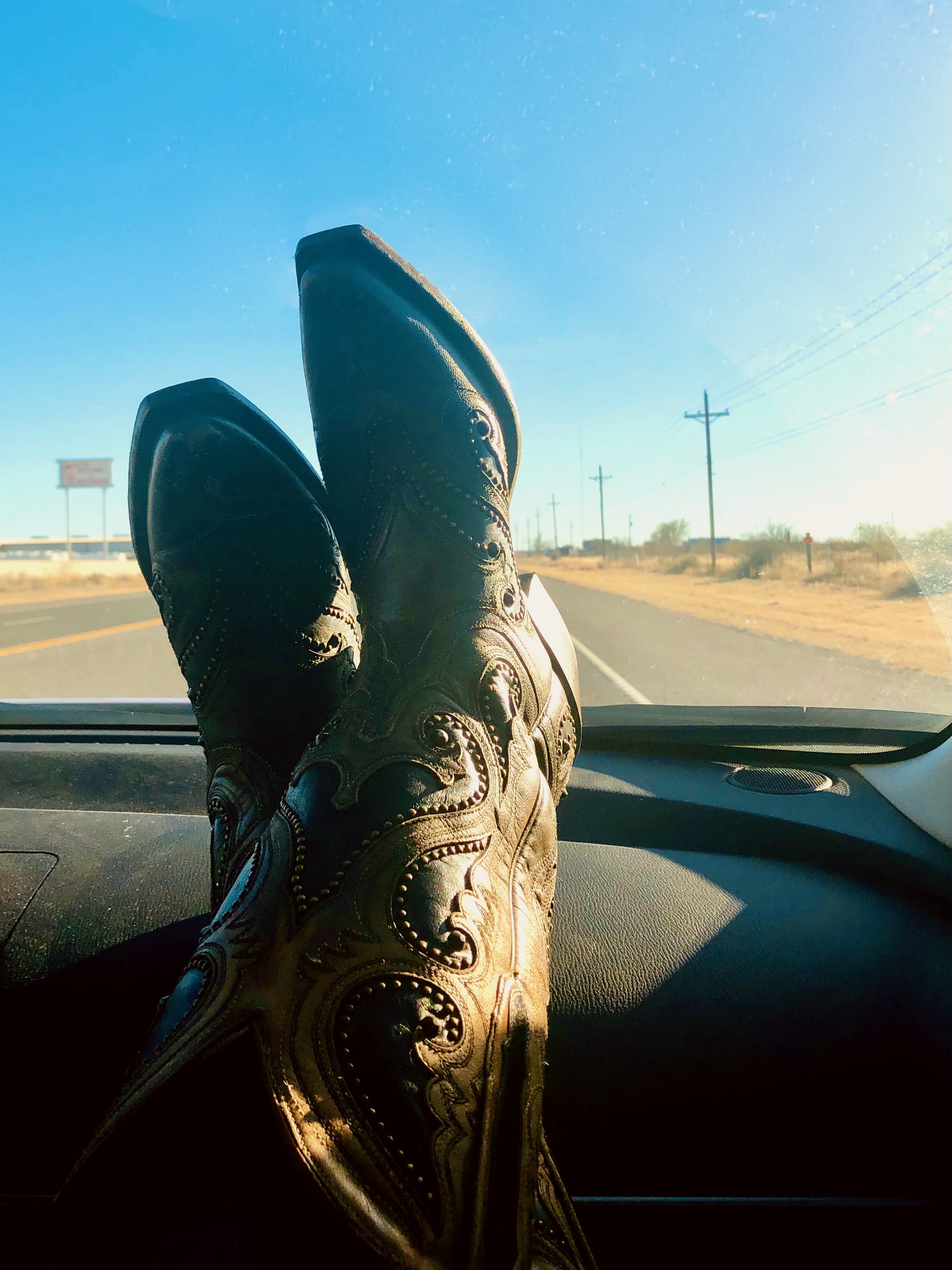
My first trip to Big Bend was a memorable road trip from Houston, with stops in Austin, Marfa, San Antonio and some ghost towns along the way. You can find the itinerary here. The second time around, we drove from Dallas with an overnight stop in Marfa. This quirky town has become a famous off-the-grid destination and is worth the short detour.


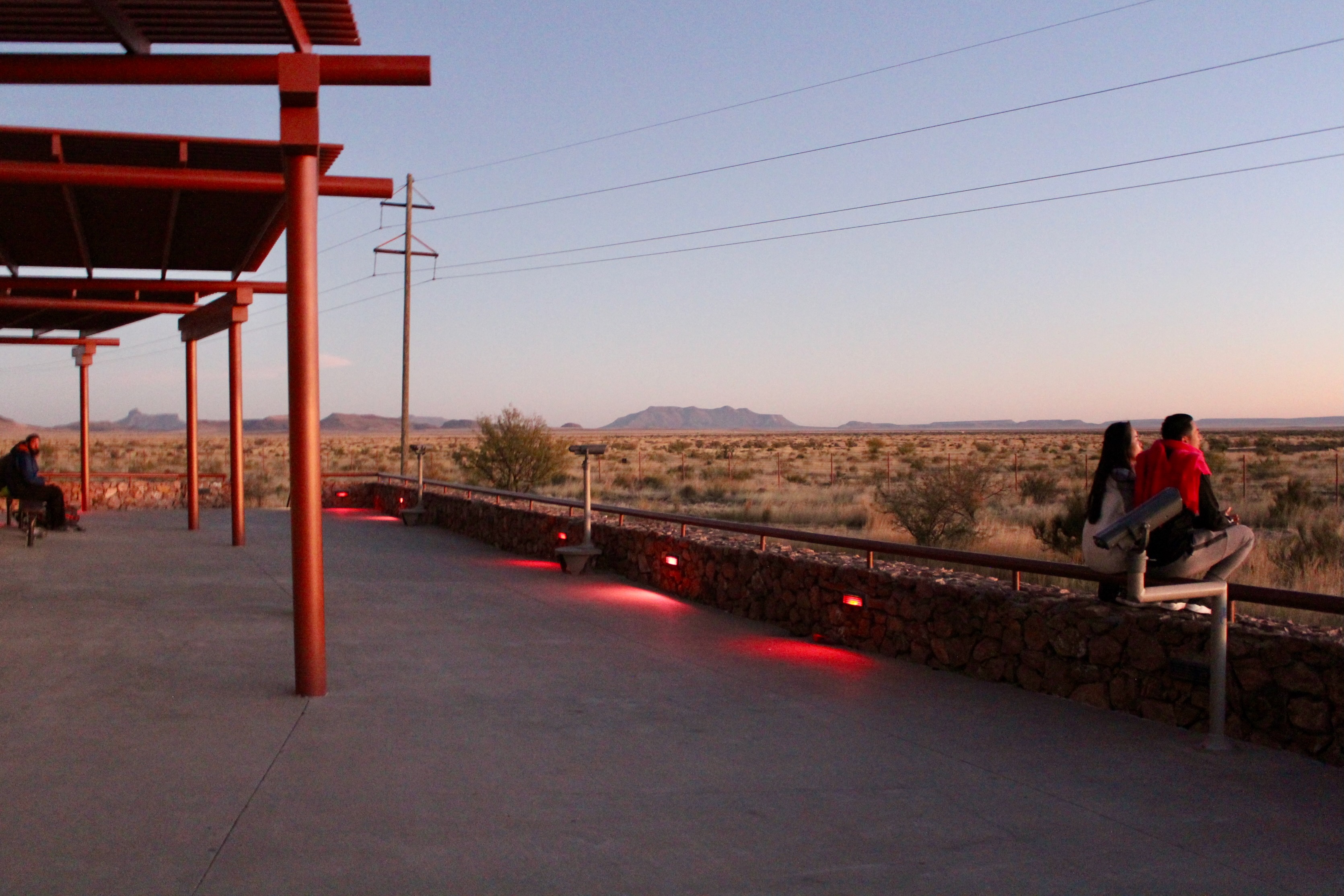
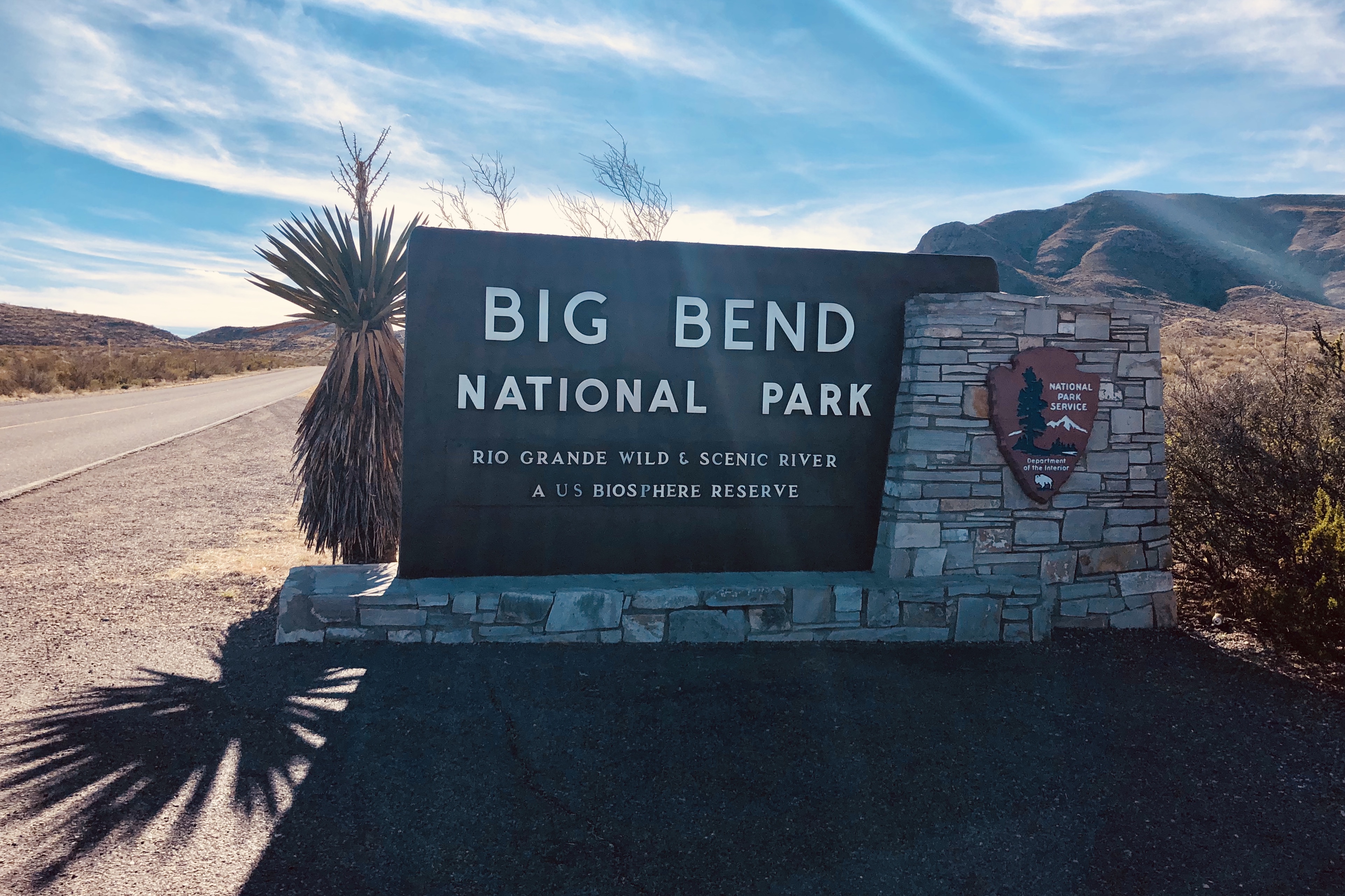
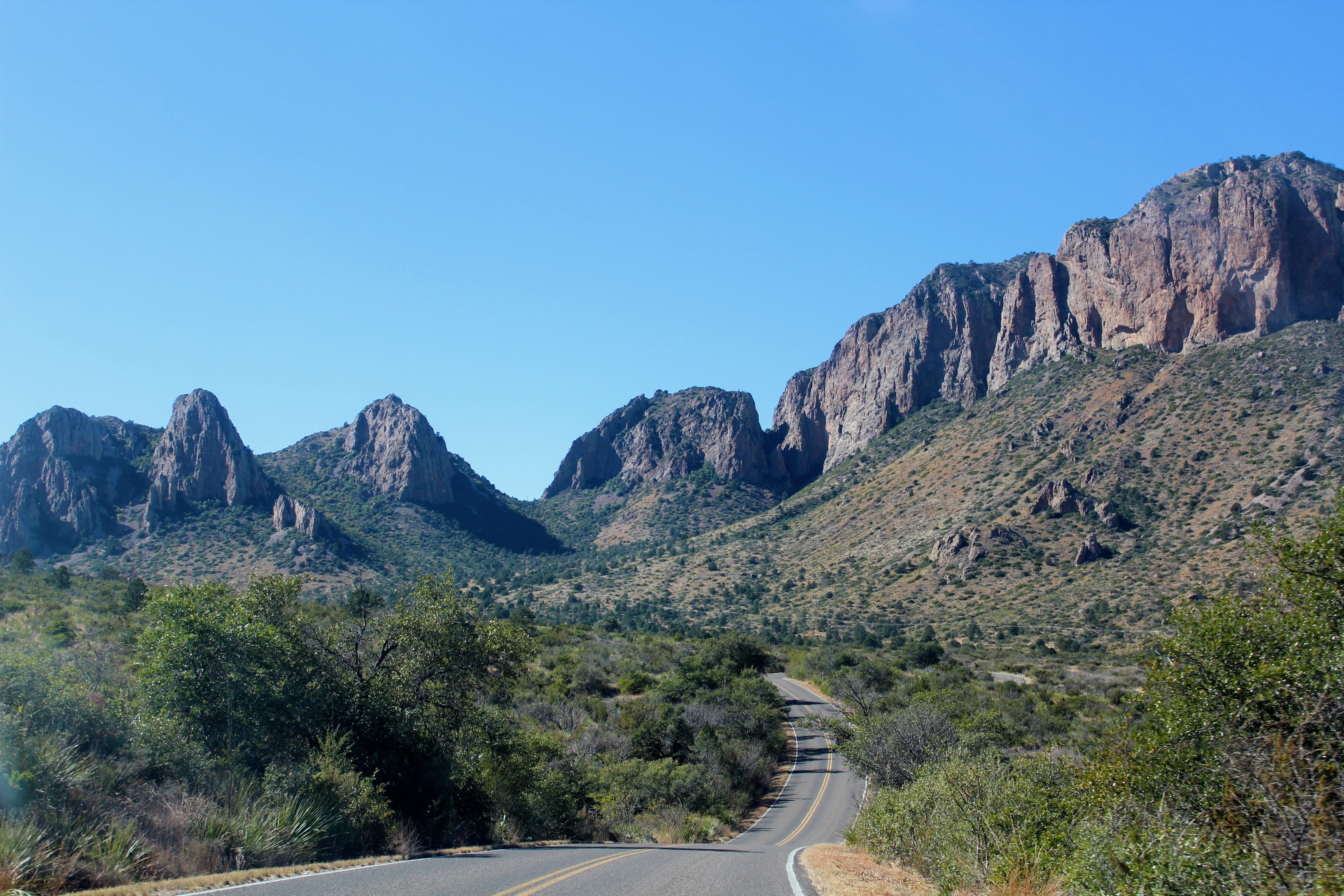
There are two entrances to Big Bend National Park. Driving in from any of the major cities in East Texas, you’ll enter from the north through the Persimmon Gap Entrance. Coming from Marfa, you’ll pass iconic ghost town Terlingua before reaching the Maverick Entrance on the west. The towns of Fort Stockton (north) and Alpine (west) are the last stops to stock up on groceries before driving into the park.
Where to Stay
Camping
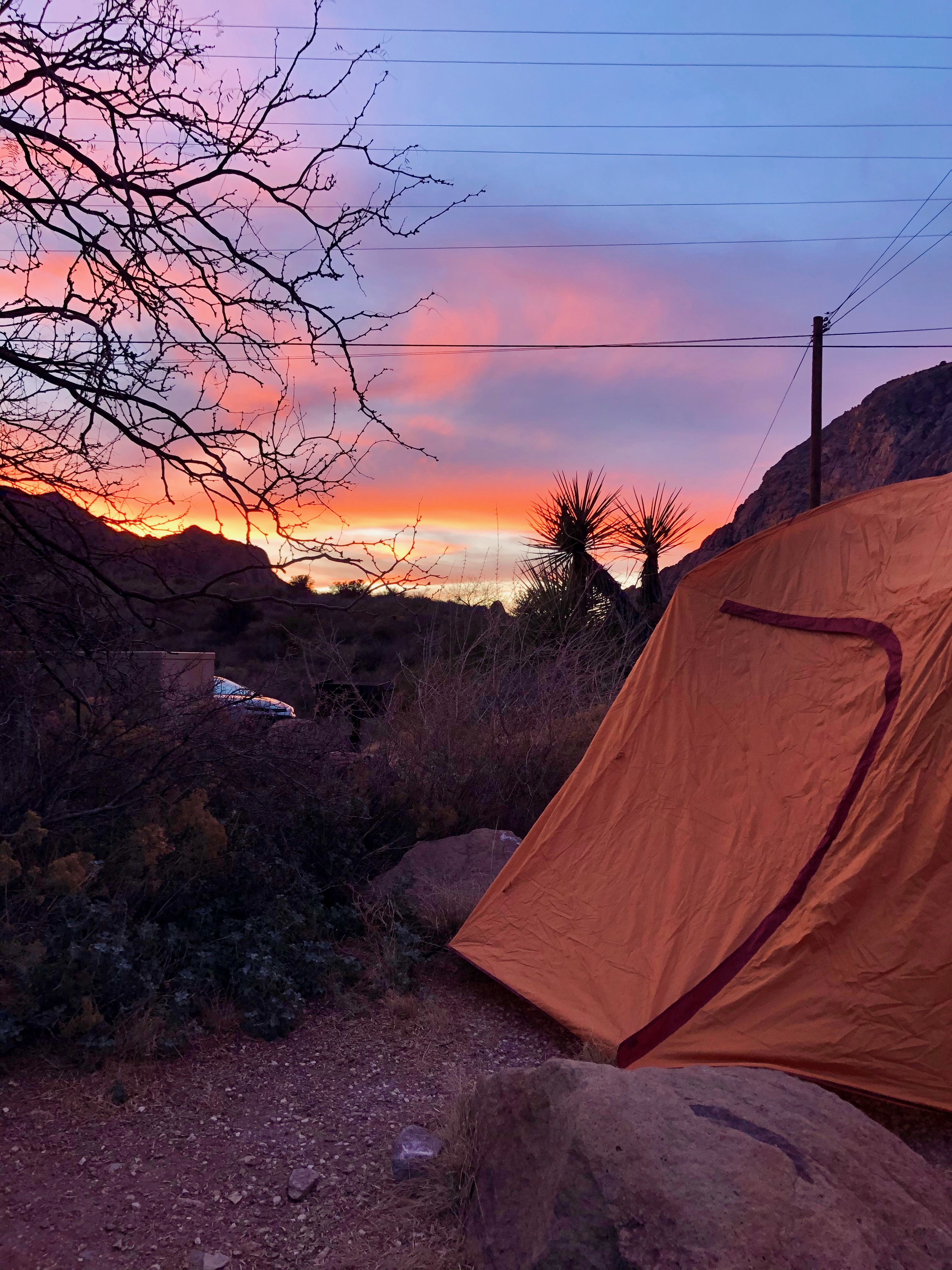
Since visiting Big Bend for the first time, I was dreaming of pitching a tent at the stunning Chisos Basin Campground. Surrounded by the Chisos Mountains, the views here are nothing short of spectacular. It’s also the perfect base for some of the best hikes in the park. The campground has drinking water and restrooms, but no showers or hookups. You’ll need to plan ahead for a camping trip in high season (November-April) as reservations fill up weeks in advance. There are three NPS campgrounds and one concession RV-park inside of Big Bend.
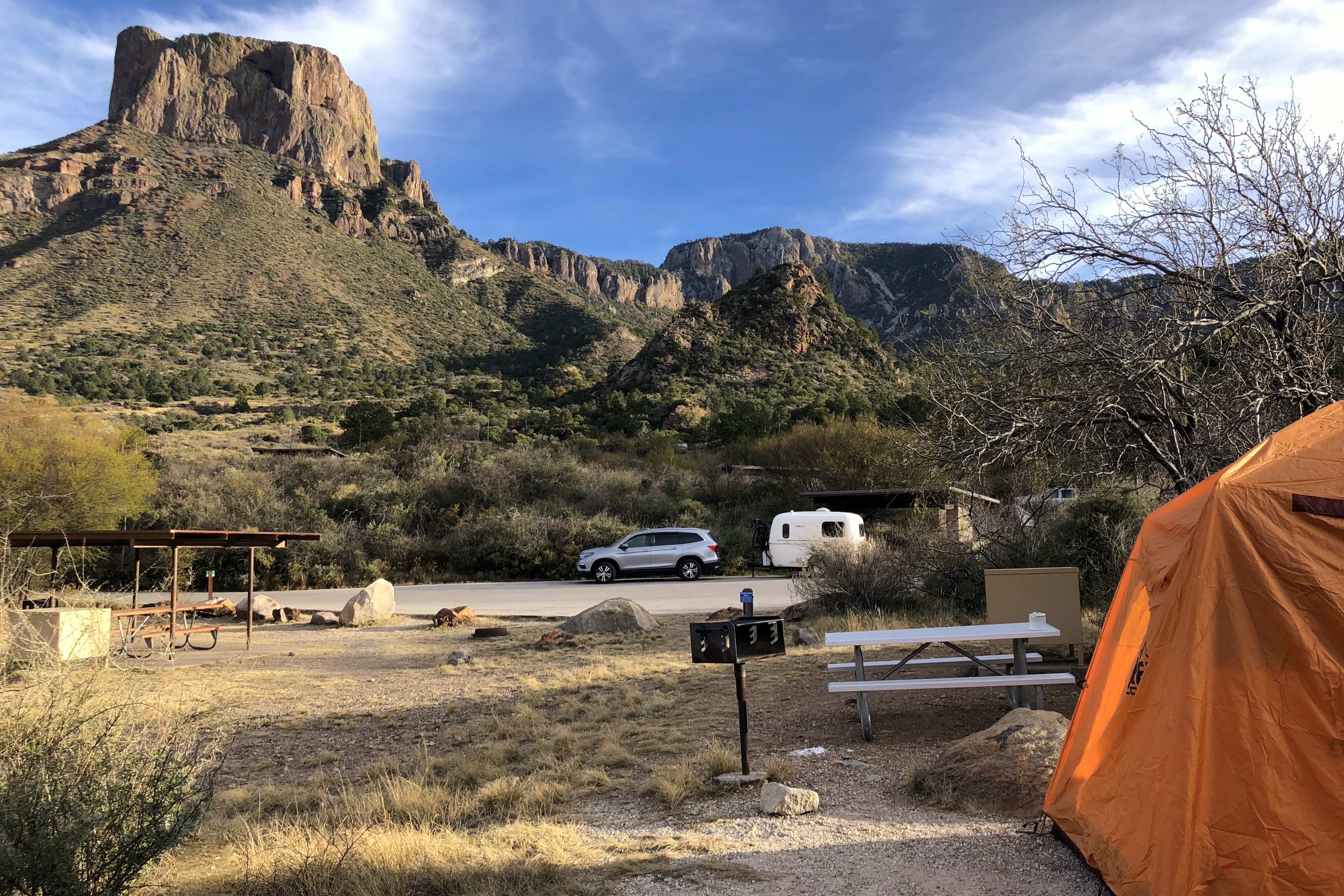

This was our first winter camping adventure, so our packing game was not on point yet. It took the sunrise and a lot of instant coffee to warm us up in the mornings. Daytime weather in the winter season is sunny and perfect for hiking, but nighttime temperatures regularly drop below freezing.


Lodging
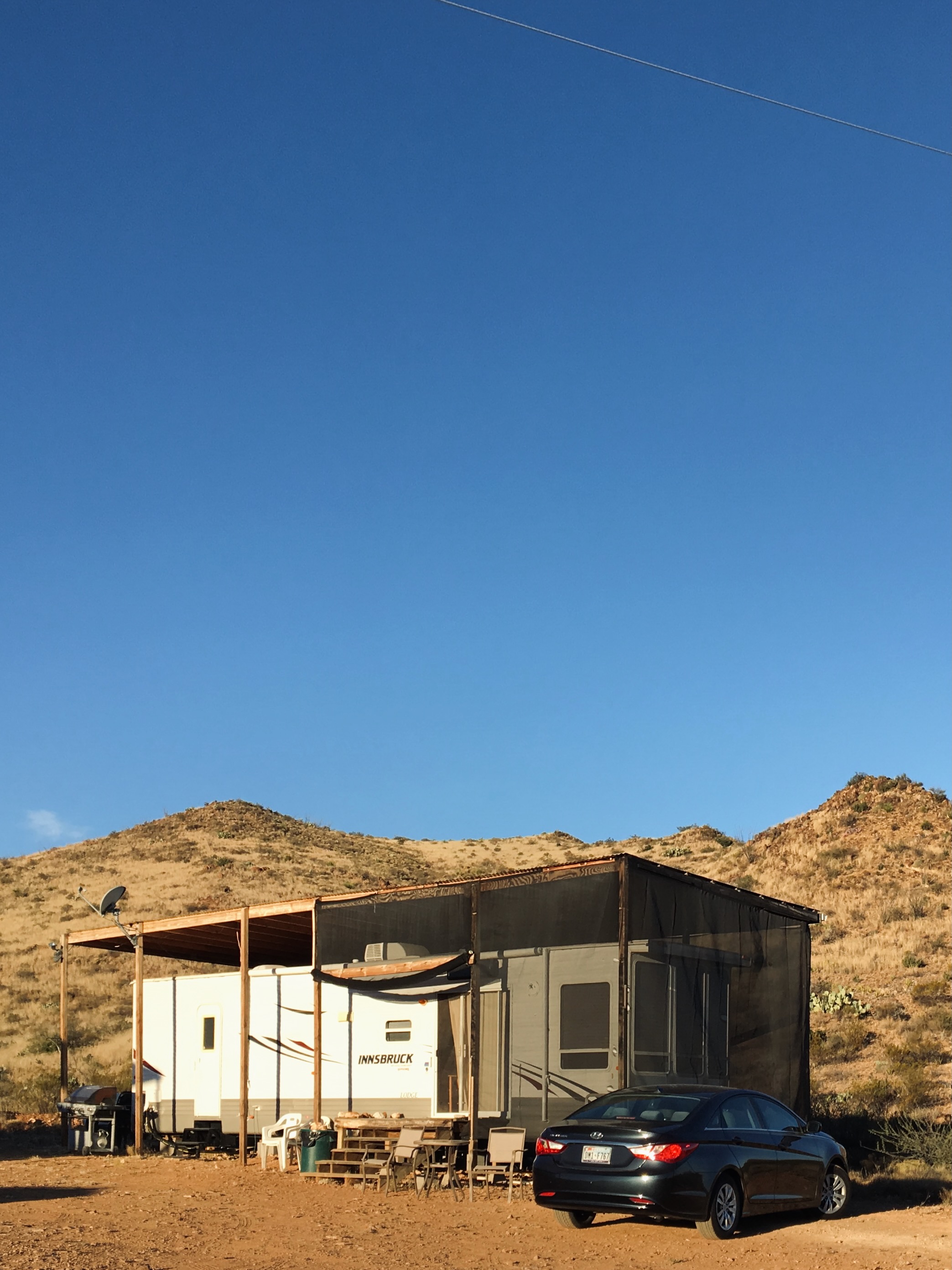
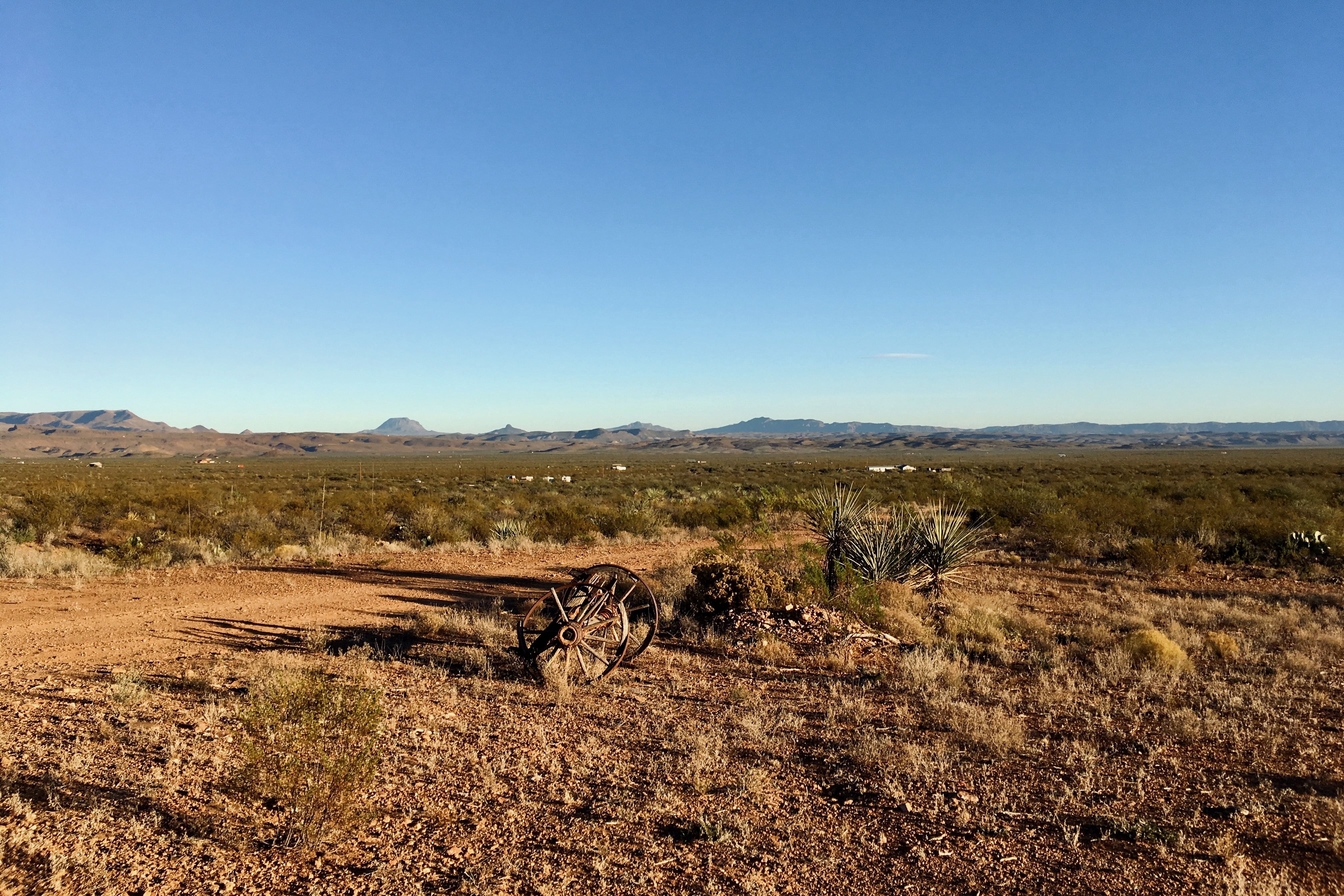
If you don’t plan on camping, the only lodging option inside the national park is the Chisos Mountain Lodge. Located in the Chisos Basin area, the lodge rivals the views from the campground. Any accommodation outside of the national park entails at least a one-hour drive, with the closest option being the town of Terlingua. On my first trip to Big Bend, we rented a trailer parked on a ranch outside of Terlingua. With limited options in the area, it is recommended to reserve ahead.
Top Activities per Area
Big Bend can be divided into three main areas: the Chisos Basin in the center of the park, Santa Elena Canyon in the west and Rio Grande Village in the east. Ideally, count at least two days for the Chisos Basin and one full day for each of the other two areas. These are the top activities per area, including scenic drives, hikes and viewpoints.
Chisos Basin
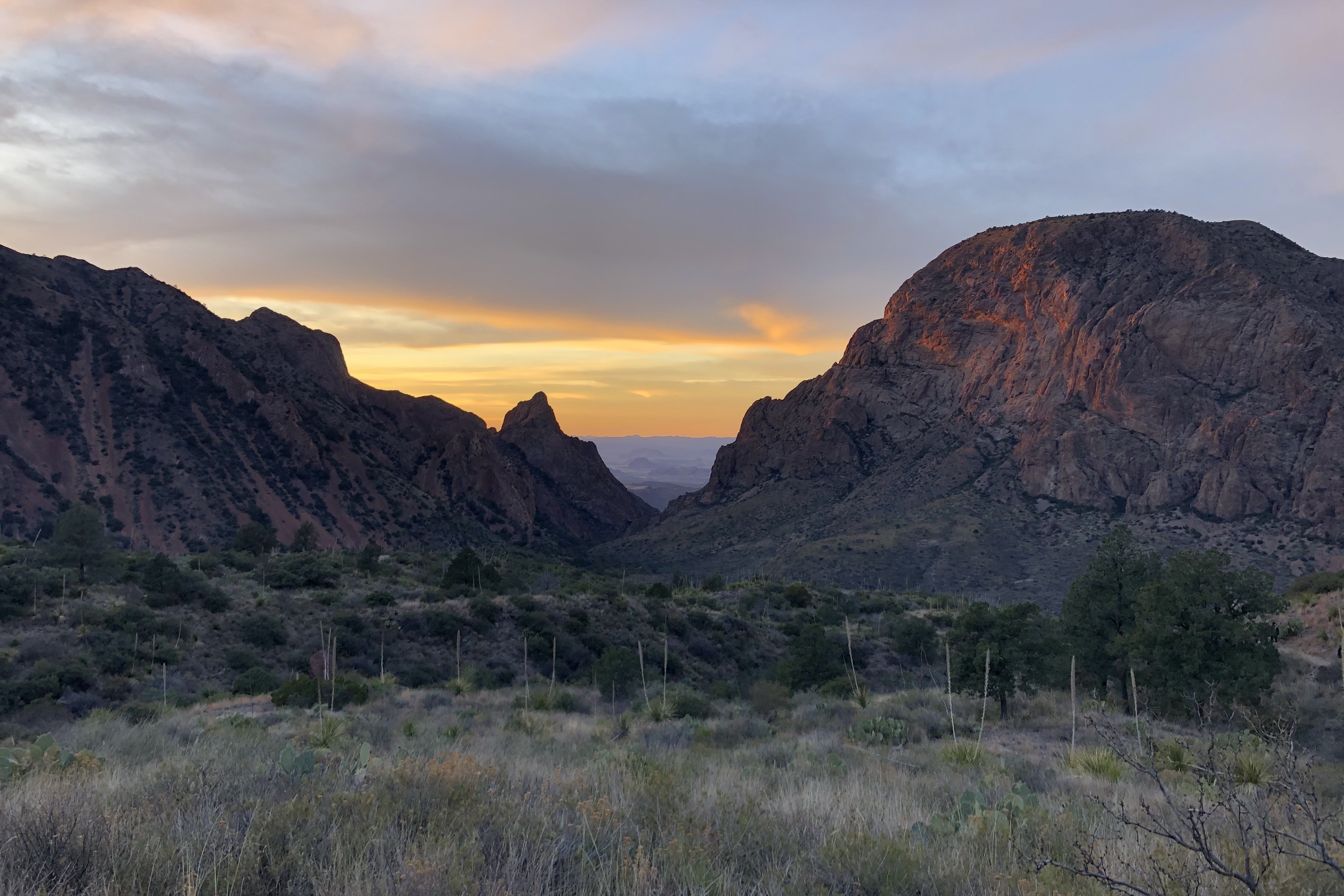
Sunset at the Window View Trail
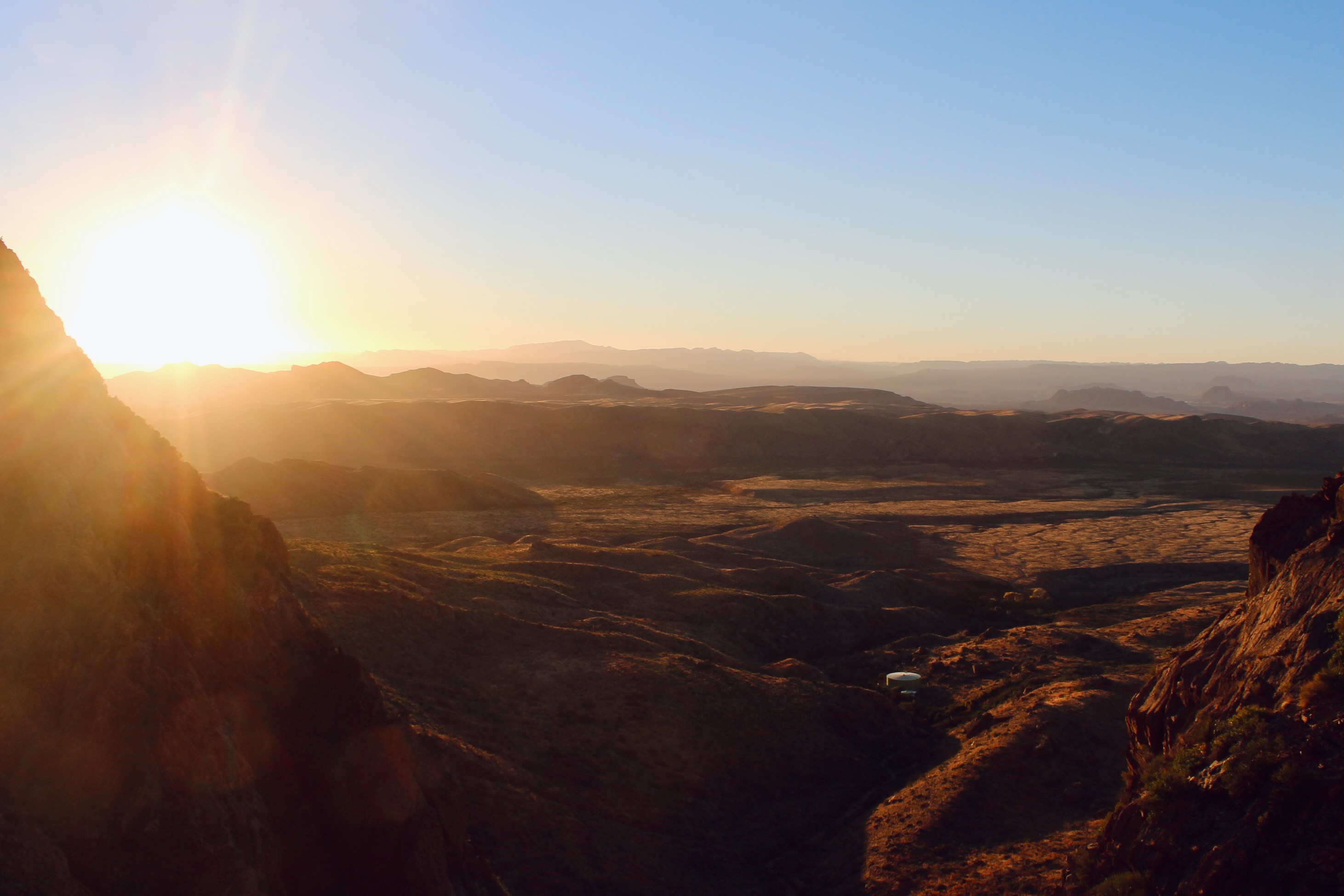
The Window View Trail is a paved 0.3-mile loop that departs from the Chisos Basin Visitor Center. This is the perfect spot to enjoy a stunning Big Bend sunset after setting up camp or checking into the lodge.

Lost Mine Trail
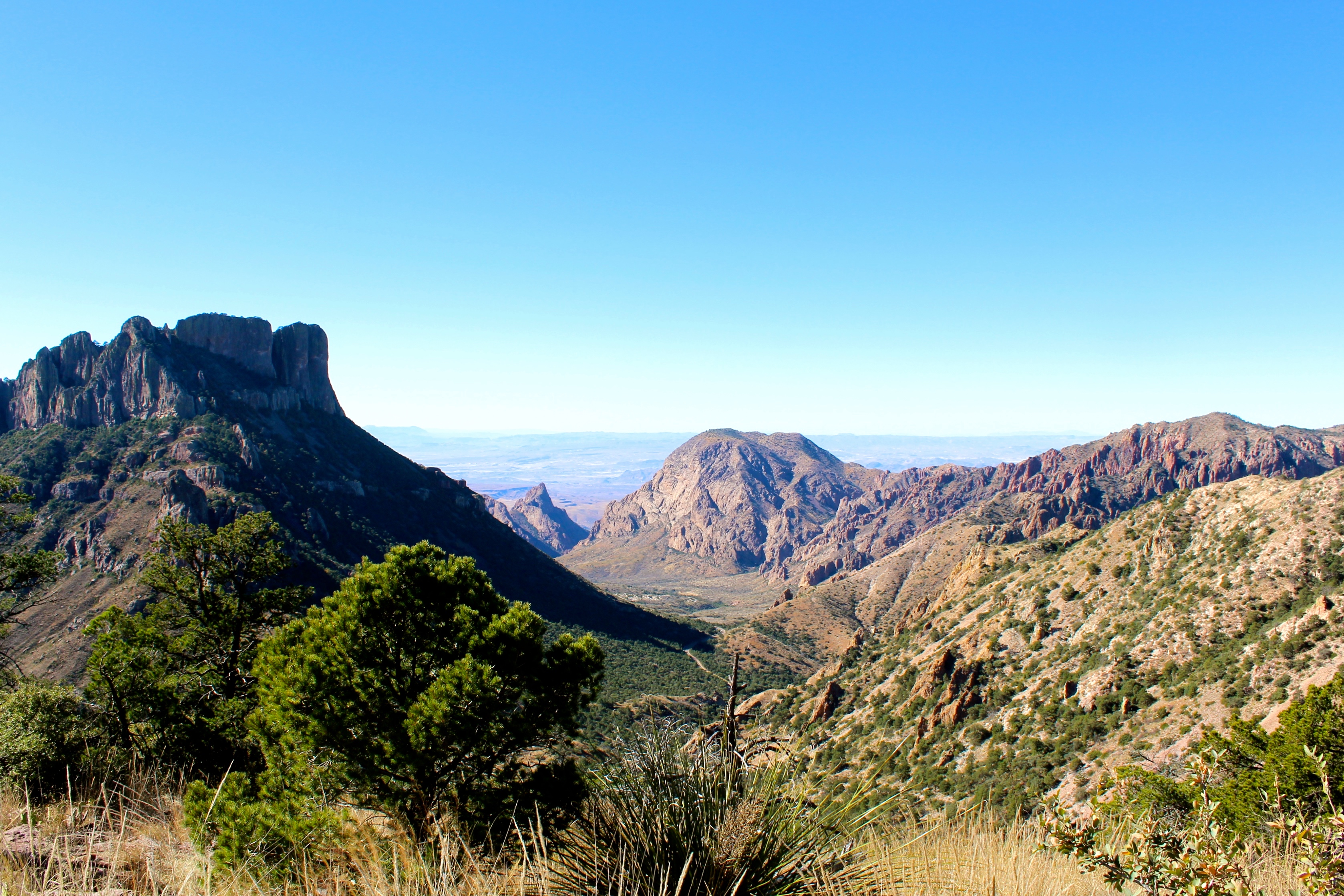
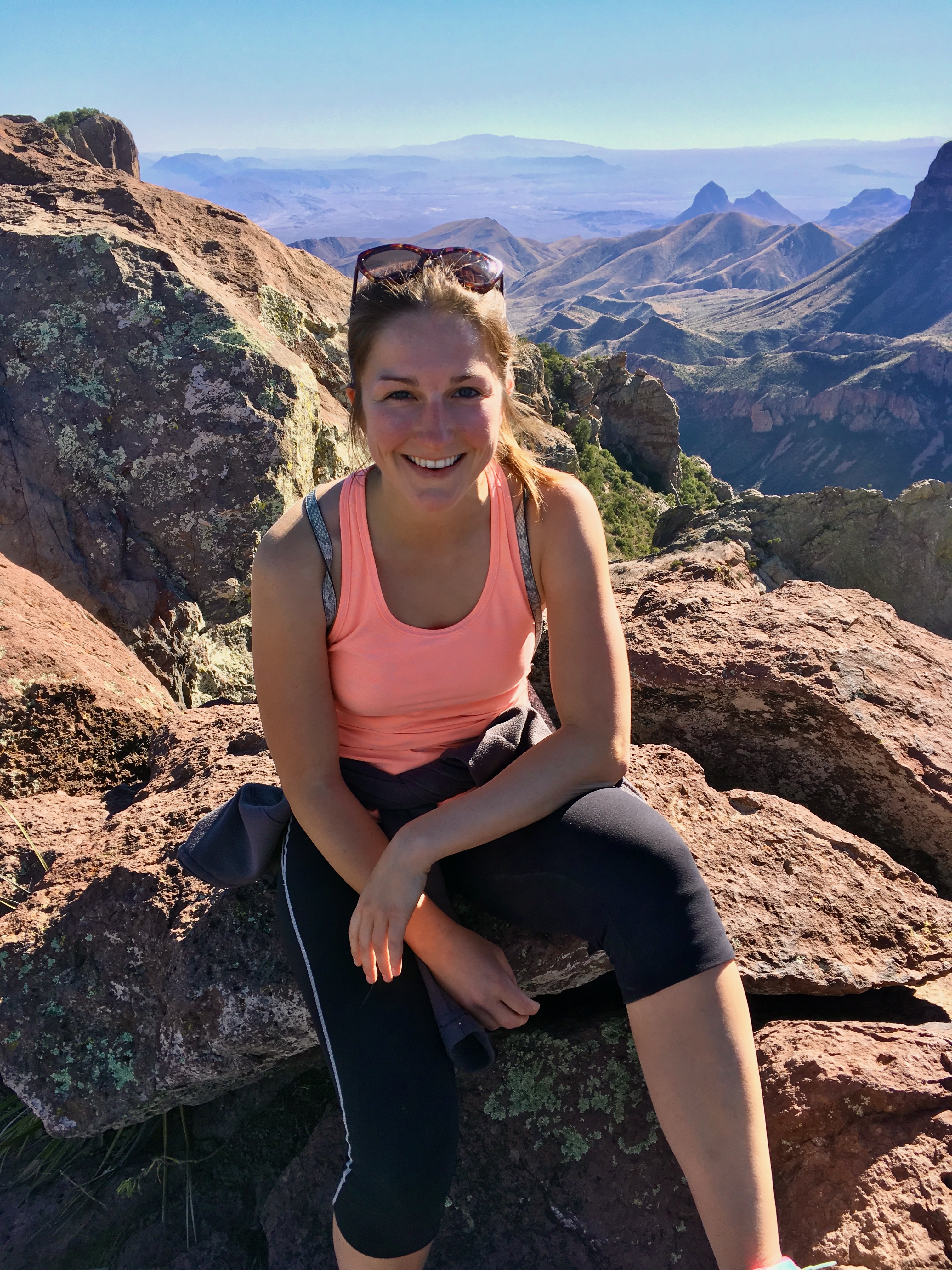
This 4.2-mile out-and-back trail delivers stunning views from start to finish. It takes around three hours to complete, taking into account the countless stops for pictures along the way. The trailhead is located two miles from the Chisos Basin Visitor Center. There is a small parking lot that fills up quickly, so it’s best to start this hike early.

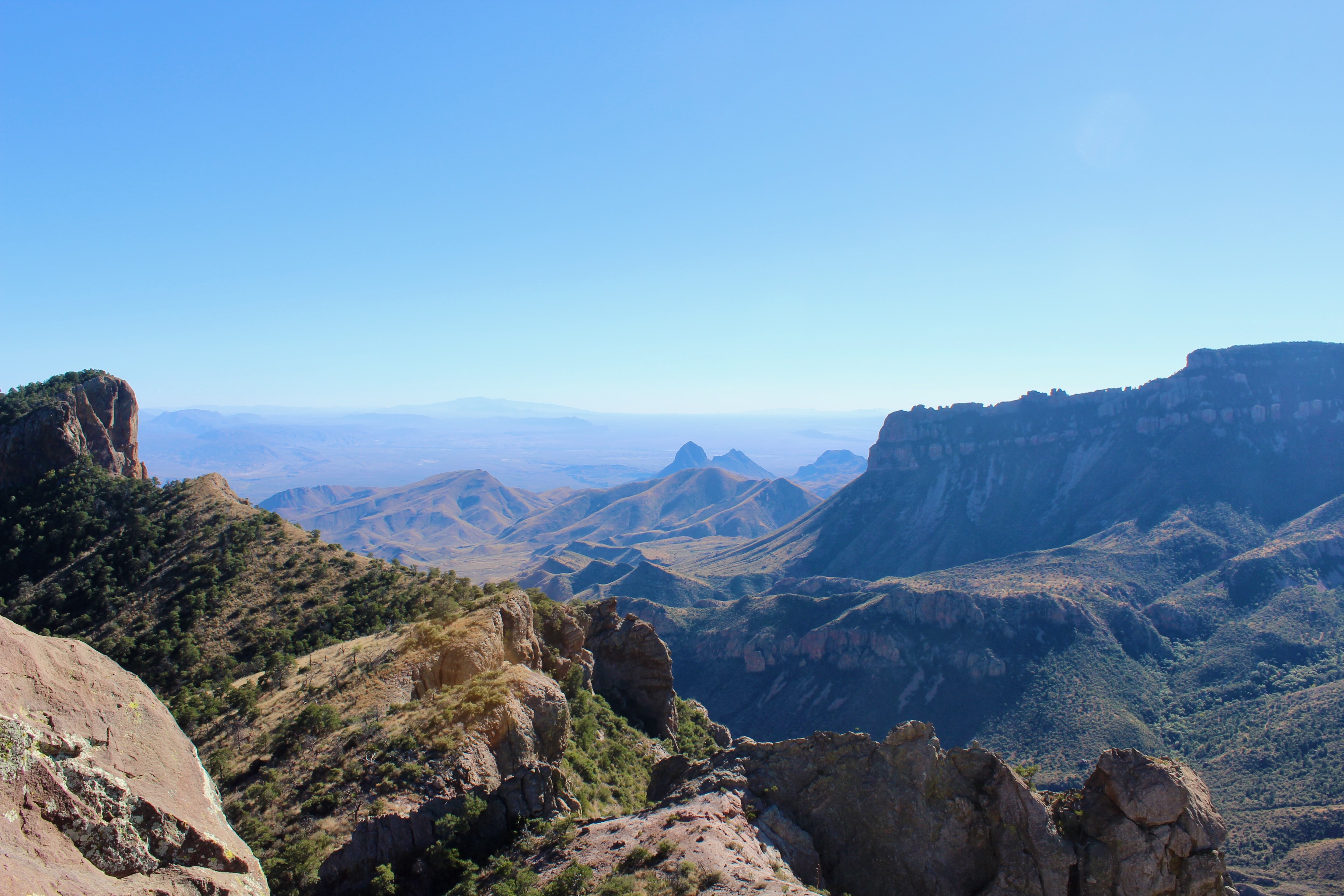
South Rim Trail Loop
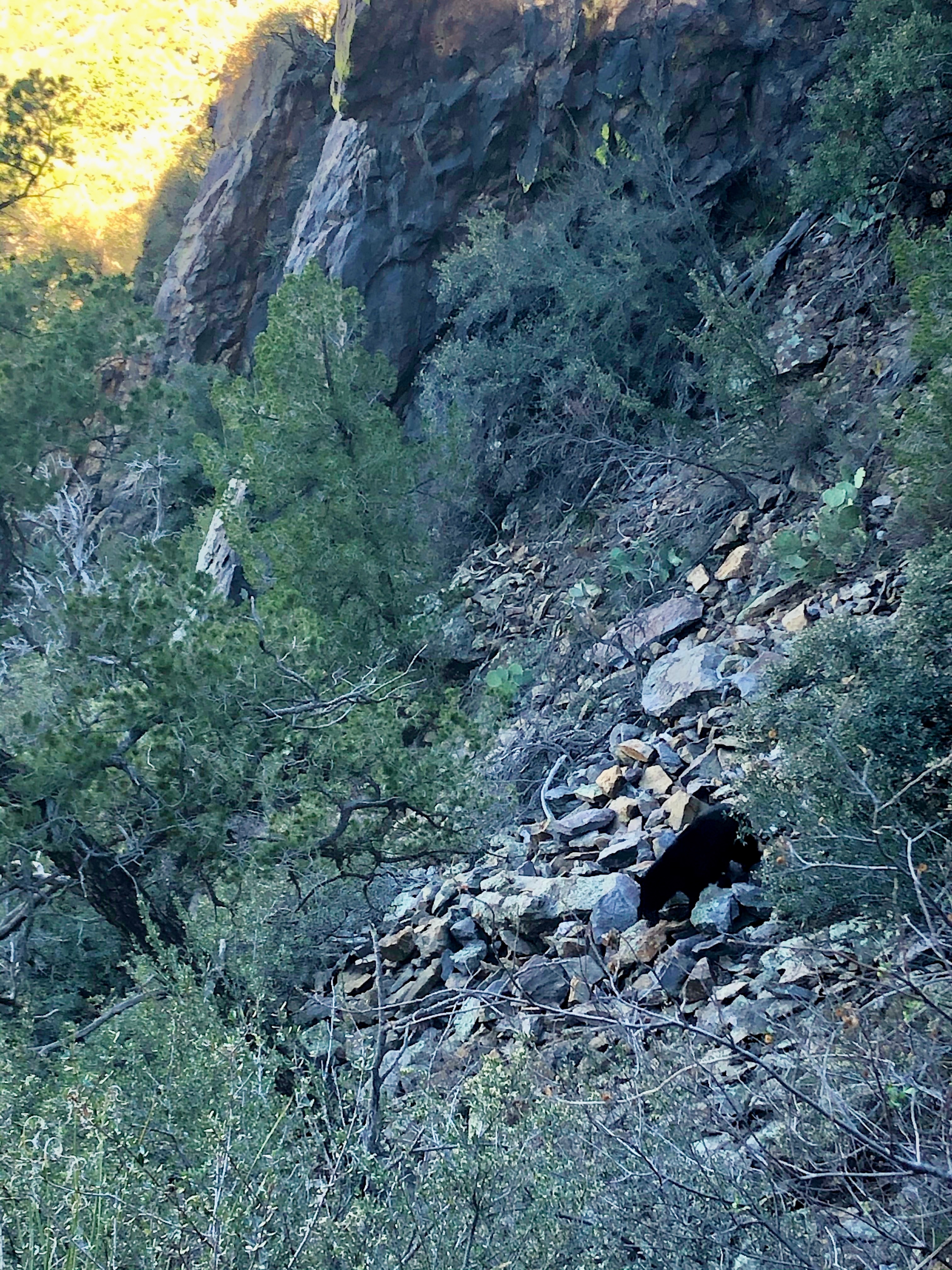
The South Rim Trail is an impressive day hike that departs near the Chisos Basin Visitor Center. It can be hiked as a 12.5-mile loop, taking six to eight hours to complete. If hiking clockwise, the trail follows the Pinnacles Trail to climb out of the Chisos Basin. At the end of December, the valley was coated in vibrant fall colors. We even spotted one of the few black bears living in Big Bend: there are about 30 to 40 in the entire park.
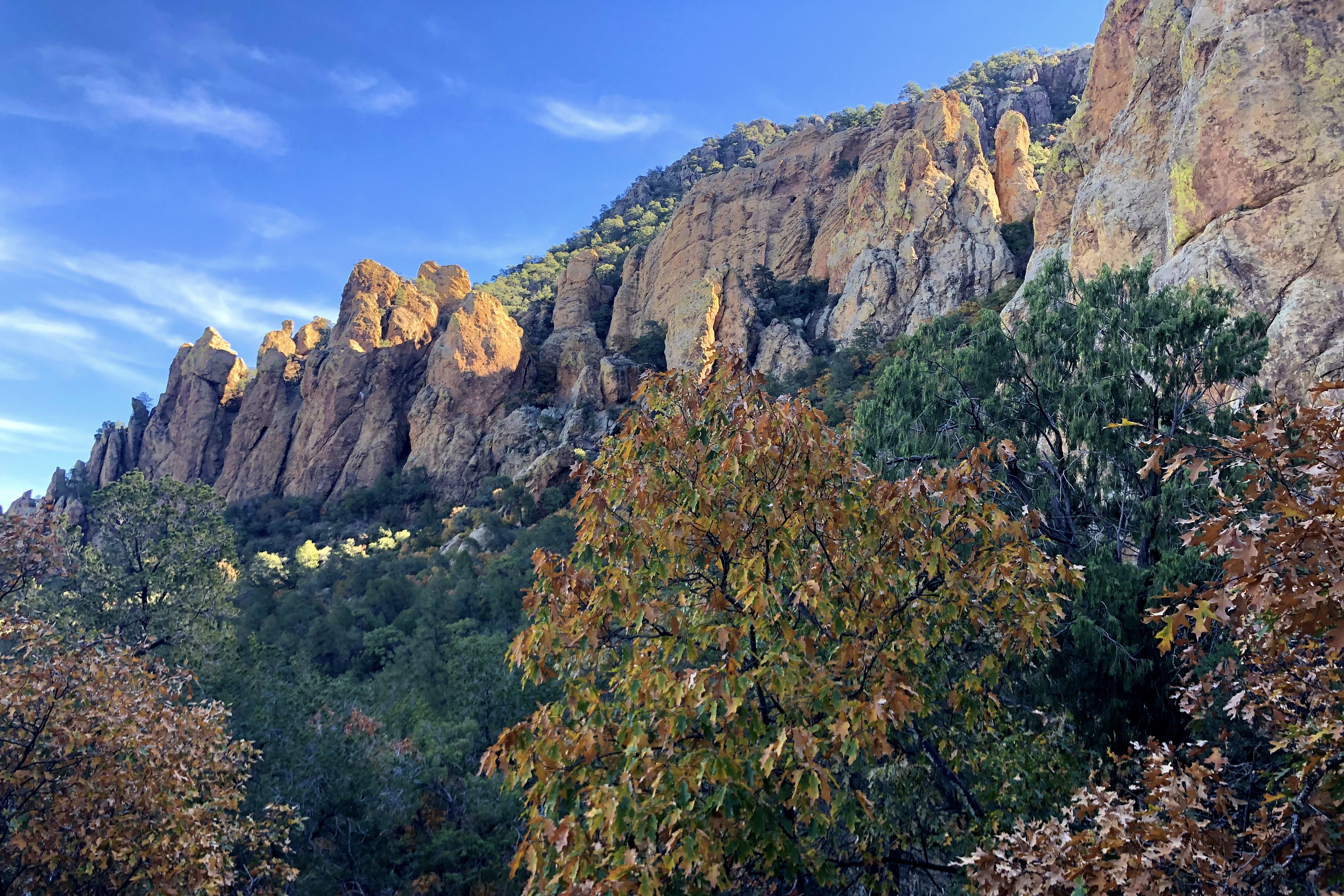
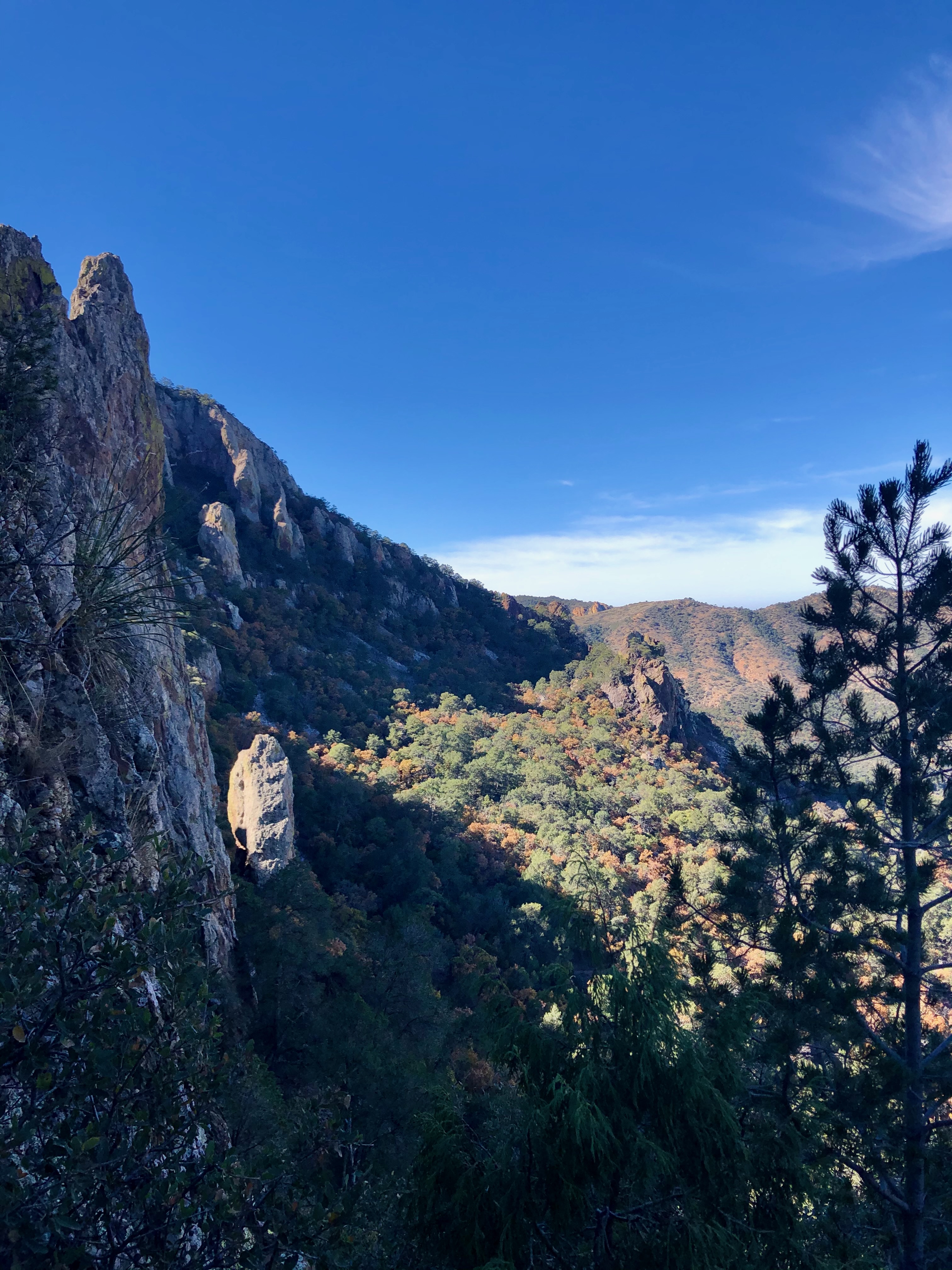
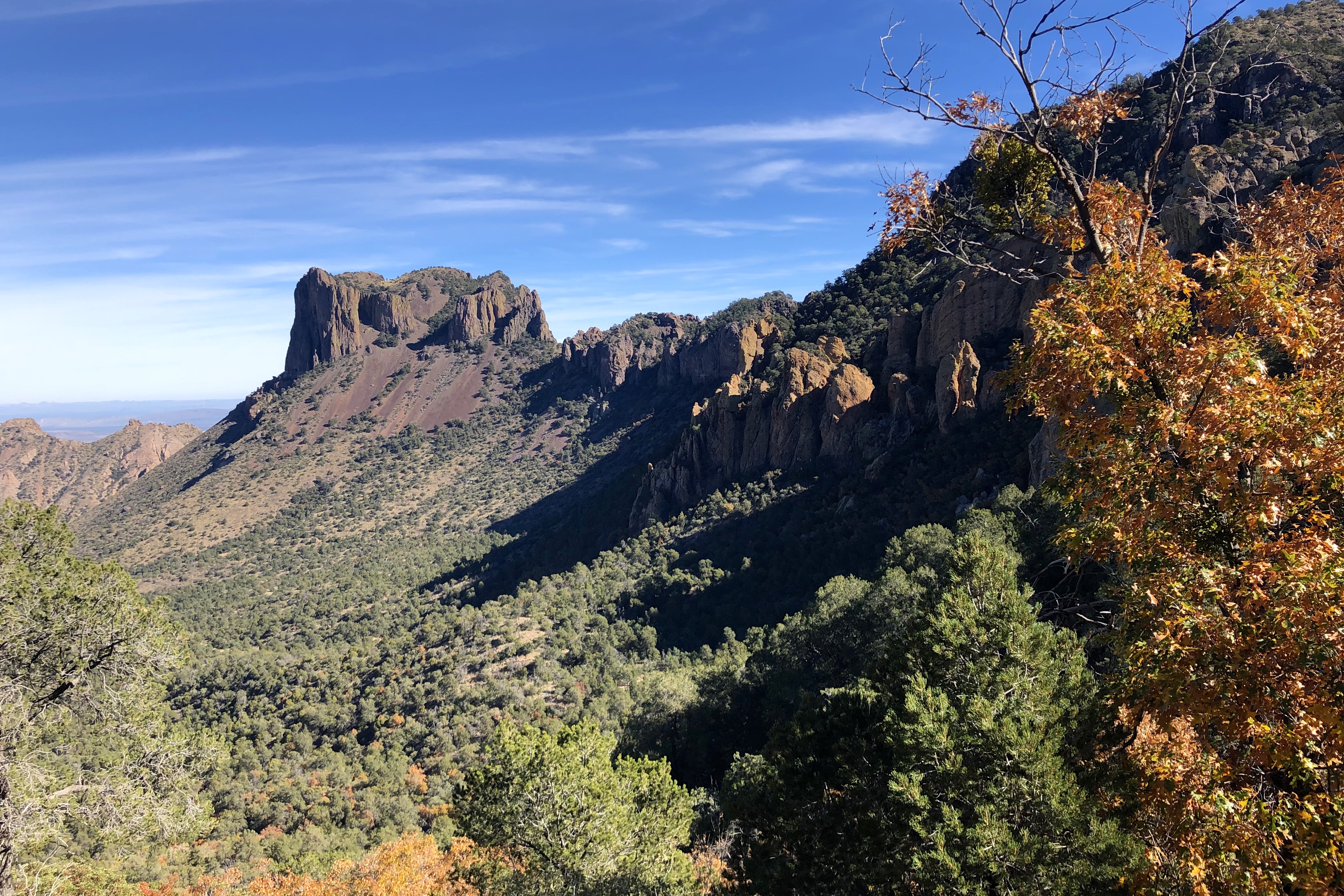
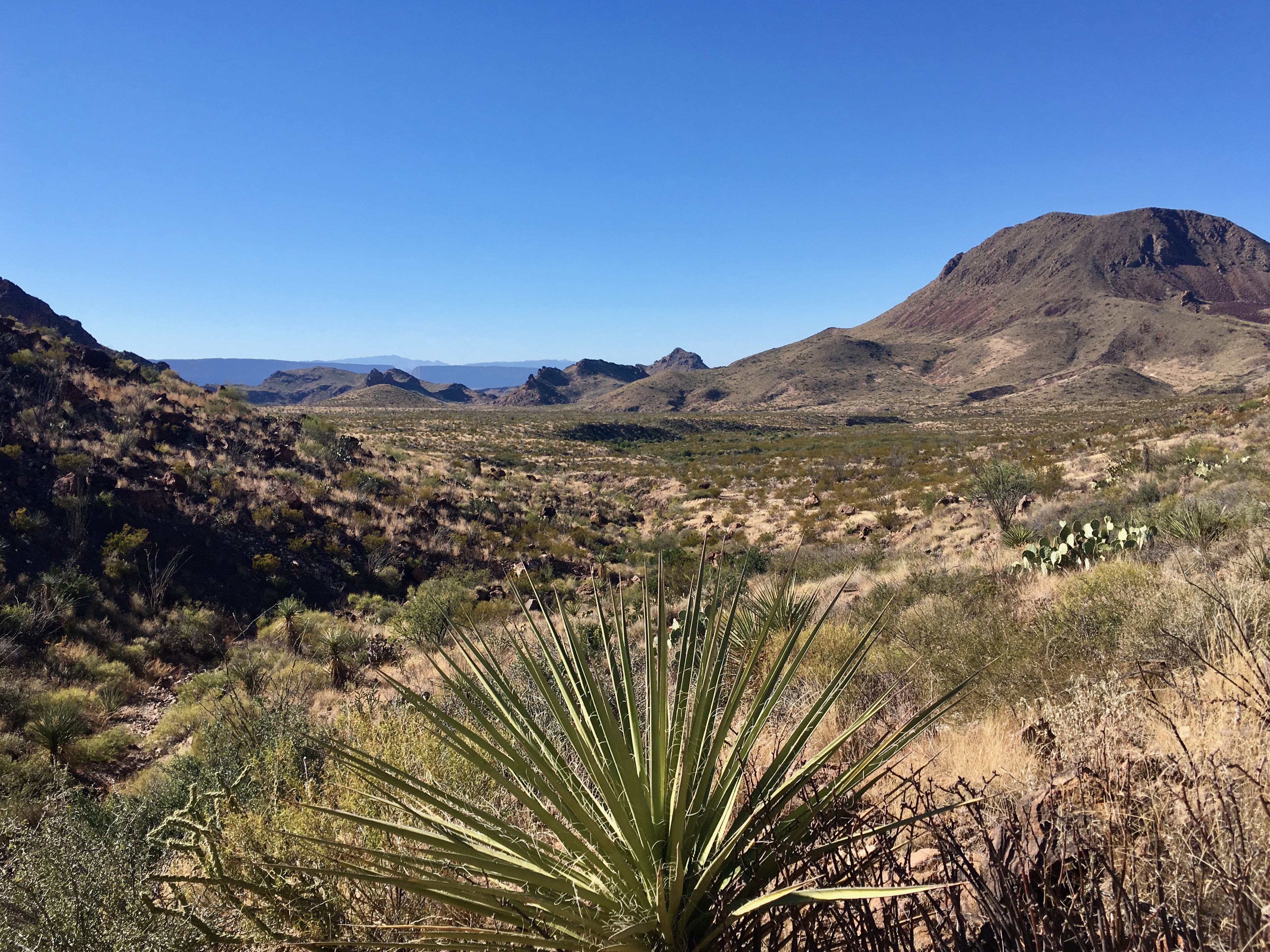
Once you make it to the top, there is an optional three-mile extension to Emory Peak. We continued straight onto the Boot Canyon Trail towards the South Rim. Each time you turn a corner, a completely different landscape emerges. Along the South Rim Trail, there are non-stop sweeping views of the Chihuahuan Desert.


Window Trail
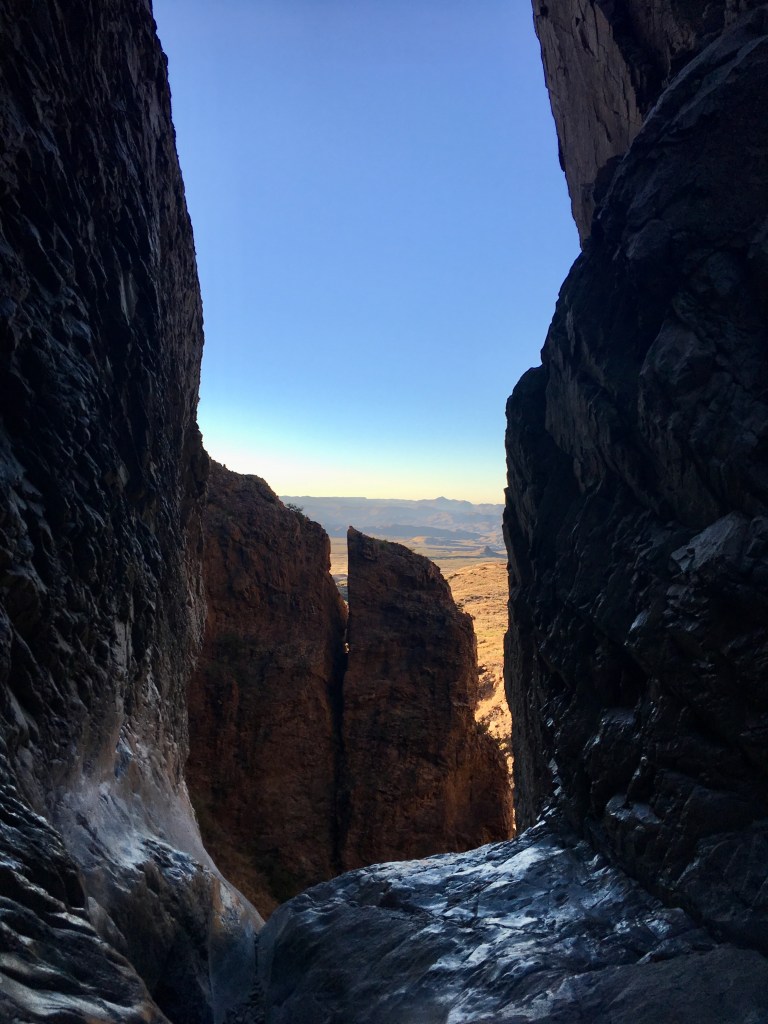
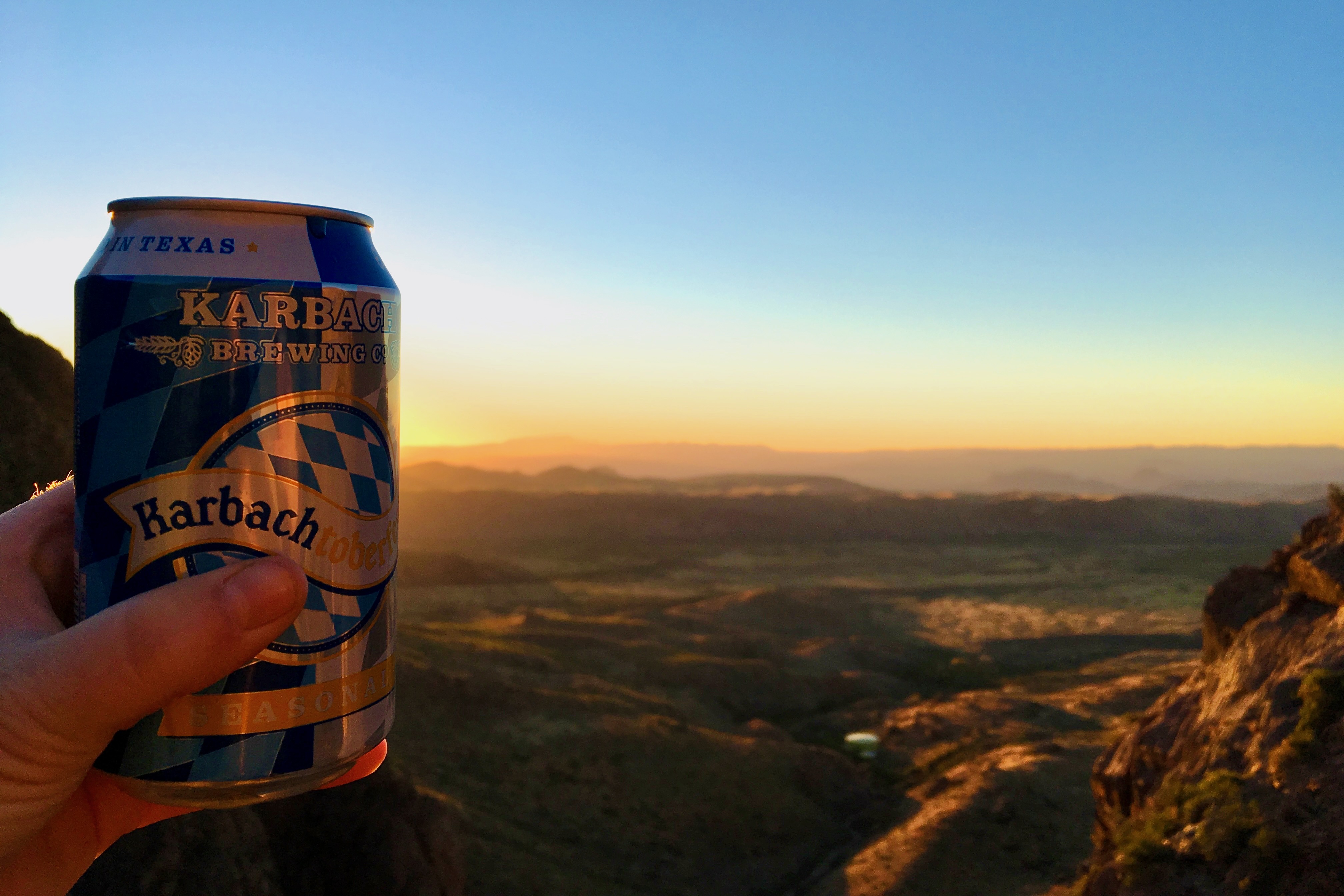
Not to be confused with the paved Window View Trail, the Window Trail is a 5.2-mile out-and-back trail departing from the Chisos Basin Campground. It leads to a window-shaped viewpoint of the desert below. For more expansive views, you can sidetrack onto the Oak Spring Trail from the junction with the Window Trail. A short climb leads to a spectacular viewpoint over the desert and a prime spot to watch the sunset.
Santa Elena Canyon
Ross Maxwell Scenic Drive
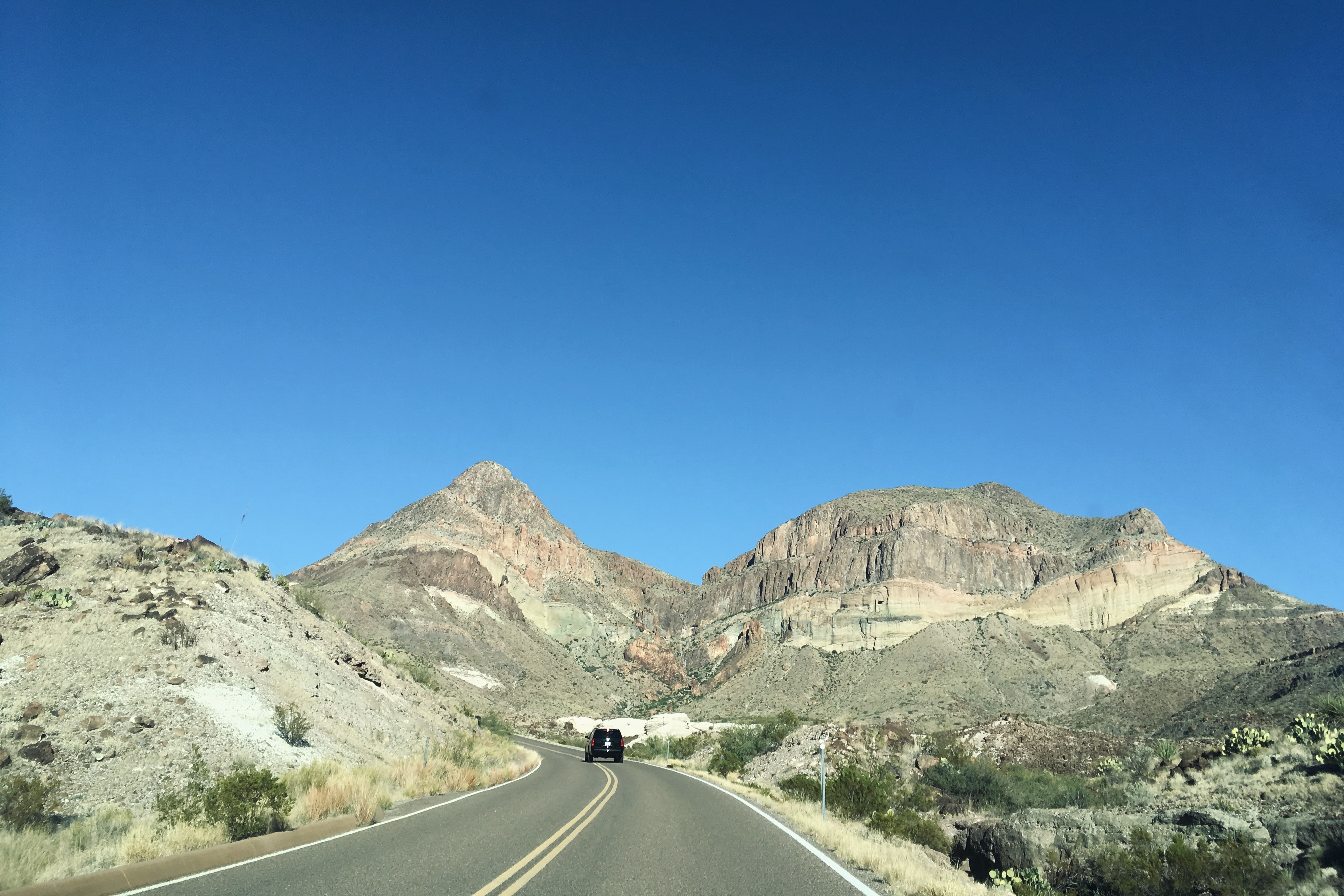
The Ross Maxwell Scenic Drive runs from the Chisos Basin to the west side of the park over a course of 50 scenic miles. It’s the only paved road that leads up to Santa Elena Canyon. The road is scattered with viewpoints, as well as trailheads to desert hikes. Depending on the amount of stops, the drive can easily take from two hours to half a day.

Mule Ears Trail
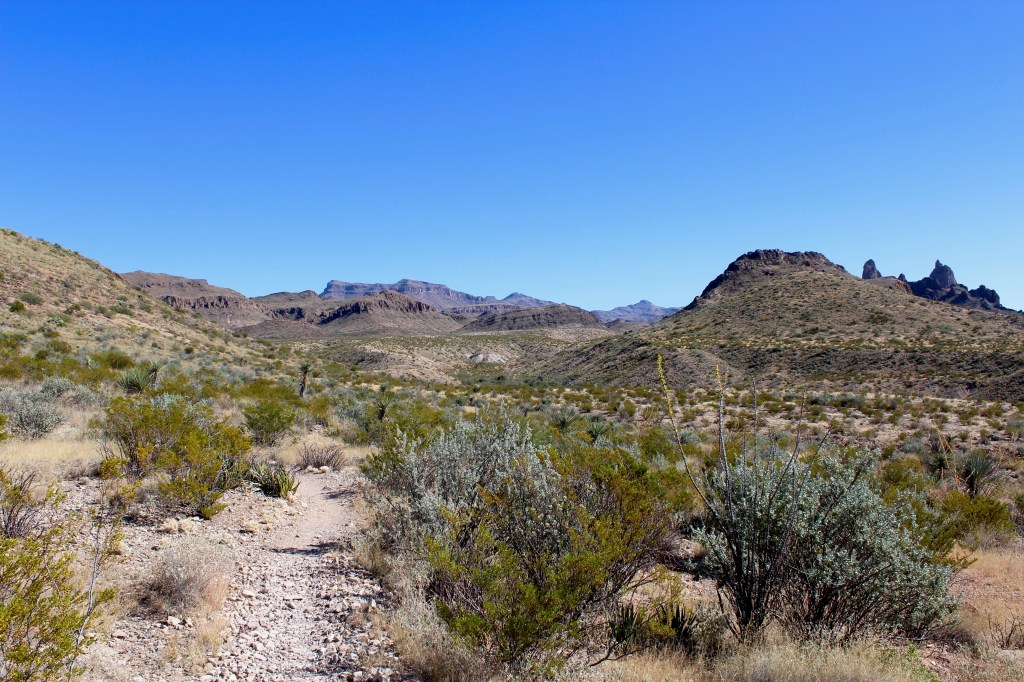
The Mule Ears Trail departs from an overlook along the Ross Maxwell Scenic Drive, about halfway to the Santa Elena Canyon. You can hike the 3.8 miles out-and back Mule Ears Spring Trail to an overgrown spring, or continue to the junction with the Smoky Creek Trail for up-close views of the Mule Ears peaks. The trail runs straight through the desert, with no shade at all.

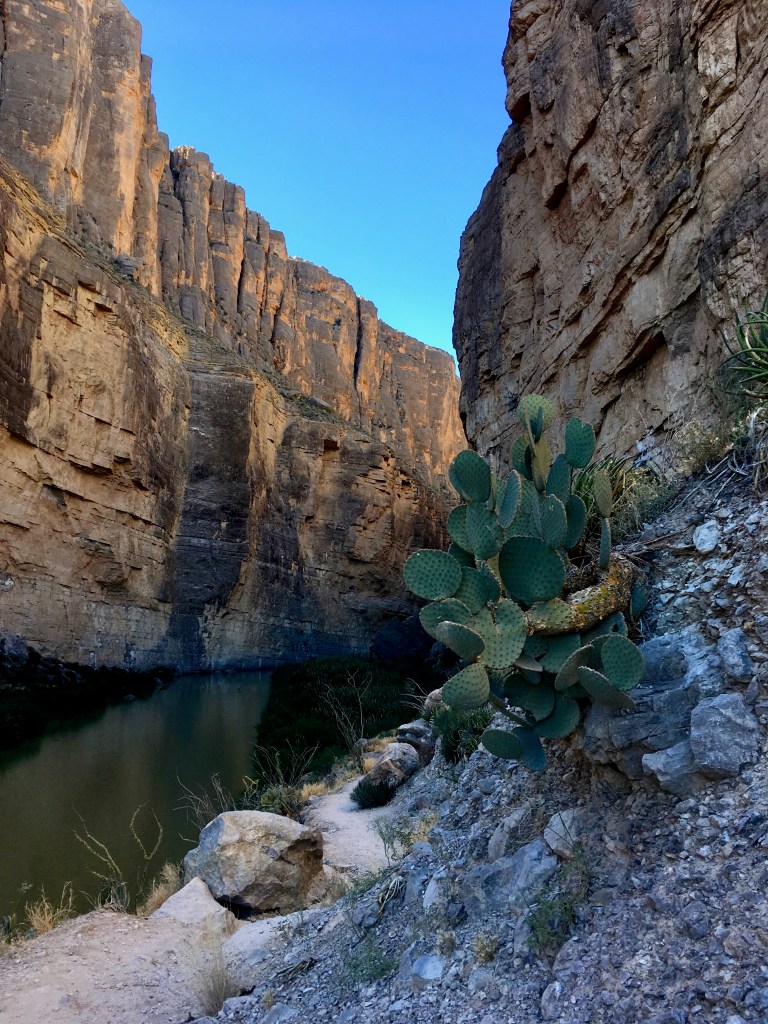
Santa Elena Canyon
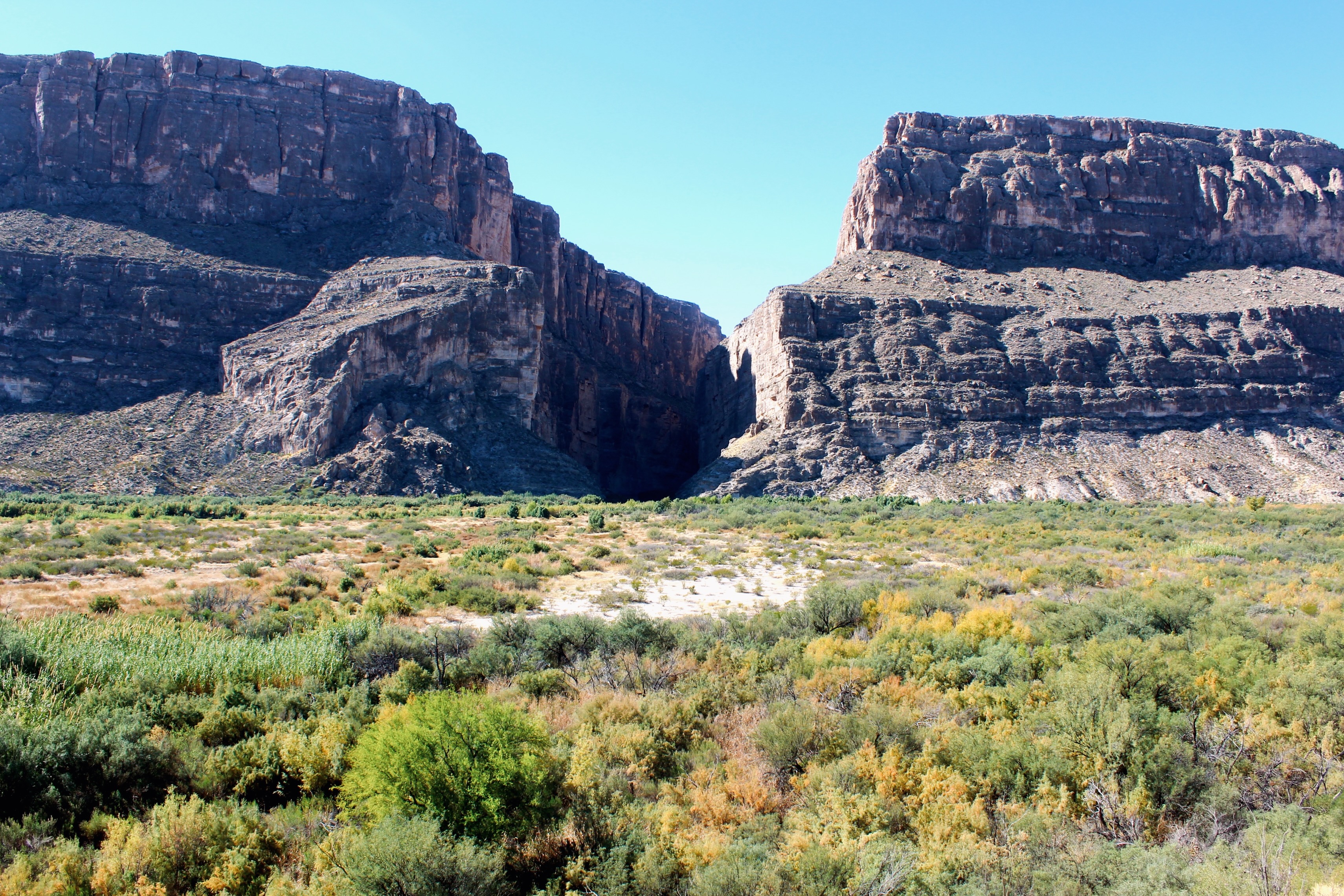
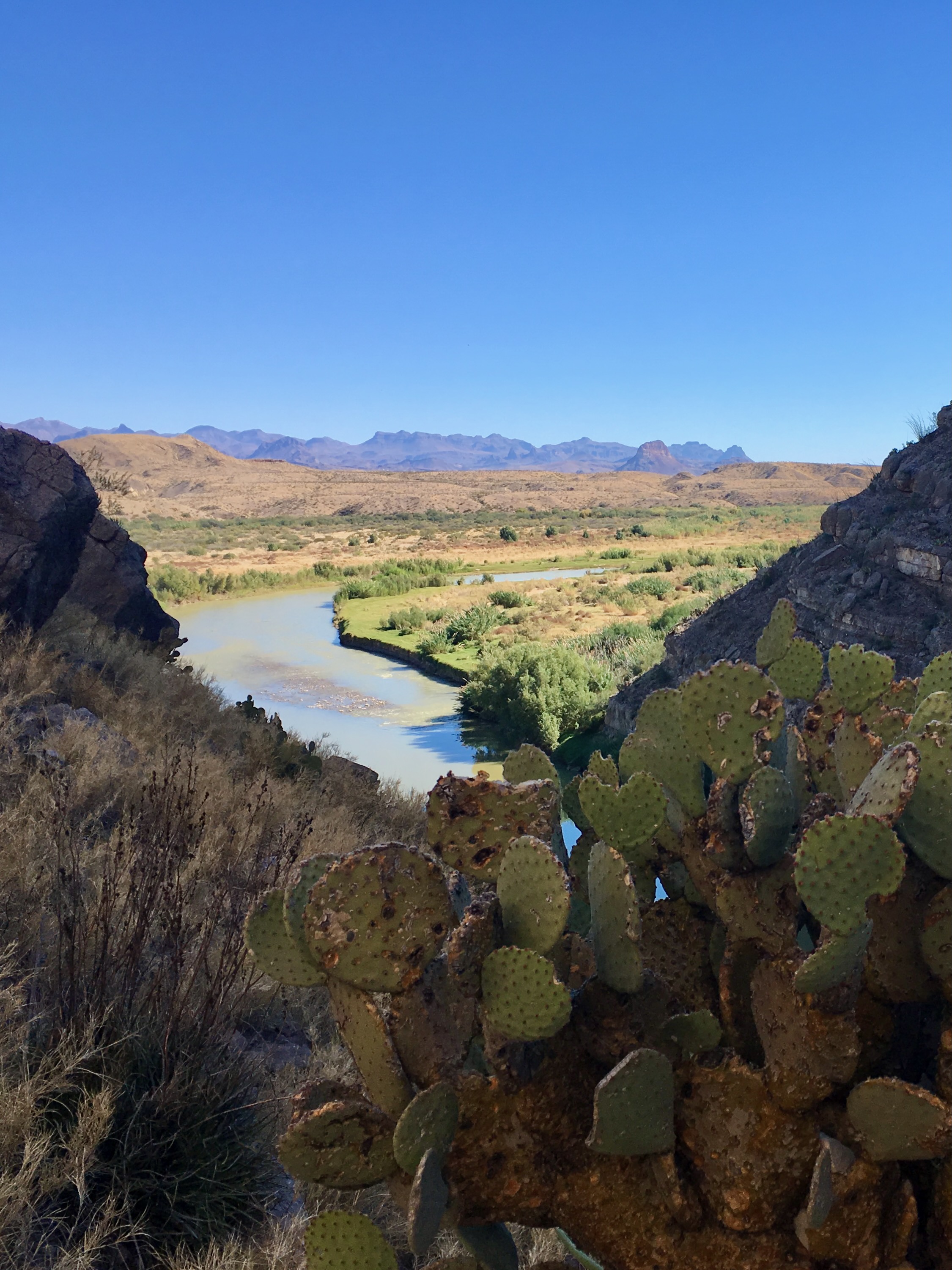
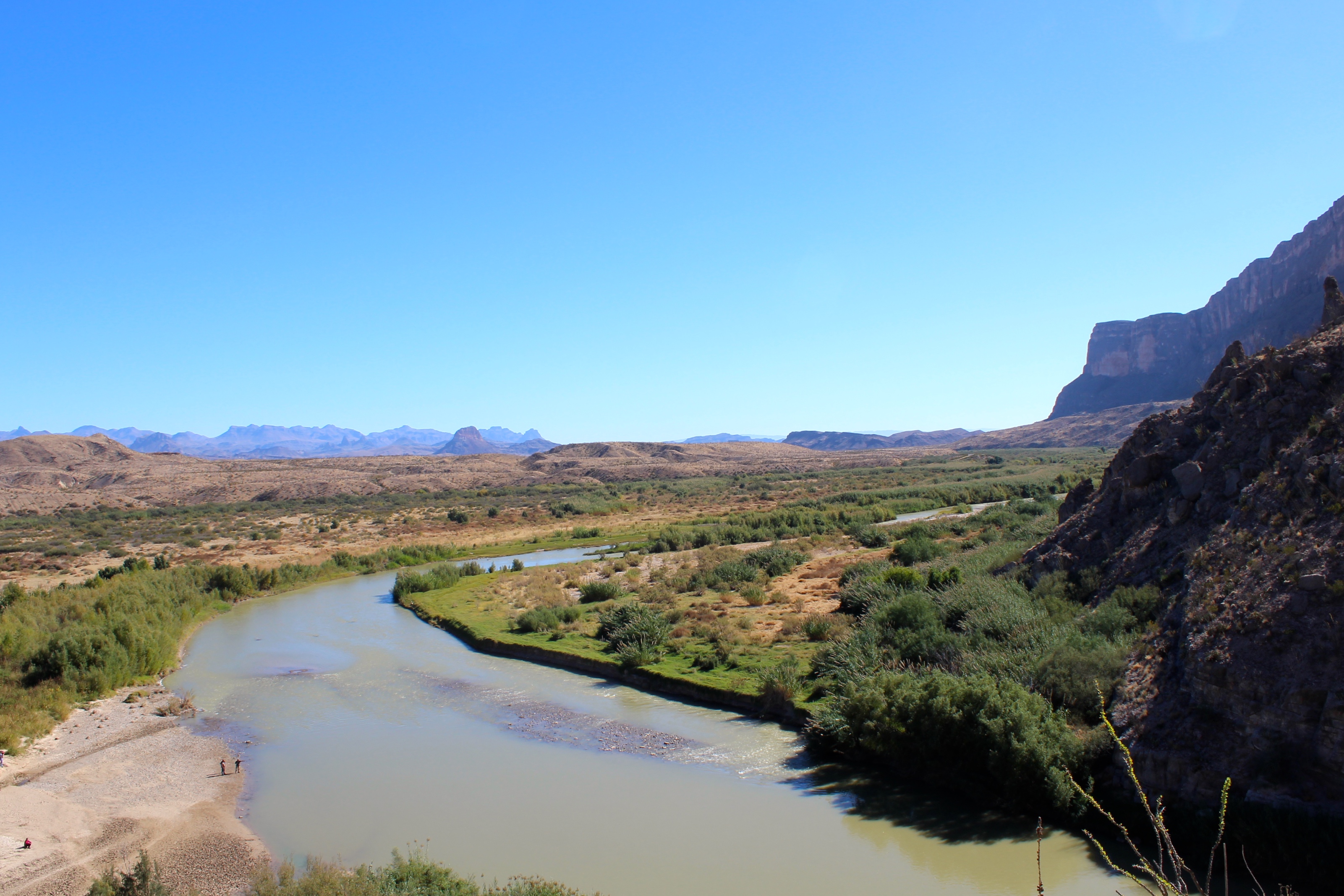
At the end of the Ross Maxwell Scenic Drive lies the Santa Elena Canyon. The 1.6-mile Santa Elena Canyon Trail leads into the canyon to a beautiful viewpoint. But the best way to experience the impressive canyon is from the water. Overnight trips float the entire 21 miles downstream from Lajitas to the National Park, camping one or two nights in the canyon. In the dry winter season, it’s possible to paddle upstream into the canyon and back out on a day trip.

Rio Grande Village
Rio Grande Village Road
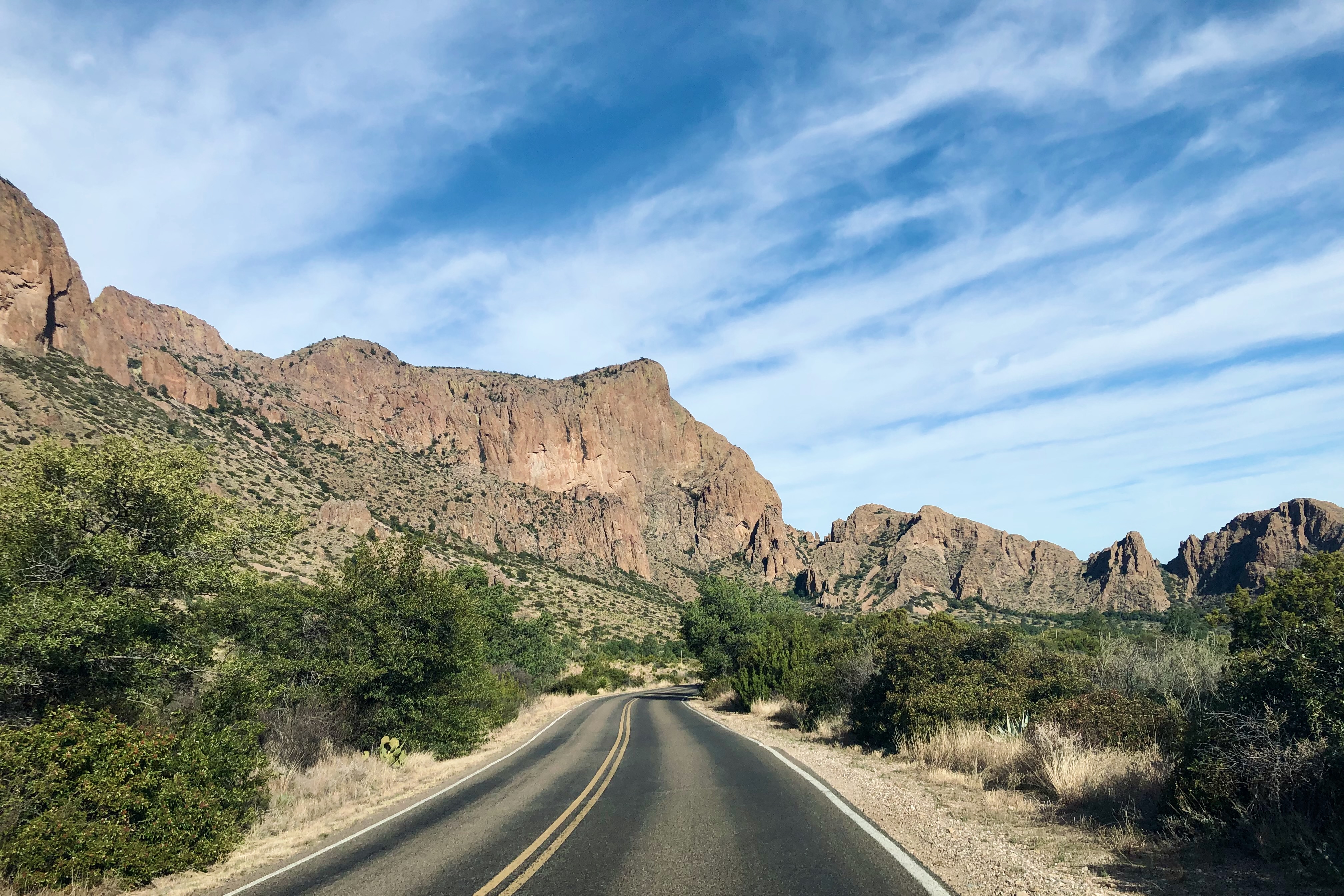
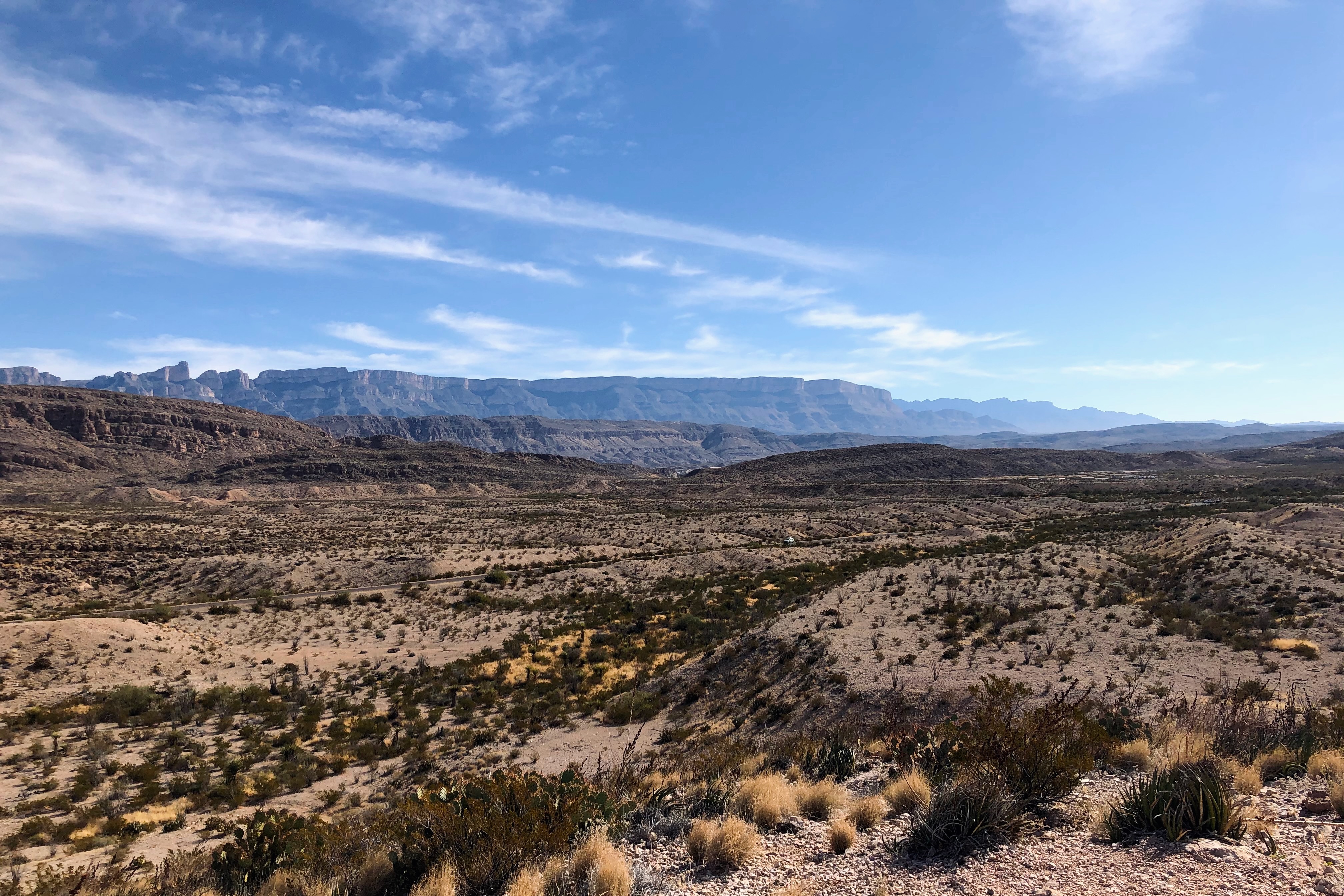
More beautiful scenery awaits on the road east to Rio Grande Village. Starting at the Panther Junction Visitor Center, the Rio Grande Village Road leads to the eastern part of Big Bend. The drive alone makes it worthwhile to head in this direction.
Rio Grande Village Nature Trail
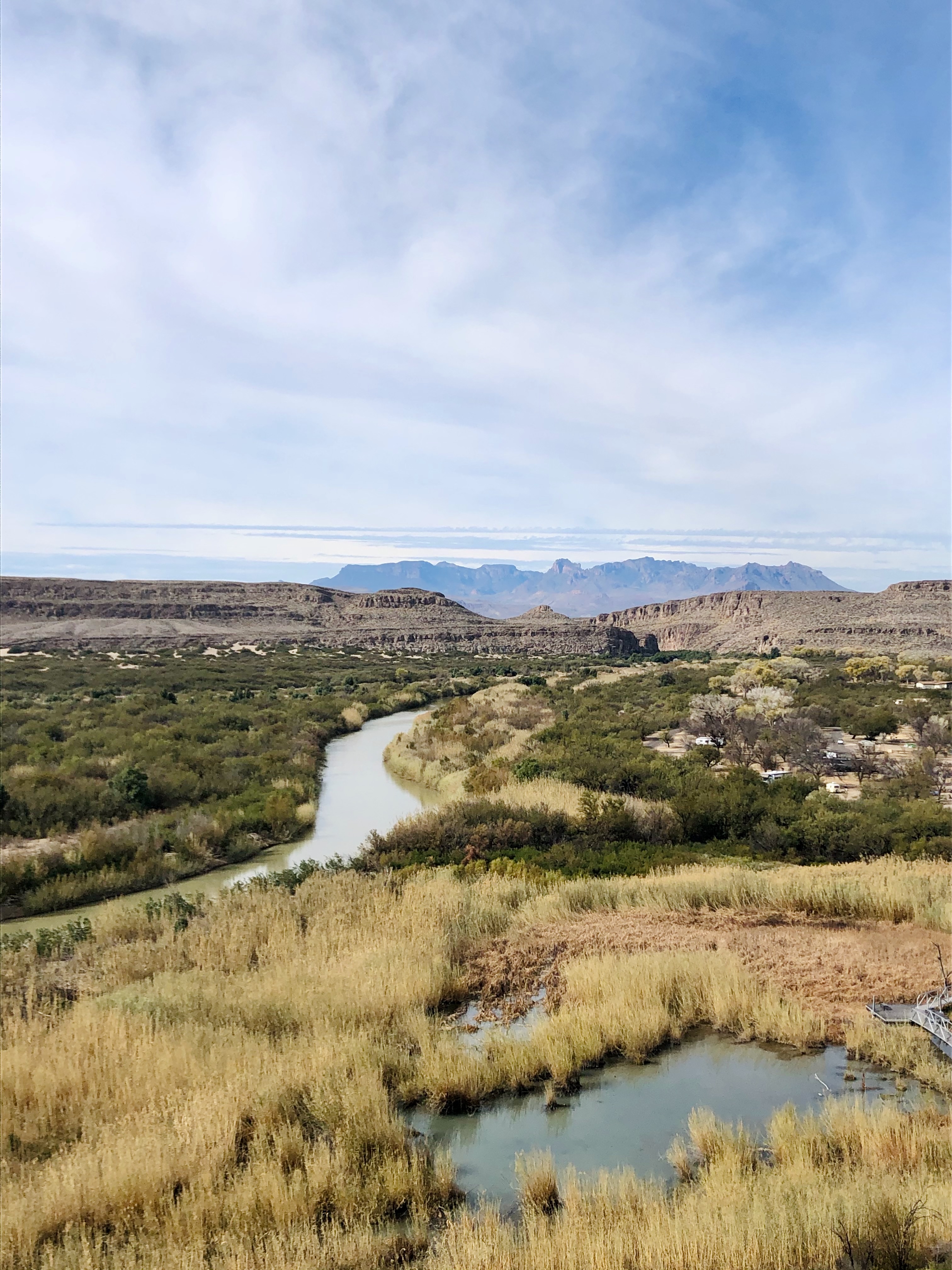
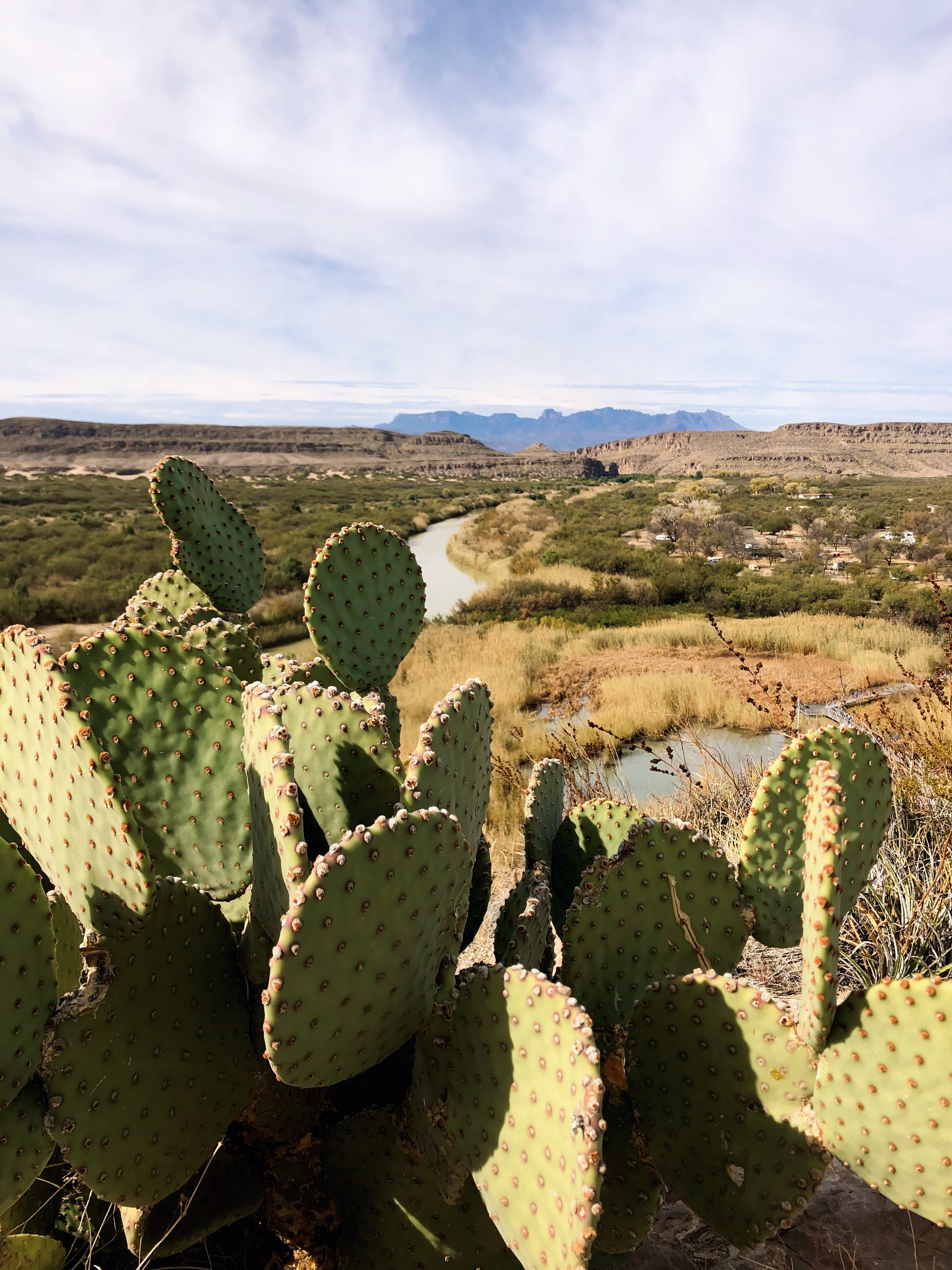
The Rio Grande river makes up the natural border between the USA and Mexico. A 0.75-mile loop trail leads to a viewpoint overlooking both countries.


Langford Hot Springs
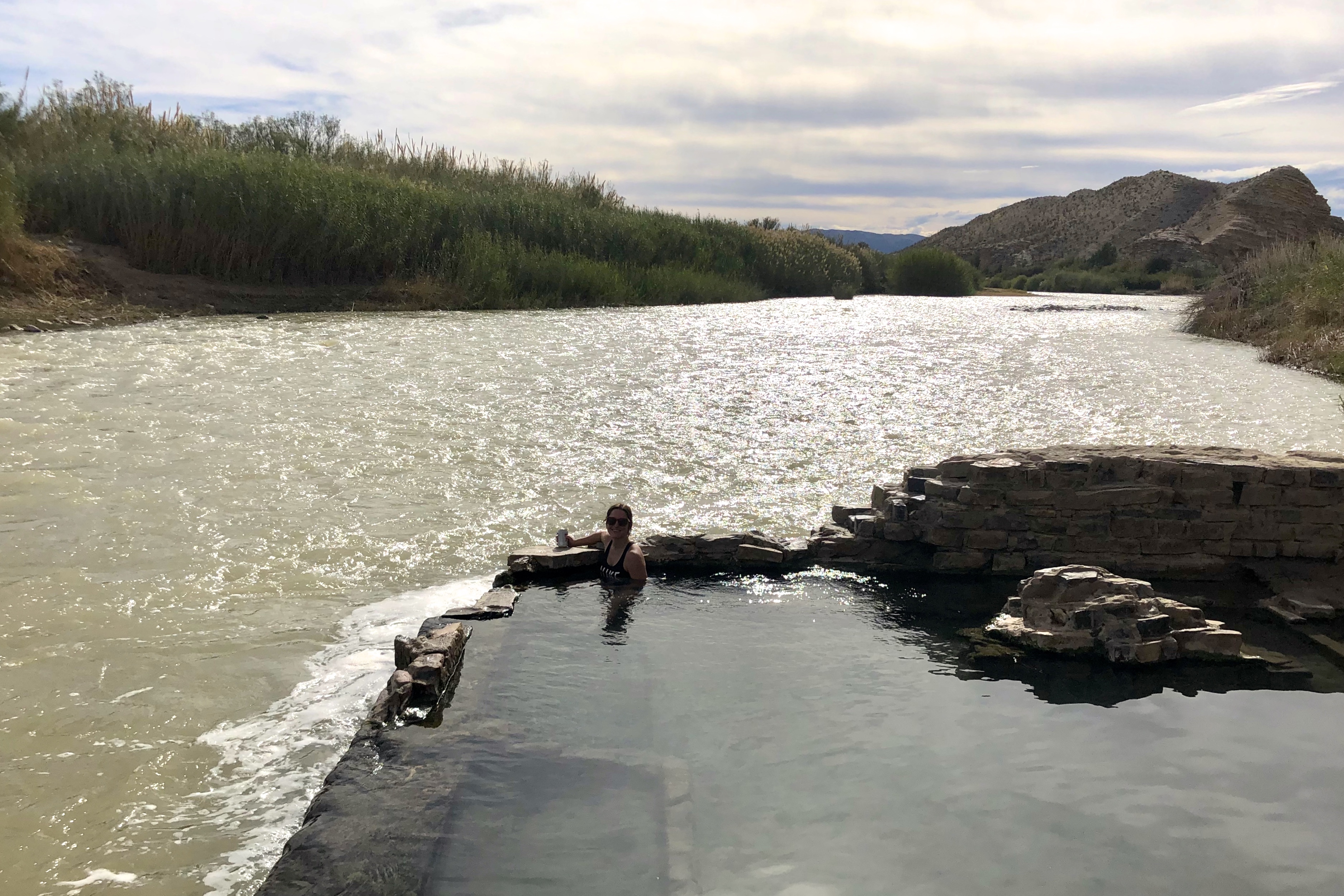
After a couple nights of camping and freezing shower bag washes, hot springs inside a national park sound like heaven. The Langford Hot Springs looked a bit muddy at first, but as the crowds disappeared so did the mud. When it gets too hot, you can switch over to the Rio Grande for a refreshing dip.
Related Posts

The Ultimate Texas Road Trip: From Houston to Big Bend
This 5-day road trip travels from Houston to Big Bend, with stops in Austin, Marfa, San Antonio and some ghost towns along the way.

Route 66 Road Trip: 10 Unique Stops from Texas to California
This iconic road trip covers 2,500 miles and 10 unique stops on and around Route 66 from Texas to California.
Guide to the Guadalupe Mountains: Weekend Camping Itinerary
Home to the four highest peaks in Texas, two national parks and cool summer nights, the Guadalupe Mountains promise a memorable off-the-beaten-path camping trip.
Colorado to Utah: 4-Day National Park Road Trip from Denver
Visit three stunning national parks in Colorado and Utah on this 4-day road trip itinerary that starts and ends in Denver.
Las Vegas Road Trip Itinerary: 4 Days In America’s Wild West
Discover some of the best of America’s Wild West on this 4-day road trip from Las Vegas to Arizona and Utah.
From Denver to Santa Fe: 4-Day Itinerary in Colorado & New Mexico
This 4-day road trip between Denver and Santa Fe comes with a packed itinerary of natural and man-made wonders.

 Klara the Explorer
Leave a reply to Passport Overused Cancel reply