
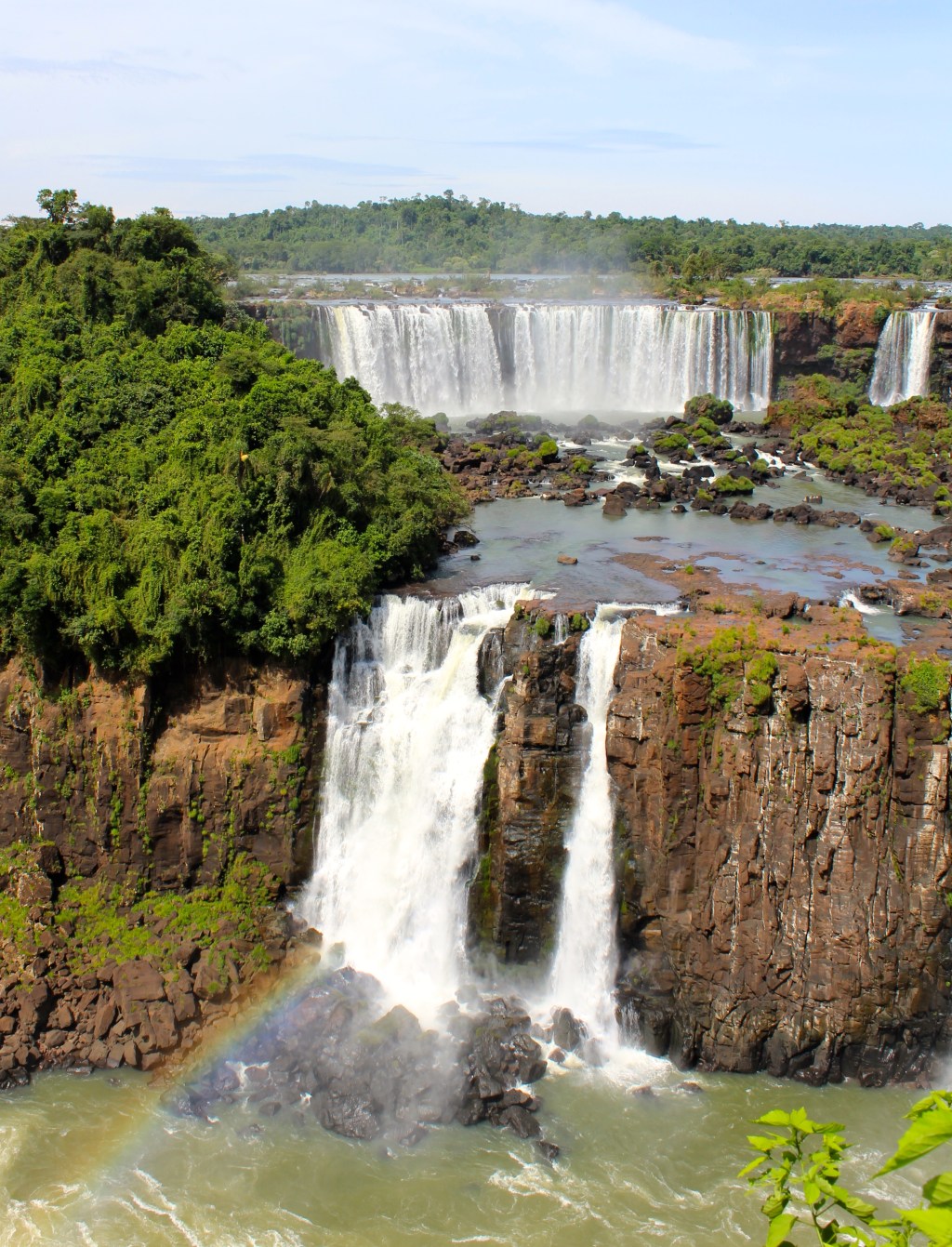
Iguazú National Park comprises over a hundred waterfalls on the border of Argentina and Brazil. The views from both countries are equally spectacular yet entirely different. This post covers our full day exploring Iguazú Falls from both countries and a visit to the nearby world heritage site of San Ignacio Miní.
Getting There
The majestic Iguazú Falls are located on the border of Argentina and Brazil. Both countries house an impressive national park that shows the waterfalls from a completely different angle. We flew from Argentina’s capital Buenos Aires to Puerto Iguazú, the gateway to the Argentinian side of the Iguazú Falls. Several carriers offer multiple flights per day on the route Buenos Aires – Puerto Iguazú.

We initially planned to visit the Brazilian side in the afternoon following our early morning flight, and spend a full day on the Argentinian side the next day. But our flight from Buenos Aires was delayed four hours, leaving us with just one full day to visit both sides of the national park. As soon as we arrived, we took a taxi to the tourist office in Puerto Iguazú. I arranged a private guide to take us to both sides of the falls the next day. A private driver is the most convenient way to visit both national parks within the same day, as they make the border crossing quick and easy.
Stay
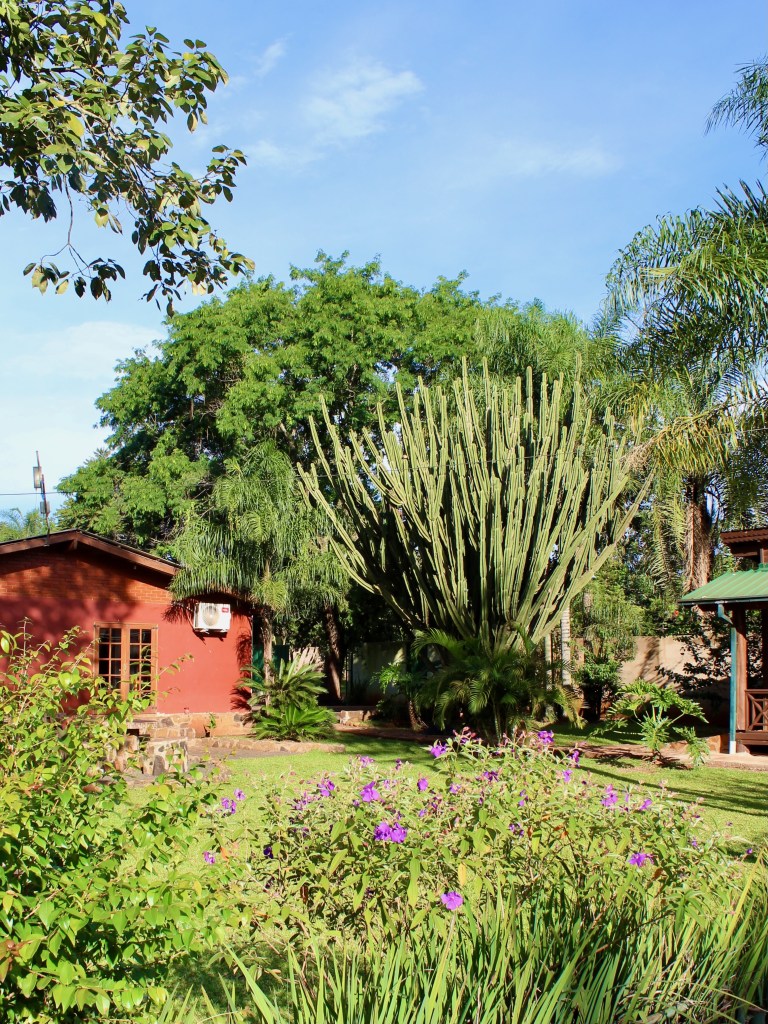
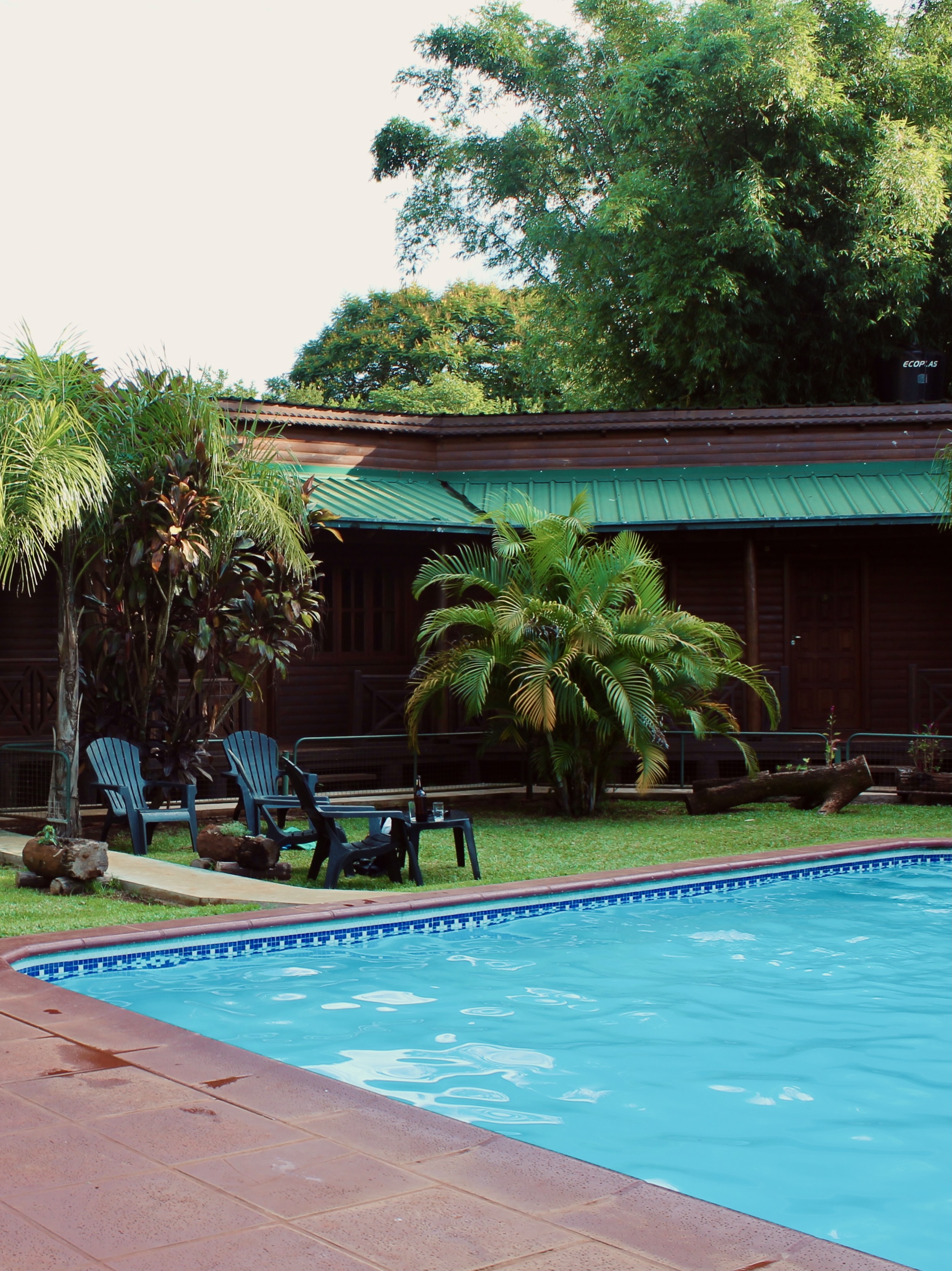
The province of Misiones is largely made up of lush rainforest. Hotels on the outskirts of Puerto Iguazú town offer a jungle oasis. The sweltering humidity in this corner of the country asks for a pool to cool off after exploring. We stayed at Hotel Posada 21 Oranges, a simple hotel made up of wooden cabins, beautiful grounds and a pool.


Full Day Itinerary in Argentina & Brazil
Morning: Parque Nacional do Iguaçu, Brazil
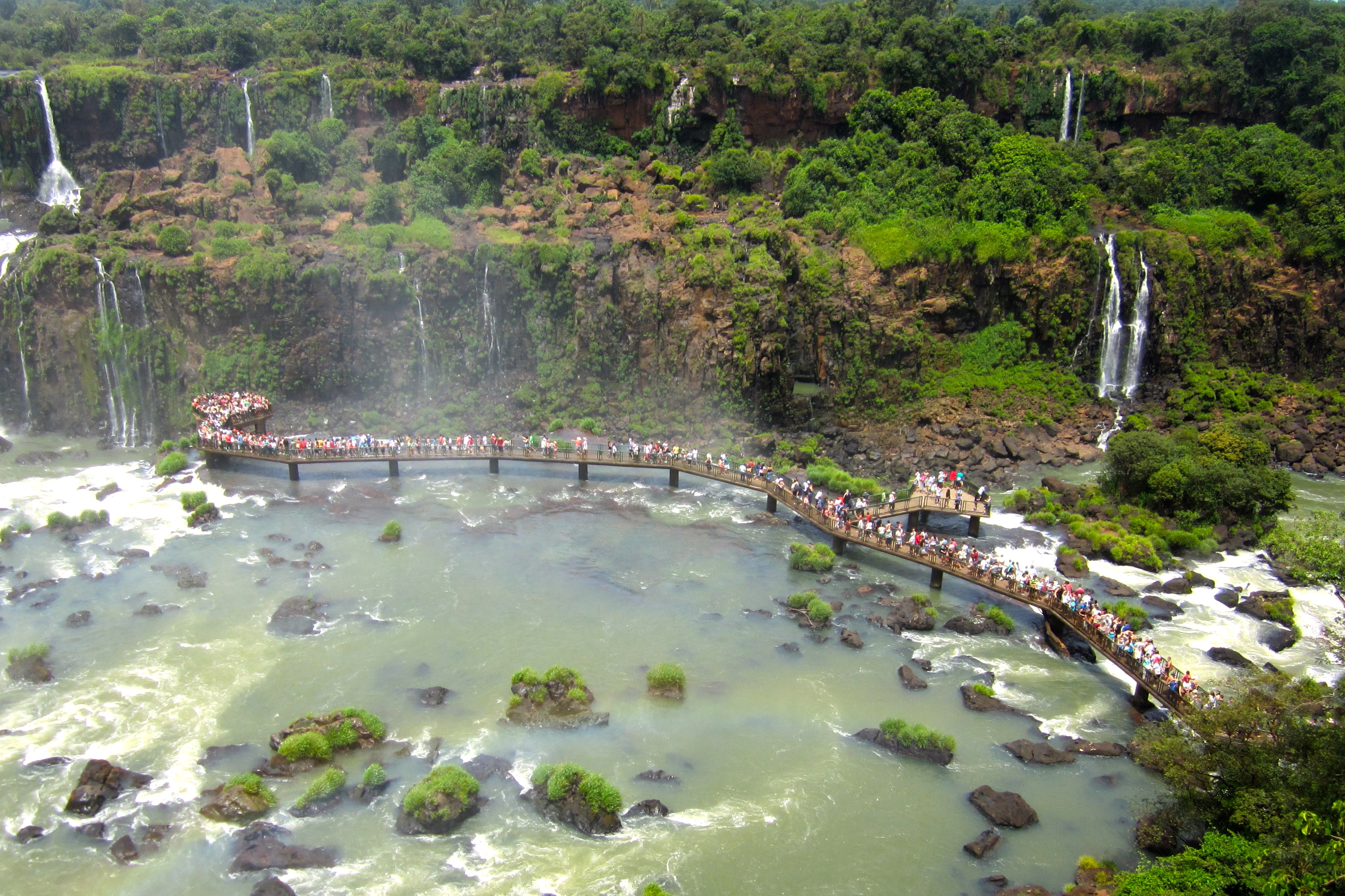
Our guide picked us up at the hotel in Argentina around 8 AM. It’s only a 30-minute drive from Puerto Iguazú to the Brazilian side of the park. Crossing the border from Argentina to Brazil was surprisingly quick, putting us at the park entrance right when it opened at 9 AM. Despite arriving early, there was already a long line to get in. From the entrance, a shuttle bus runs to the Path of the Falls, the only walking trail with waterfall views on the Brazilian side.
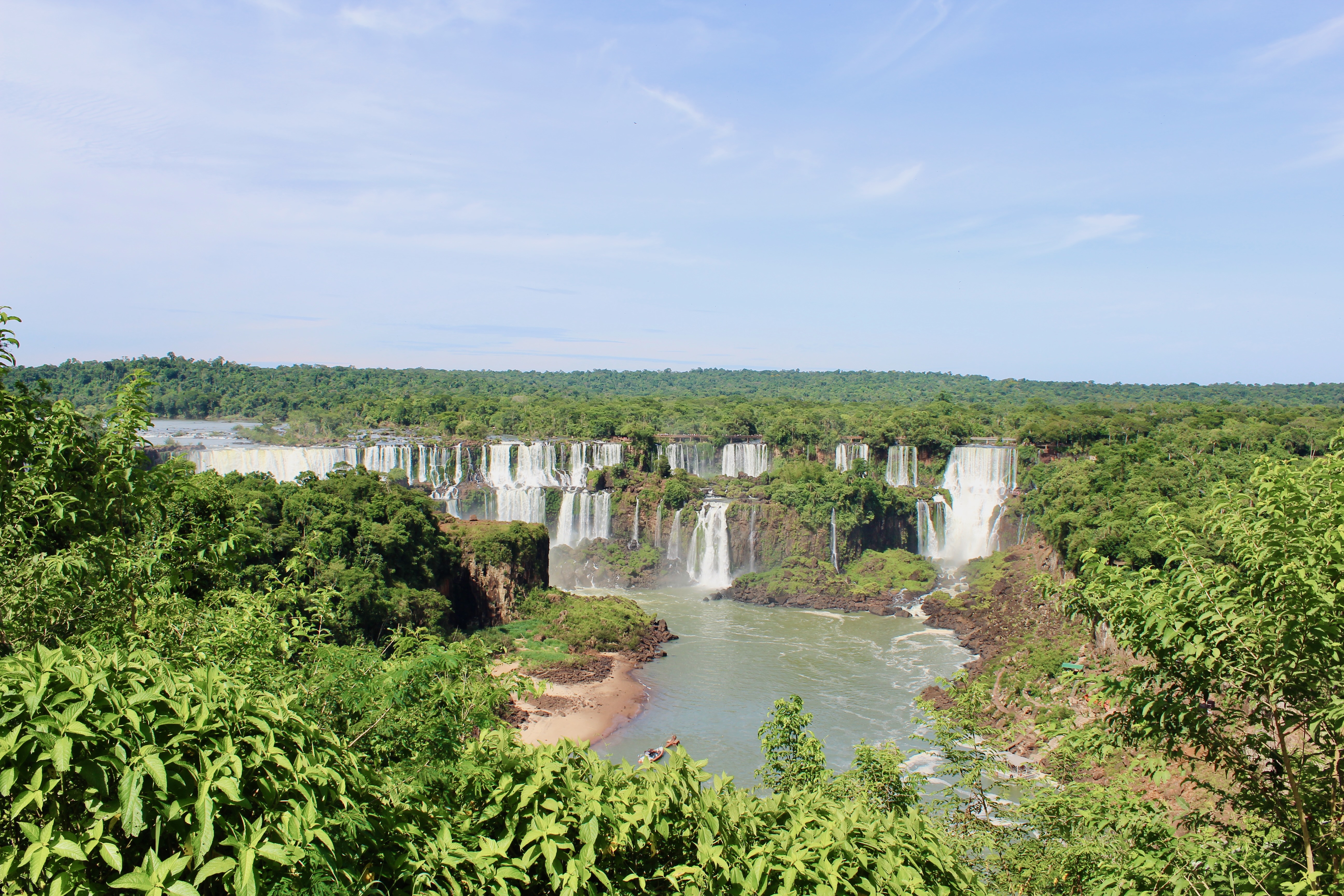
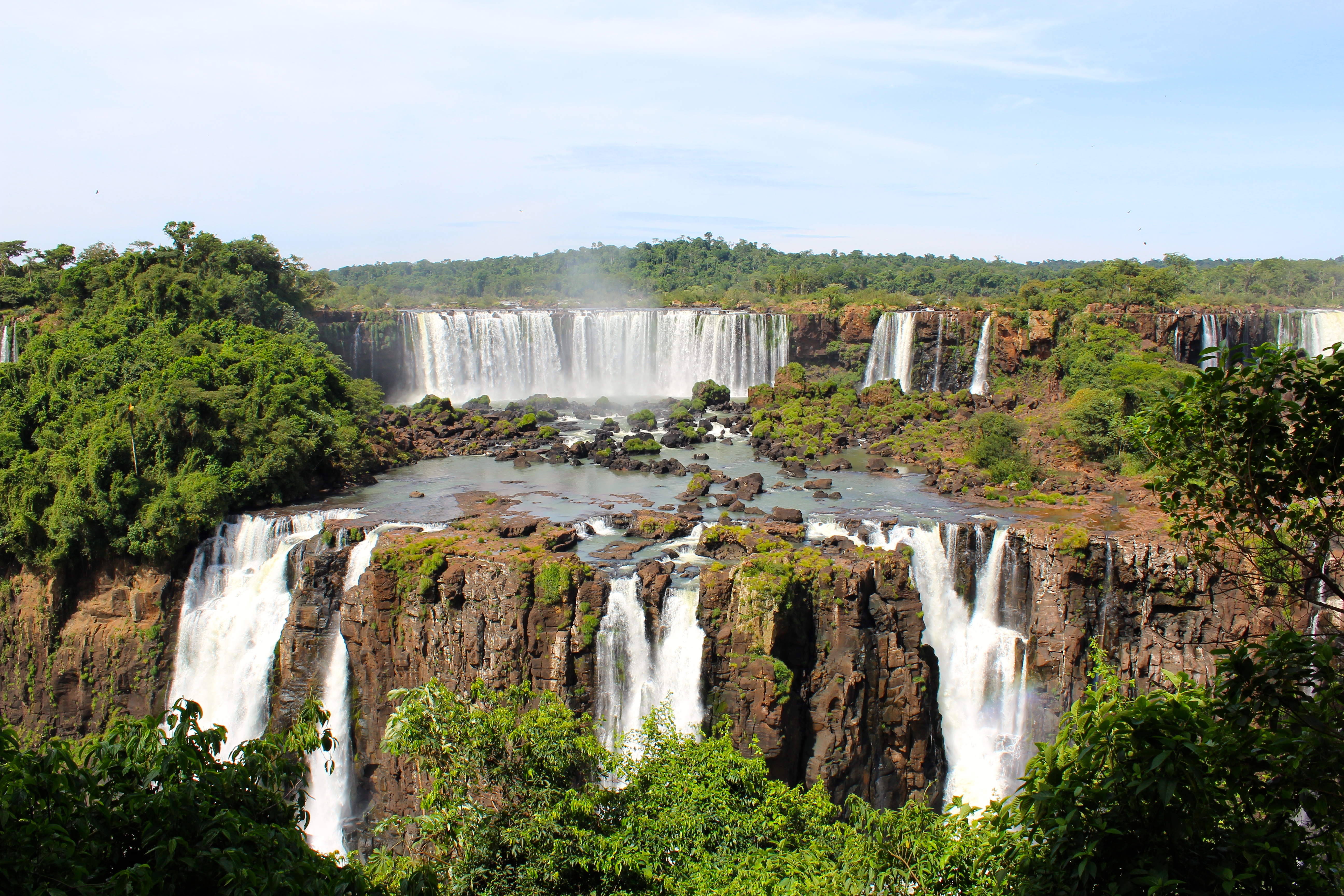
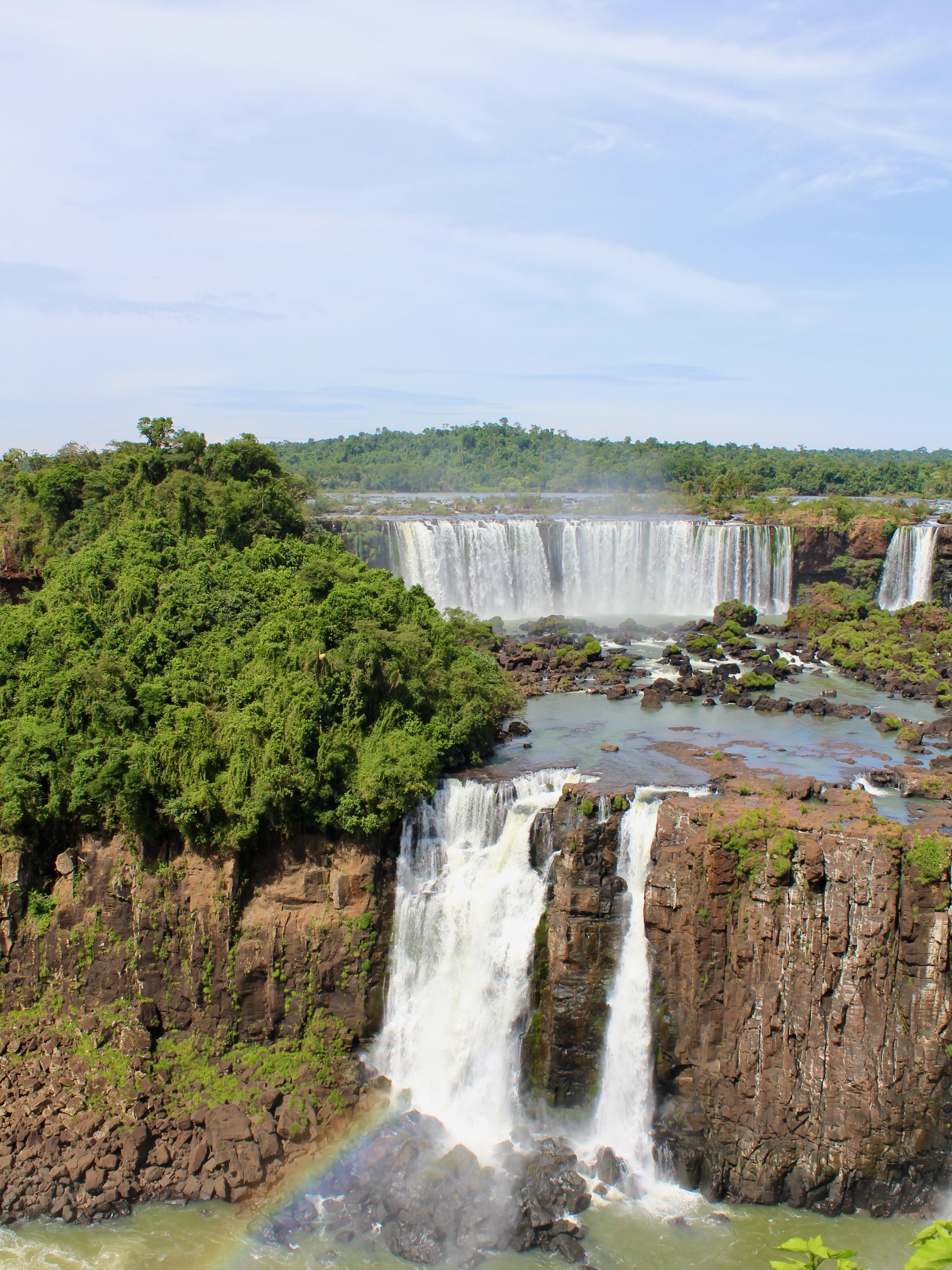

The one-mile trail leads to the main attraction of the park, passing many stunning viewpoints on the way. Because of the big crowds on the trail, it is more of shuffle than a hike. The Garganta del Diablo or Devil’s Throat is the headliner on both sides of the park, but the views from each country are a world apart.
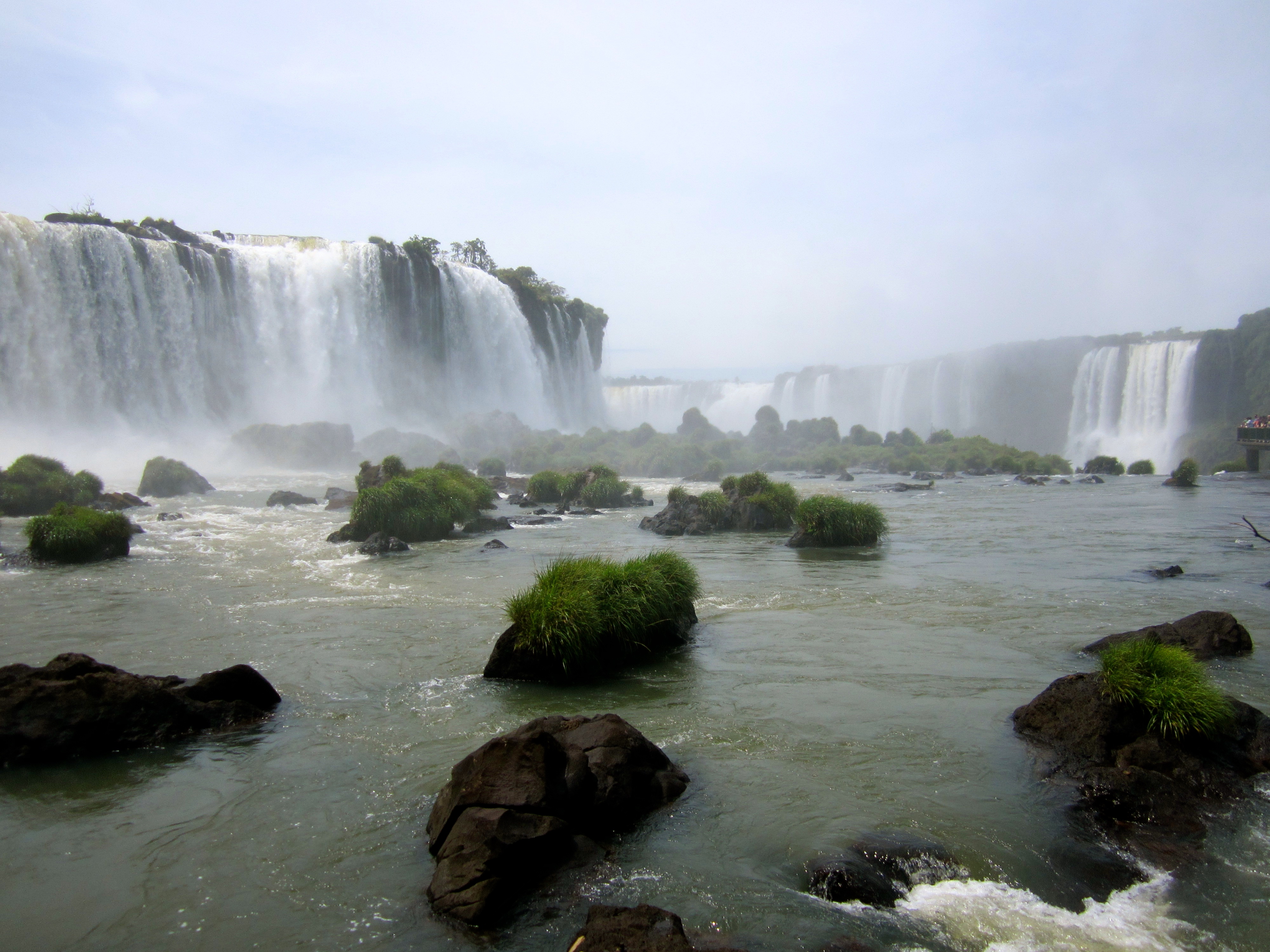
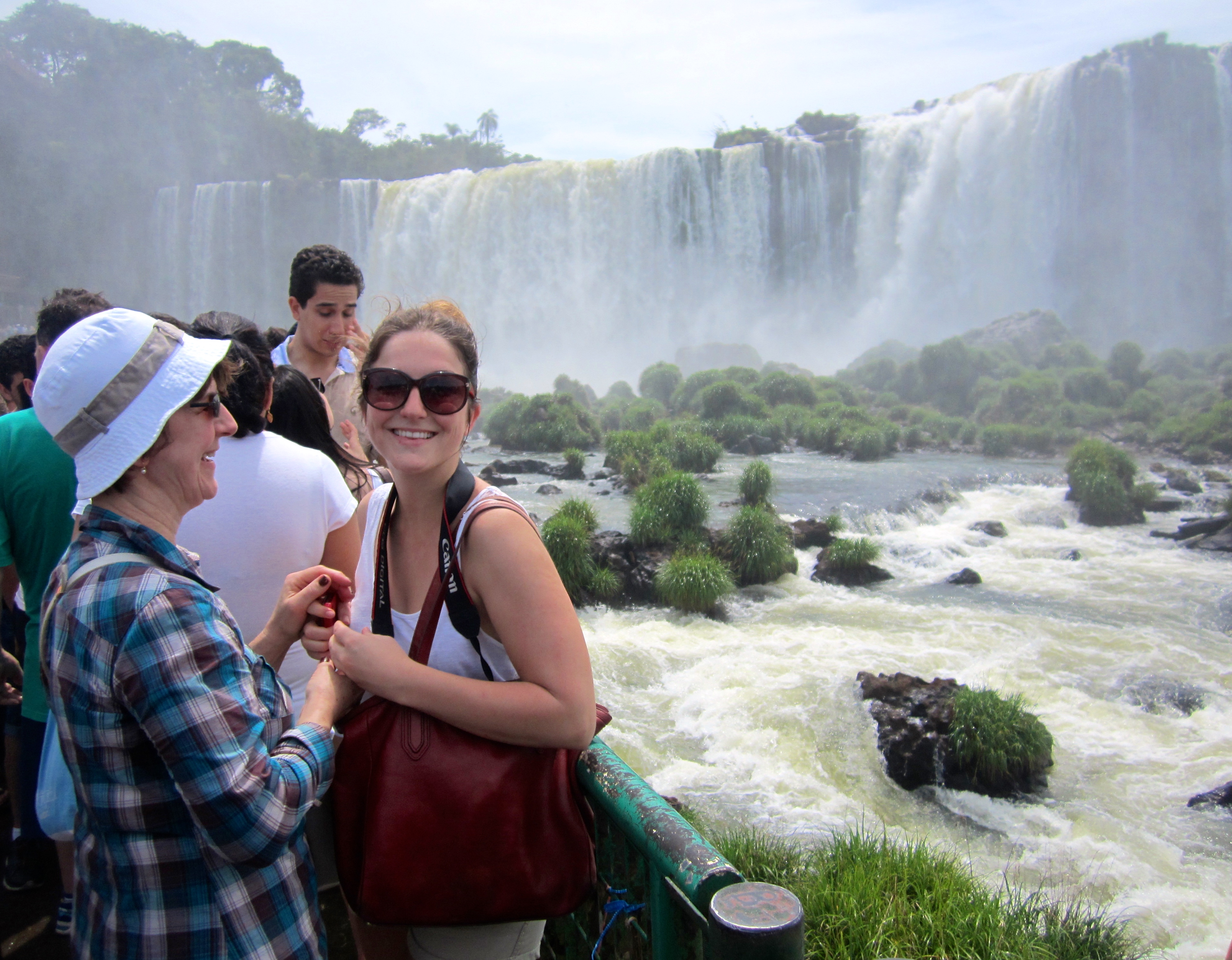
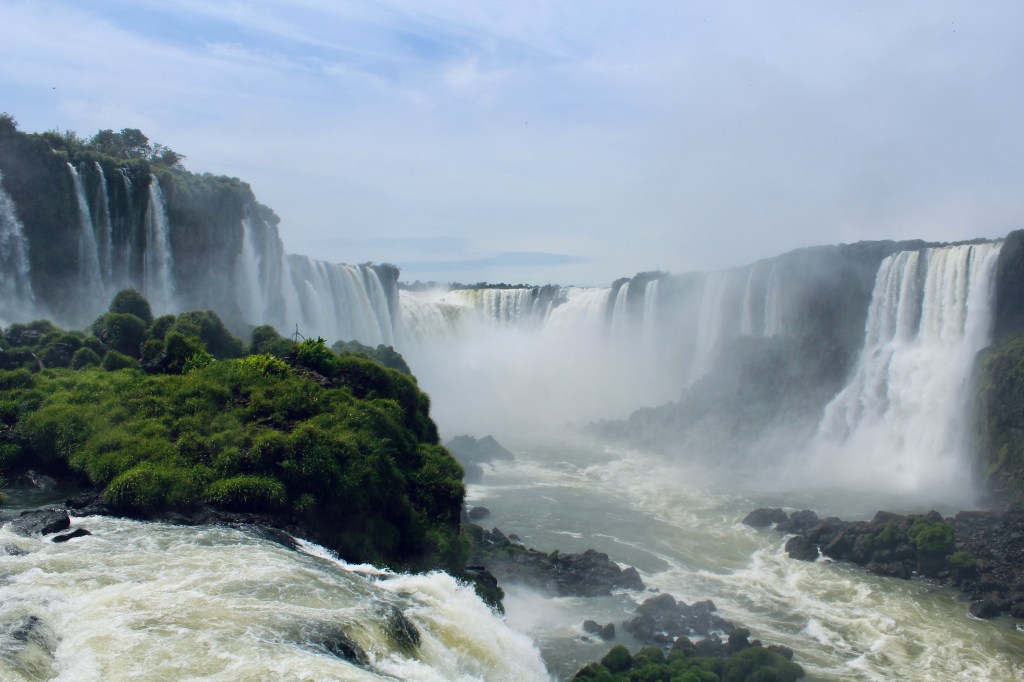
The Brazilian walkway puts you right in the middle of the action, enclosed by the raging falls. You can take an elevator to the top of the falls, offering impressive panoramic views. The elevator ride also marks the end of the Path of the Falls trail. We found ourselves back at the main entrance in less than three hours, showing just how compact the Brazilian national park is. Only 20% of the falls is located on the Brazilian side, while Argentina contains 80%.

Afternoon: Parque Nacional Iguazú, Argentina
On the way back from Brazil to Argentina, the lines at passport control seemed never-ending. Our guide somehow maneuvered the car past the long lines and got us at the park in Argentina in no time. To our pleasant surprise, there was no long line at the entrance. Since Foz do Iguaçu in Brazil is more developed than Puerto Iguazú, Brazil receives a larger share of visitors. Because the national park in Argentina is also much more extensive, you get to enjoy nature without the crowds. The Jungle Train runs from the entrance to the main trailheads, or you can opt to walk and spot wildlife along the short Green Trail instead.



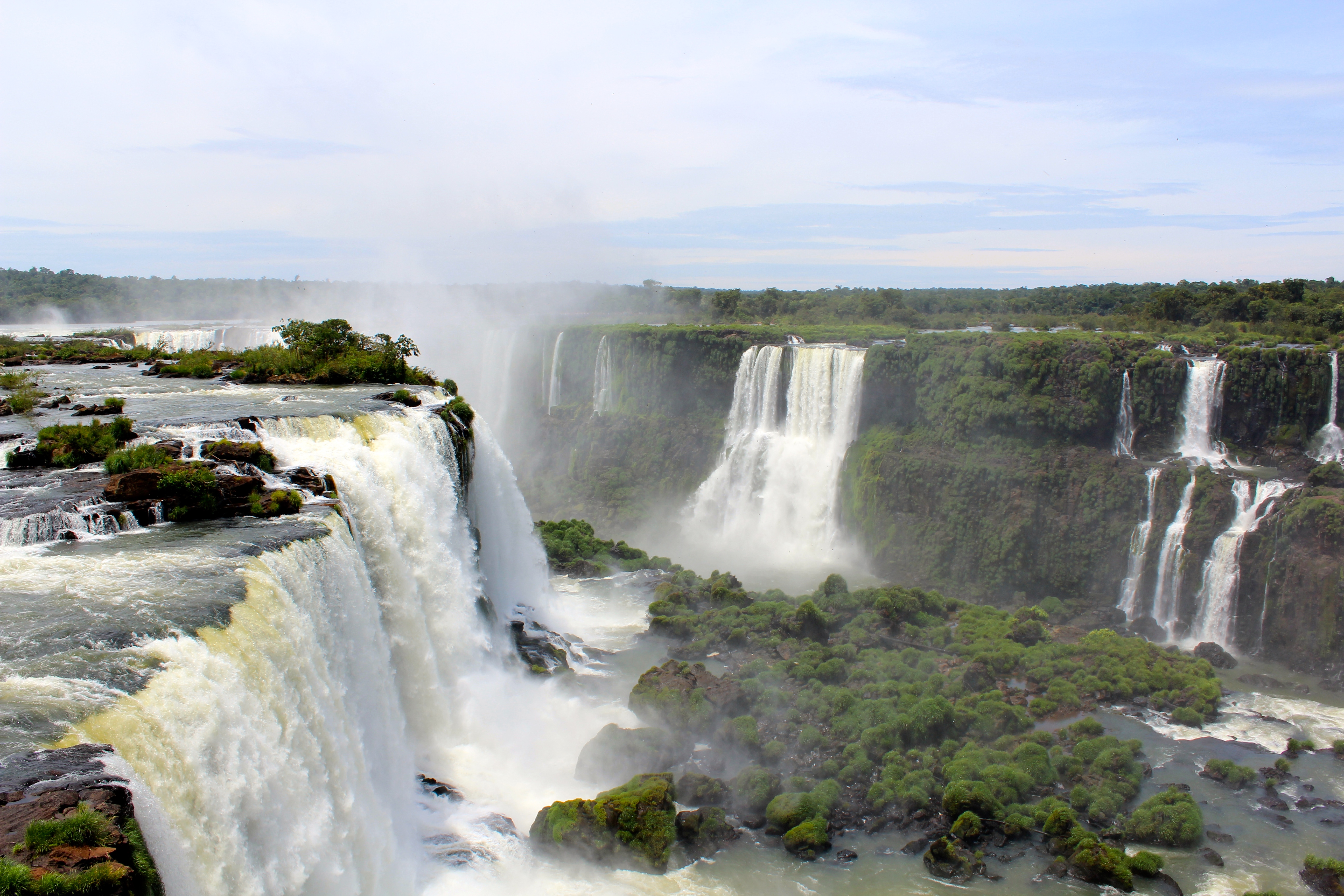
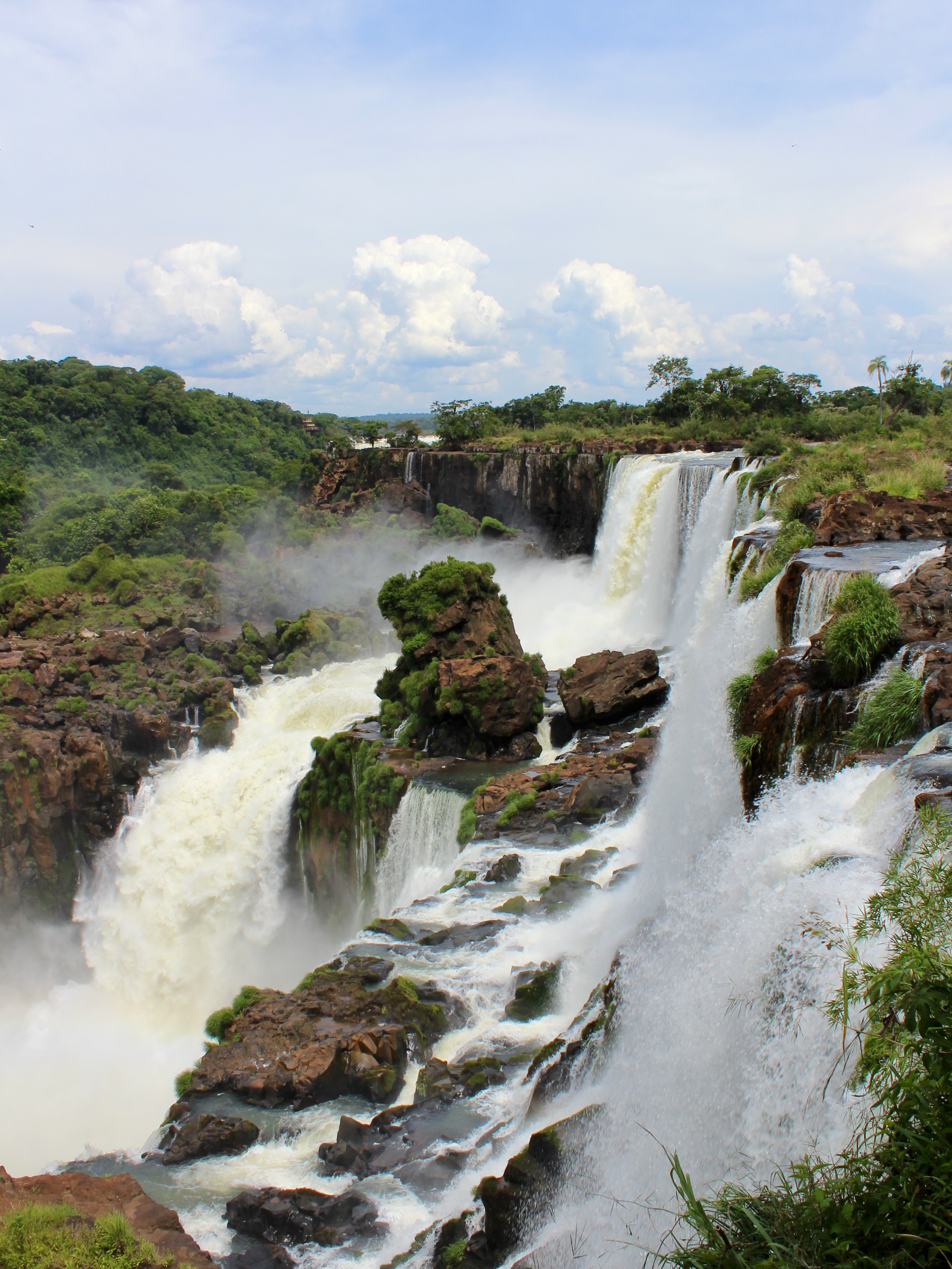
Argentina has three main waterfall trails: the Upper Trail, Lower Trail and the Devil’s Throat Trail. The Upper Trail brings you up-close with the waterfalls seen from a far on the Brazilian side. The impressive trail runs along the top of the waterfalls, right on the edge of where the water comes crashing down.

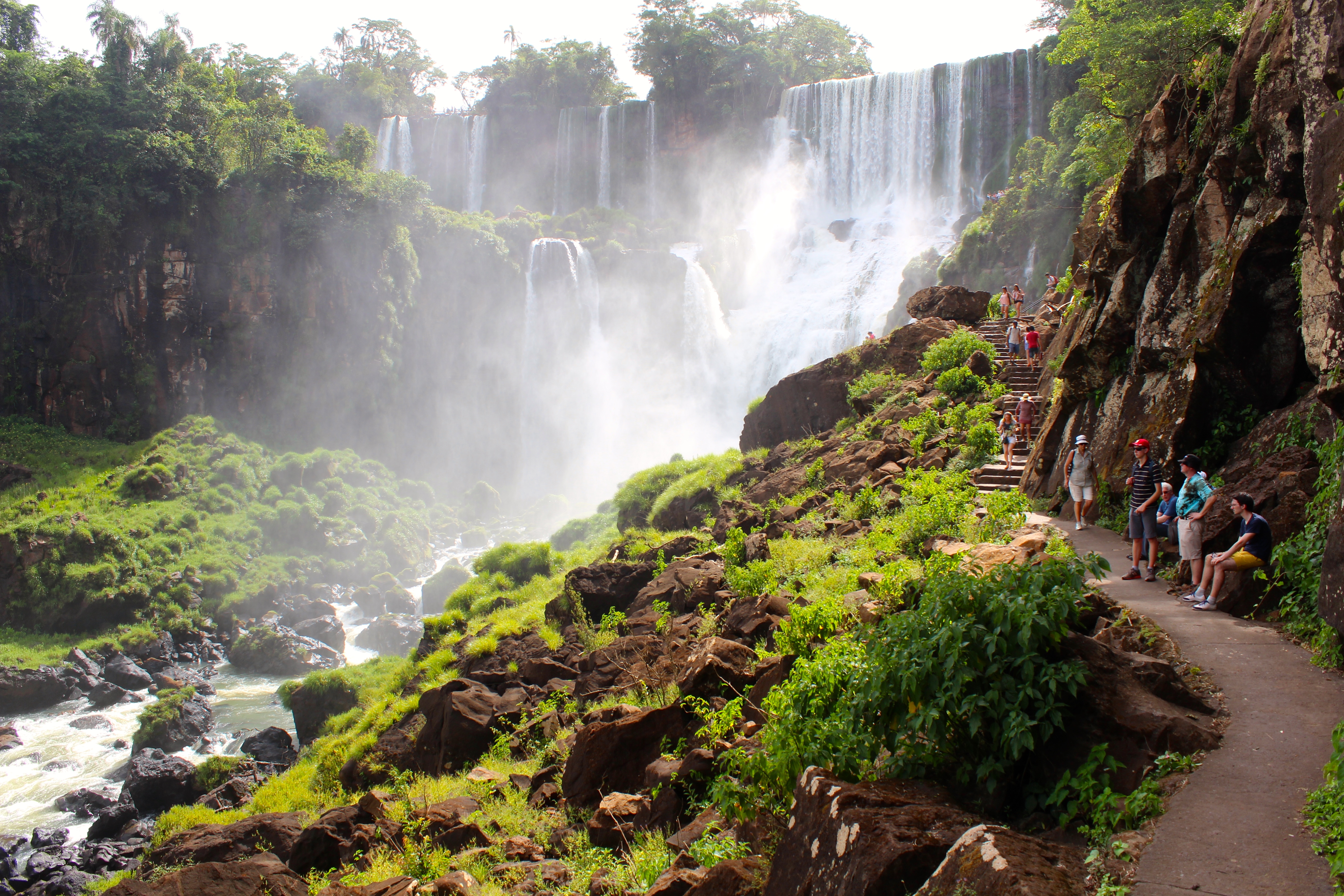
The Lower Trail goes down to the river level, offering amazing views of the series of waterfalls from below. From the Lower Trail, you can board the Boat Ride Under the Falls or Gran Aventura. On this exhilarating boat ride, you travel around San Martín Island and up close to the Garganta del Diablo to end up completely soaked.

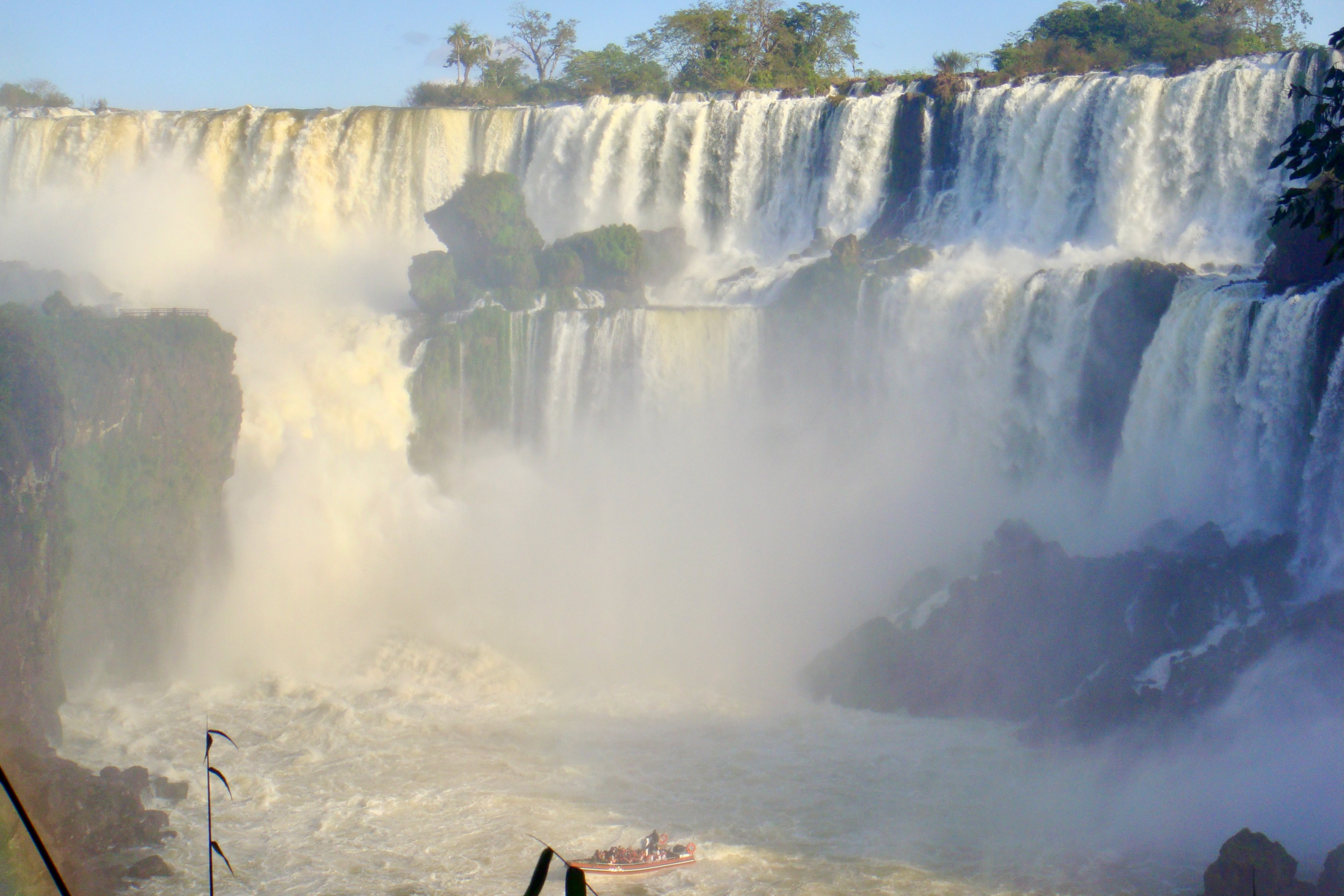
Just like Brazil, Argentina has a trail that leads to the Garganta del Diablo. The Devil’s Throat Trail runs at the same level on the other side, approaching the circle of waterfalls from above. The amount and power of the water that comes crashing down leaves you speechless and soaked. The trail can only be accessed by taking the Jungle Train. The Devil’s Throat Trail often gets closed down when the water level in the river is too high, causing the walkway to flood.

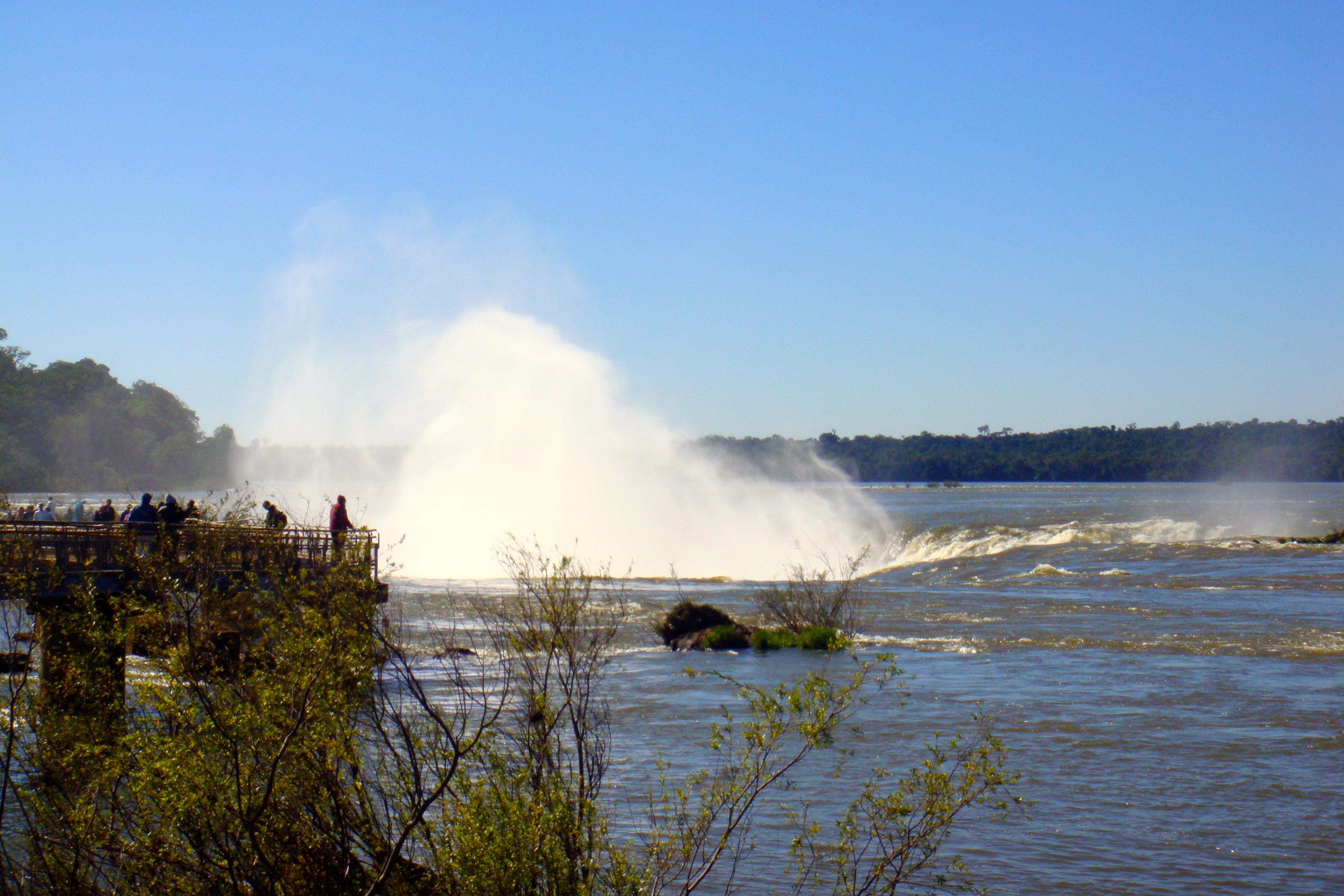
With only one afternoon in the park, you have time to comfortably walk two of the main trails, or walk one trail and take the boat ride. To explore the three trails and board the Gran Aventura, you need a full day starting right when the park opens. On this visit, we chose the walk the Upper and Lower Trails.
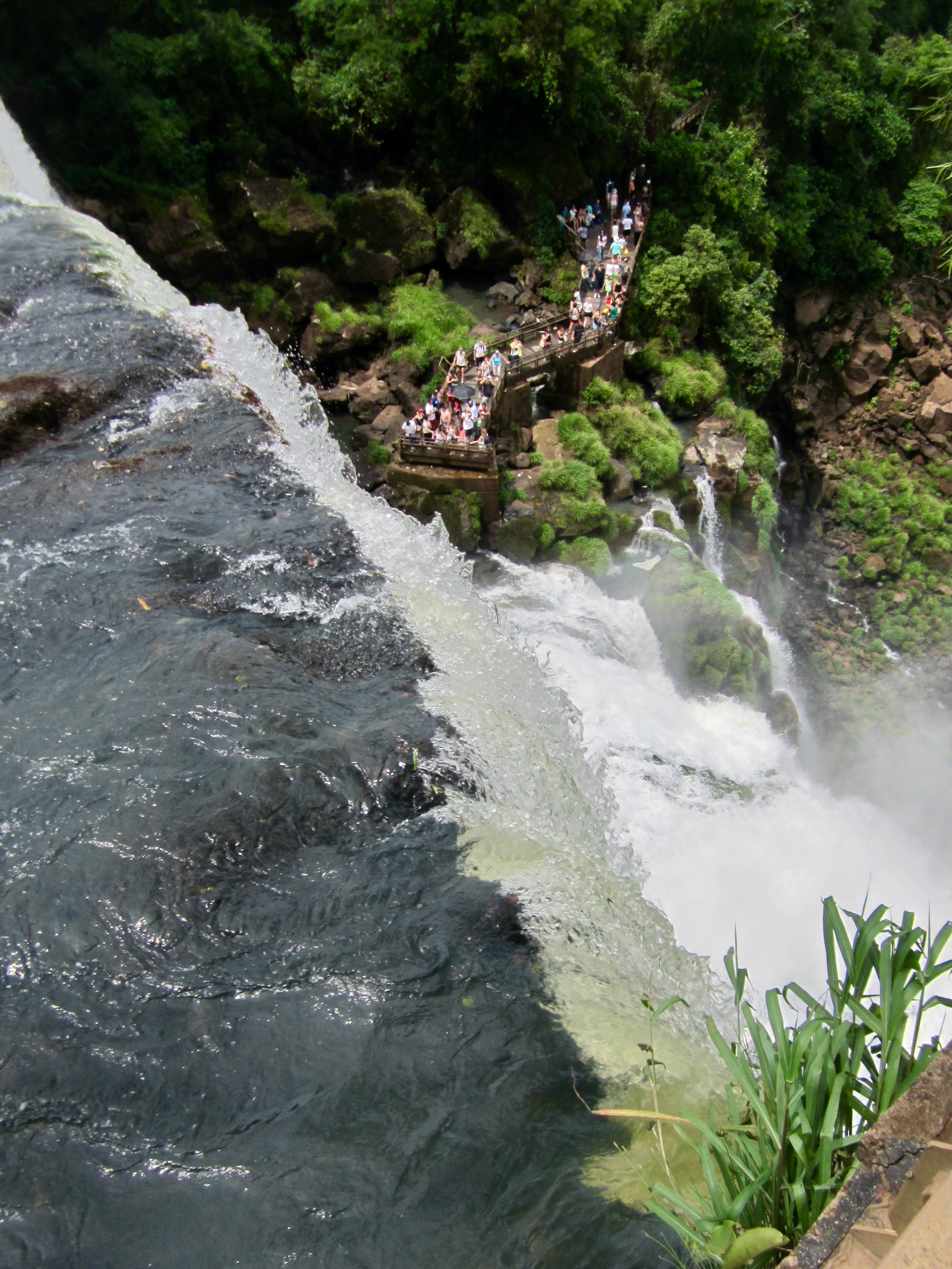
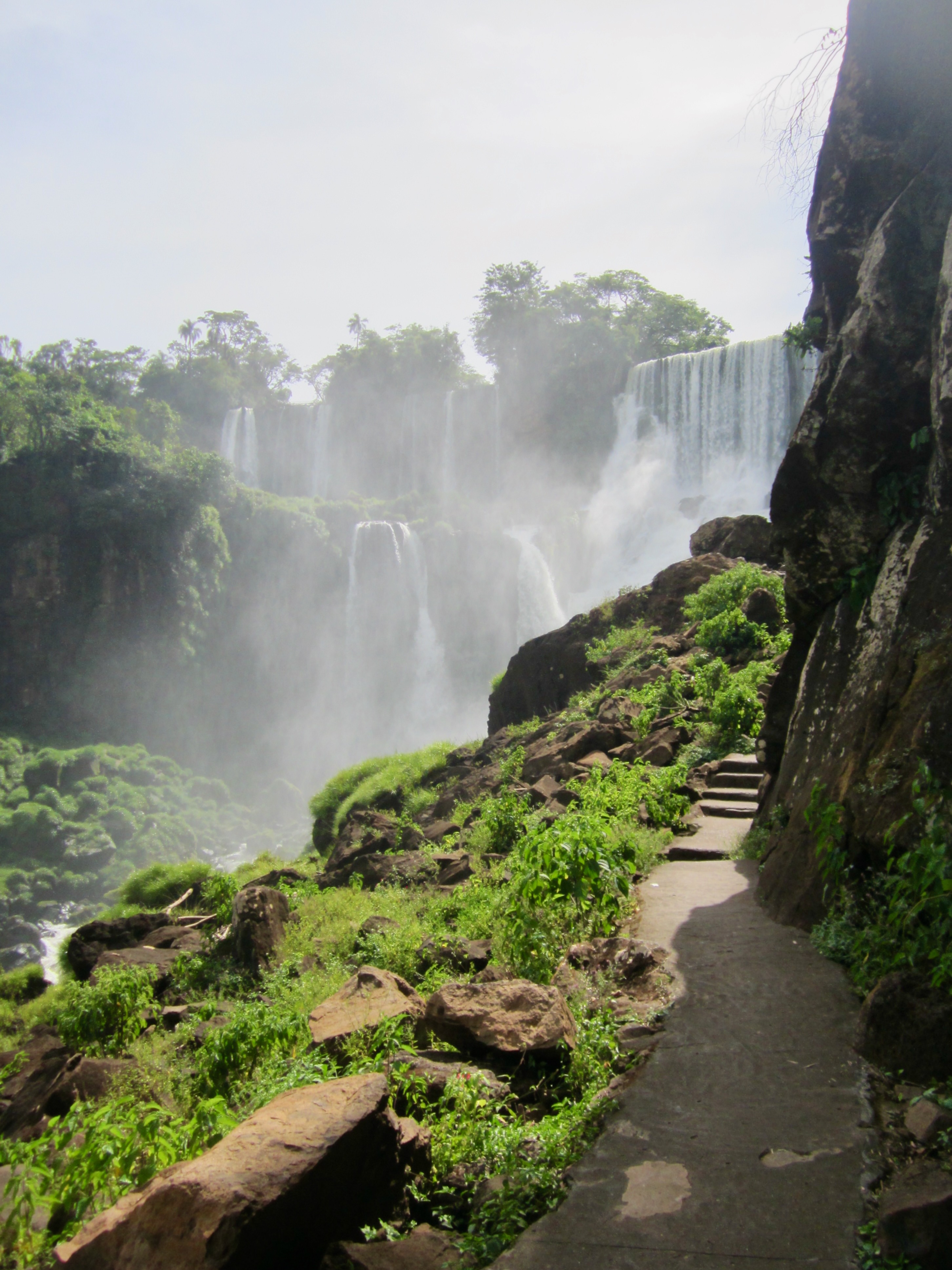
It was my third visit to the Argentinian falls, but the first time I made it to Brazil. If I could only visit one side, I would definitely pick Argentina. The park in Argentina is more diverse and spread out, with a completely different viewpoint around every corner. There are several trails that take you right through the jungle, surrounded by wildlife rather than people.
Ruins of San Ignacio Miní
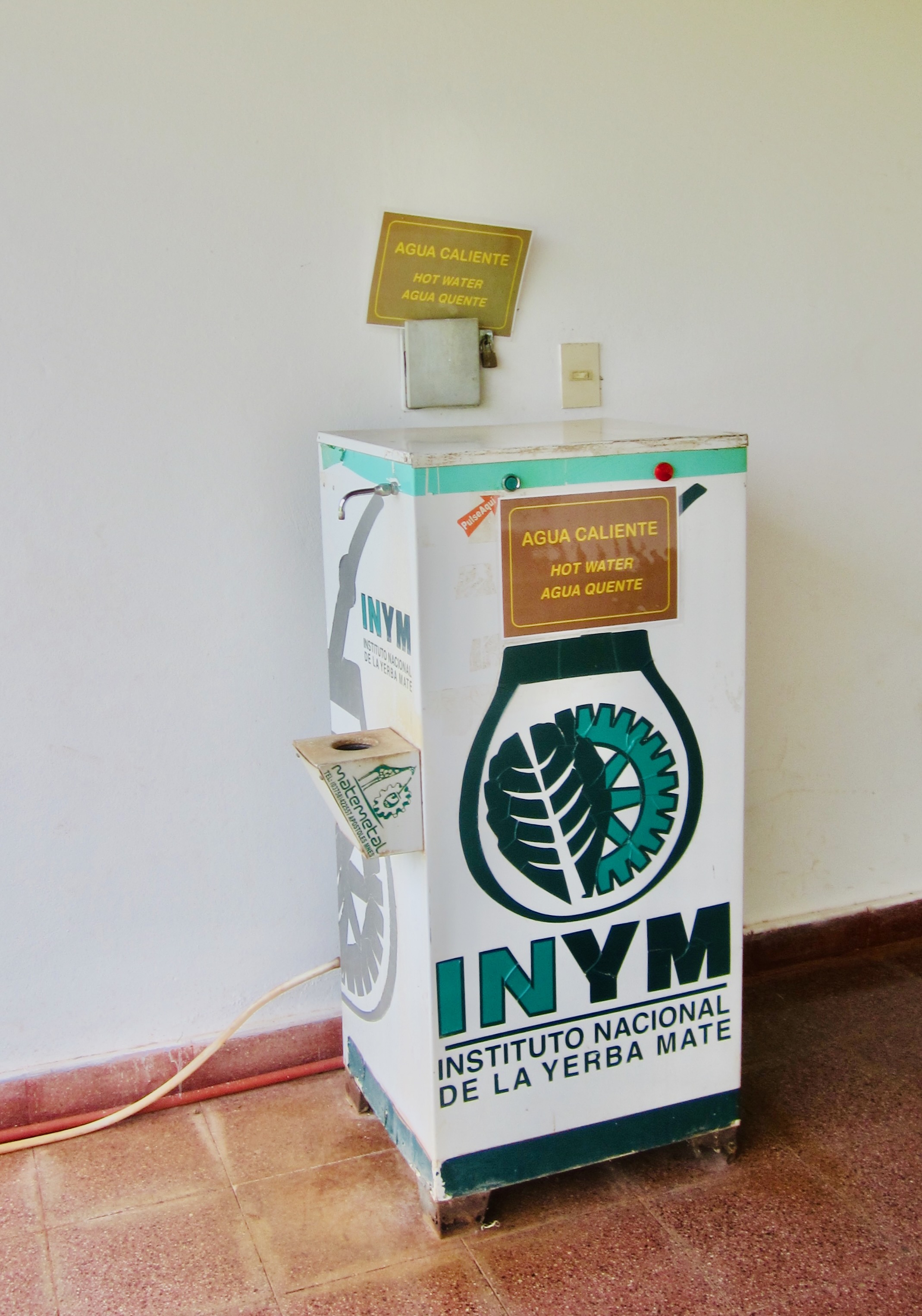
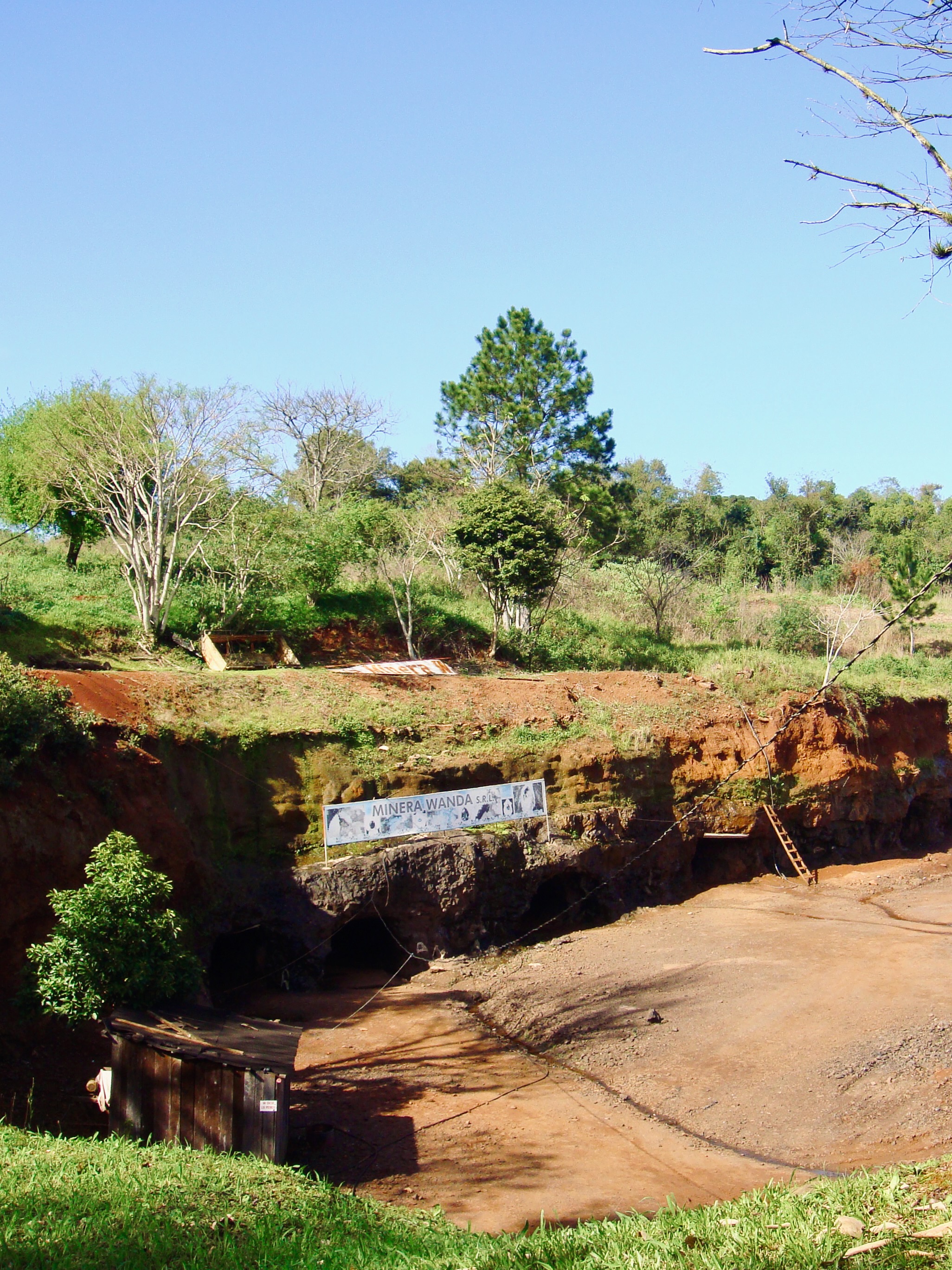
The well-preserved ruins of San Ignacio Miní are a UNESCO world heritage site, three hours south of Puerto Iguazú. Our private guide drove us to the town of San Ignacio, where we continued our trip by long-distance bus. There are many day trips leaving from Puerto Iguazú to the ruins, stopping at Wanda Mines on the way. The trip takes you through the red soils of Misiones, which cultivate Argentina’s signature drink. More than 85% of the country’s yerba mate is produced in Misiones.

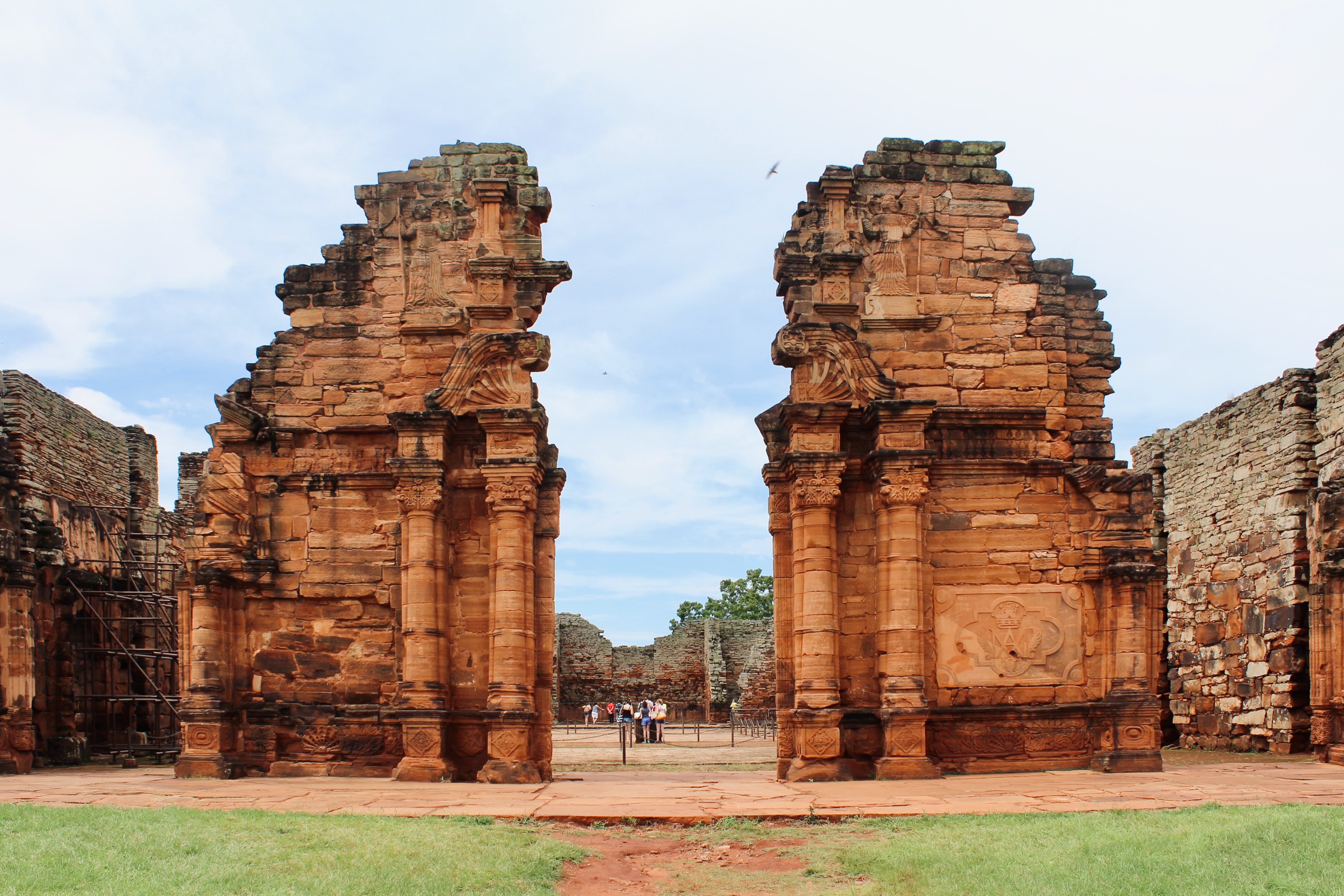
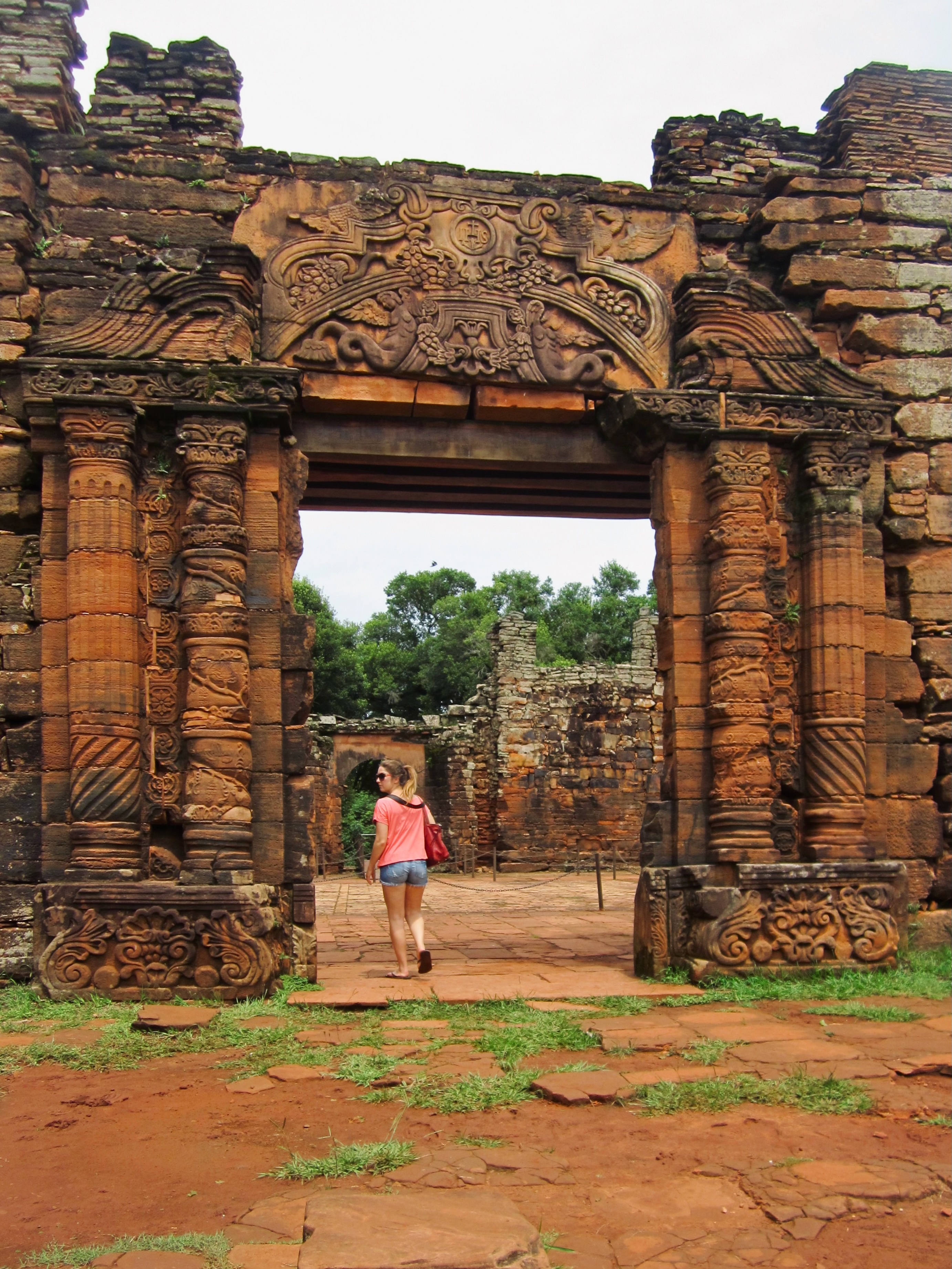
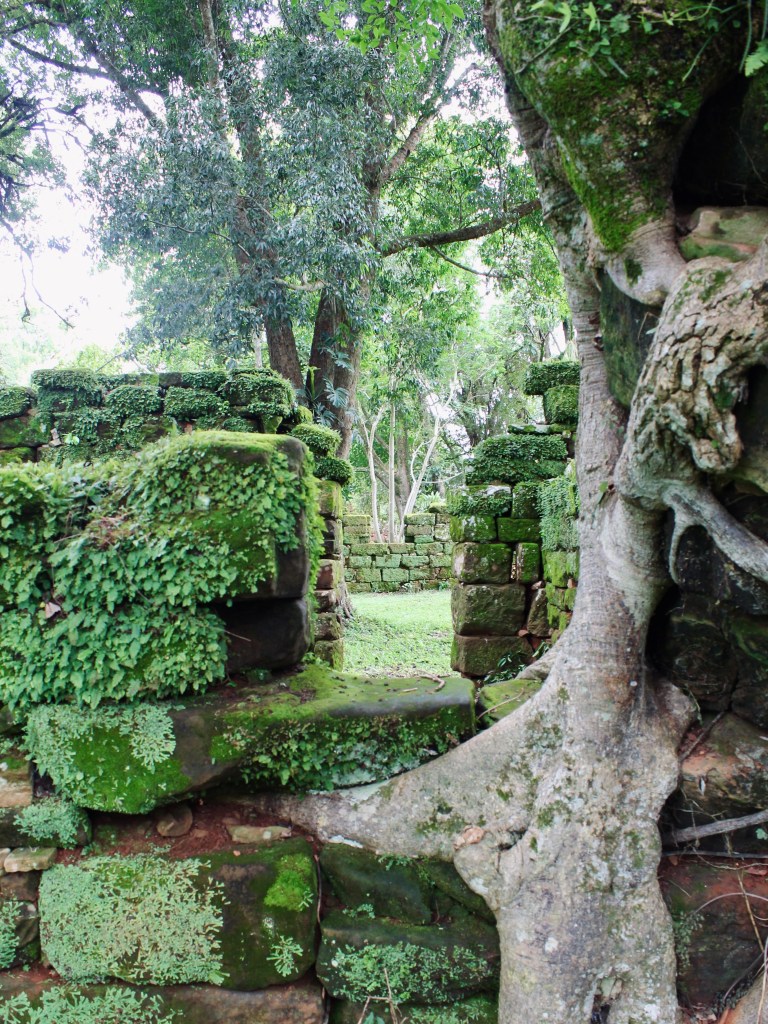
The ruins of San Ignacio Miní are the remains of a Jesuit Mission. Founded in the 17th century, the mission was established with the aim of converting the native Guaraní people to Catholic religion. What makes the site stand out is the beautiful red sandstone, creating a unique contrast with the rainforest that has since taken over.

Related Posts
A Complete Two-Week Road Trip Itinerary in Argentina
This two-week itinerary mixes highlights with off-the-beaten-path destinations, traveling from Buenos Aires to Iguazú Falls, through the stunning northwest and the Cuyo to end in Mendoza.
Road Trips in Argentina’s Northwest: 3 Spectacular Drives from Salta
The road is the destination on Ruta Nacional 52, Quebrada de Humahuaca and Quebrada de las Conchas, three spectacular drives in Argentina’s Northwest.

A Perfect 3-Day Itinerary in Mendoza, Argentina
This relaxed 3-day itinerary in Mendoza includes visits to 4 wineries, a stunning vineyard stay and an escape to the Andes mountains.
Chasing Dinosaurs & Dakar: Visit Valle de la Luna and Talampaya in Argentina
Travel to the Age of the Dinosaurs in Valle de la Luna and Talampaya National Park, two stunning parks located off-the-beaten-path in Argentina’s Cuyo.

The ABC of Argentina: 26 Reasons To Pack Your Bags
Argentina is where the exploring started for me. I spent a year living the everyday Argentinian life like a local. These are 26 amazing aspects of that (small town) life.


 Klara the Explorer
Leave a reply to tanjabrittonwriter Cancel reply